
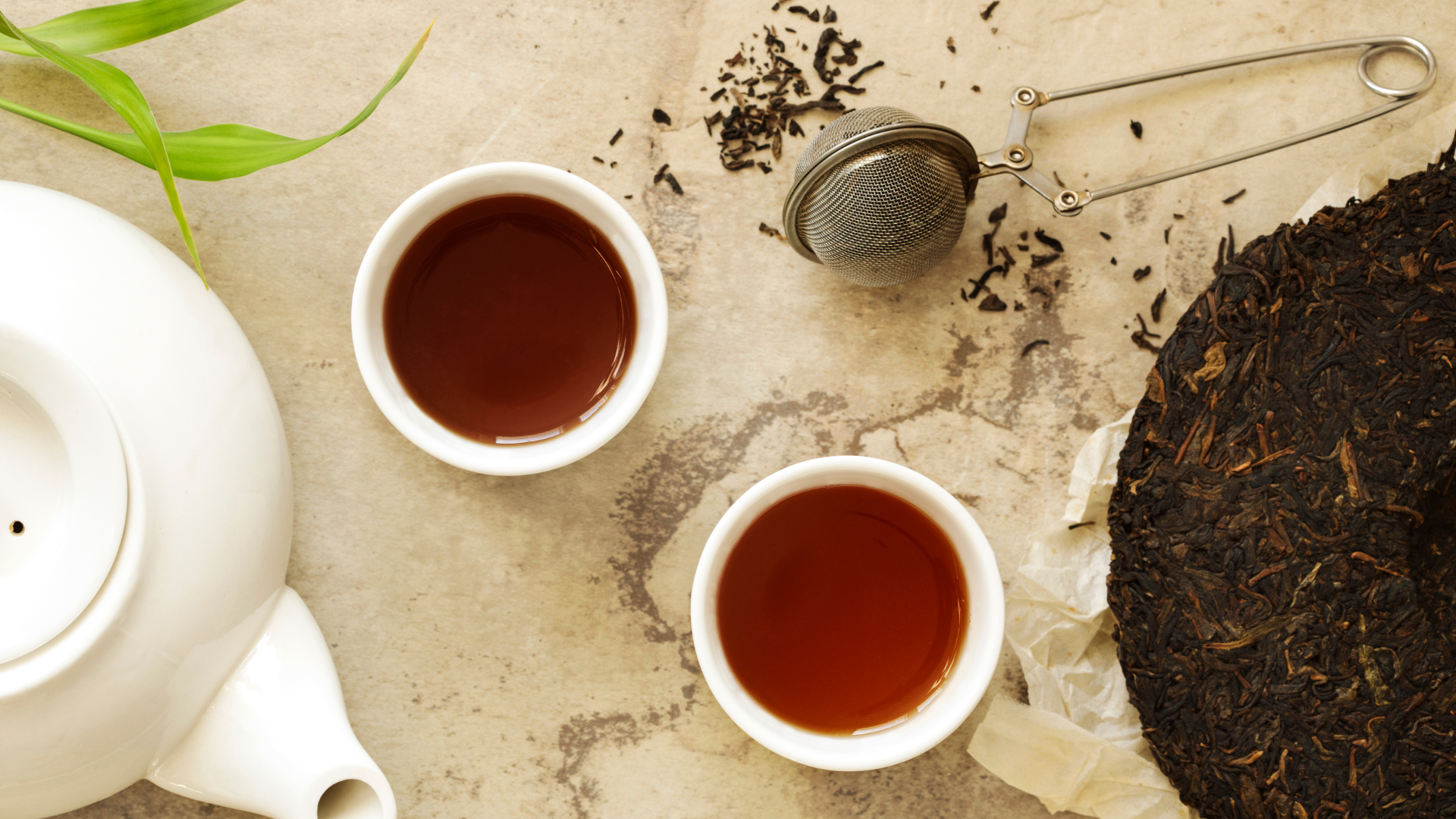
You’re planning the trip of a lifetime to China! You can’t wait to see the Great Wall, taste the incredible food, and of course, dive into the world where tea was born. Imagine bringing home a beautiful, authentic tea that lets you re-live your journey with every cup.
But wait—the world of Chinese tea can be a maze. Tourist traps are everywhere, ready to sell you pretty boxes filled with dusty, tasteless leaves.
Don’t worry! This guide isn’t for tea masters; it’s for you, the traveler. We’re going to uncover the 5 types of tea and buying situations you should definitely avoid, and then we’ll learn how to shop like a pro. Let’s make sure you bring home treasure, not trash.

1. The “Pretty Box” Tourist Trap Tea
What it looks like: You’re in a busy tourist market in Beijing or Shanghai. You see stalls filled with shiny tins and boxes decorated with dragons, pagodas, and elegant calligraphy. They look like the perfect gift!
Why it’s a trap: You are buying the box, not the tea. The tea inside is almost always the lowest quality available—stale, broken leaves, often called “dust.” It’s been sitting on that shelf for years. The companies that make this know that tourists care more about the souvenir than the flavor.
Your Smart Move: See these as empty decorations. Walk on by. Real, good-quality tea is rarely sold in such elaborate, pre-packaged boxes in the local markets.
2. The “Too-Good-To-Be-True” Aged Tea (Especially Pu-erh)
What it looks like: A vendor offers you a huge, round cake of tea, wrapped in paper. They claim it’s “20 years old” or “vintage Pu-erh,” but the price seems surprisingly low.
Why it’s a trap: Authentic, well-aged Pu-erh is a treasure. It’s stored carefully for decades, and its value grows over time, like a fine wine. A real 20-year-old cake can cost hundreds of dollars. The cheap “aged” Pu-erh is a major scam. It’s often made from bad leaves and then:
- Artificially Fermented: Using water and heat to make it look dark and aged quickly.
- Stored Poorly: Leading to a musty, unpleasant flavor.
- Just a Lie: It’s not old at all.
Your Smart Move: Unless you are a Pu-erh expert, avoid buying expensive, aged cakes from random market stalls. If you want to try Pu-erh, buy a small, fresh sample to taste first or go with a trusted guide.

3. The “Rainbow Tea” with Fake Scents and Colors
What it looks like:
- Super-Scented Jasmine Tea: The smell hits you from three feet away—it’s a strong, sweet, almost perfume-like scent of jasmine.
- Brightly Colored Tea: You see tea with unnatural blue, bright pink, or purple leaves.
Why it’s a trap:
- Jasmine Tea: Real, high-quality Jasmine tea is made by scenting green tea leaves with fresh jasmine flowers over many nights. It’s a subtle, natural aroma. The overpowering, chemical smell is a sign of artificial perfume sprayed onto low-grade tea.
- Colored Tea: Those vibrant blues and pinks are almost always from added food coloring. Not only is this misleading, but you also don’t know what kind of dye is being used.
Your Smart Move: Stick to teas that look and smell natural. The scent should be pleasant, not overwhelming.

4. The “Free” Tea Ceremony Scam
What it looks like: Friendly, English-speaking locals invite you to a “traditional Chinese tea ceremony” for free. You sit down, and they perform a beautiful ritual, telling you stories and making you feel special. Then, the bill comes. They pressure you to buy tiny amounts of tea for ridiculously high prices, making you feel guilty for their “free” service.
Why it’s a trap: This is a classic high-pressure sales tactic. The tea might be okay, but you are paying for the “show” and the guilt trip, not the quality. You could end up spending $100 on a few ounces of tea that are worth $10.
Your Smart Move: Be very wary of unsolicited invitations. A genuine tea shop will be happy to let you taste tea without a big performance, and there will be no pressure to buy.
Your Tea Detective’s Shopping Guide: How to Buy Smart
Now that you know what to avoid, here’s your positive plan for success!
1. Go to a Real Tea Market: Ask your hotel to direct you to a large, dedicated tea market (like Maliandao in Beijing or Fangcun in Guangzhou). These are wonderlands for tea lovers! You can walk from shop to shop, compare, and taste. The competition means better prices and quality.
2. The Golden Rule: TASTE FIRST! (喝茶 – Hē Chá) This is the most important word you can learn. Any reputable vendor will be proud to let you taste their tea. It’s the Chinese way!
- If a vendor refuses to let you taste the tea, thank them and walk away.
3. Be a Tea Scientist: Use Your Senses
- LOOK: The dry tea leaves should look whole and pretty, not like a pile of dust and broken pieces.
- SMELL: The scent should be natural and inviting. Avoid anything that smells musty, smoky (unless it’s a smoked tea like Lapsang Souchong), or like chemicals.
- TASTE: The brewed tea should have a flavor you enjoy! It might be a little bitter, but it should also have a sweet, pleasant aftertaste that stays in your mouth (this is called 回甘 – huí gān).
4. Buy What YOU Love: Don’t get tricked into buying the “most famous” or most expensive tea. If you taste a simple green tea that you love, that’s a win! Your taste buds are the best guide.
5. When in Doubt, Choose These Safe Bets:
- Tieguanyin Oolong: A famous, fragrant tea that’s often a crowd-pleaser. A good medium-priced one is usually a safe and delicious choice.
- In-Season Longjing (Dragon Well): If you’re in Hangzhou in the spring, fresh Longjing is a fantastic buy. It has a lovely, toasty, and fresh flavor.
Frequently Asked Questions (FAQ)
Q1: I’m still worried about fake tea. What’s the #1 sign of a scam? A: The biggest red flag is a vendor who won’t let you taste the tea. A good shop wants you to try it. If they are pushing a pre-packaged box without a tasting, it’s a trap.
Q2: Is it safe to drink the tea used in tastings? A: Generally, yes! The water is boiled, which kills most bacteria. Stick to reputable tea markets and shops, and you’ll be fine. It’s one of the safest food experiences you can have.
Q3: How much should I expect to pay for good tea? A: You don’t need to spend a fortune. A good 100-gram bag (enough for many cups) of a lovely daily tea can cost between 100-300 RMB ($15-$45 USD). The experience and quality are what matter, not an insanely high price tag.
Q4: What’s the best tea to bring back as a gift? A: Instead of a pre-packaged box, buy a beautiful, simple tea caddy (empty tin) from a market. Then, go to a tea shop, taste a few, and choose a tea you like. Have the vendor weigh it out and seal it in a vacuum-packed bag. Place that bag inside your beautiful caddy. This gift is personal, authentic, and much more thoughtful!
Q5: Can I bring tea back to my home country? A: In almost all cases, yes! Processed, dry tea leaves are almost always permitted. It’s a good idea to keep it in its original, sealed packaging from the shop. Always check your home country’s agricultural import rules for the most current information. Countries with strict quarantine rules maybe different (e.g. Australia)
Happy Tea Hunting!
Related Post: