
Hey there! Have you ever watched a movie where characters in ancient China sit down for a delicate cup of tea? It looks so calm and… meaningful, right? It’s not like grabbing a juice box from the fridge. There’s a whole hidden world in that teacup!
In China, tea is way more than a tasty drink. It’s a super-old tradition that’s all about respect, friendship, and making simple moments special. Think of it like a secret code of good manners. Knowing this code isn’t for grown-ups—it can make you feel super cool and confident, like you have a key to a magical world.
Ready to become a tea explorer? Let’s go!
First Stop: The Tea Team! Meet the 6 Main Types
Before we learn the rules, let’s meet the players! There are hundreds of teas, but most belong to one of six big families. Think of them like different teams in a sport.
- Green Tea (绿茶 – lǜ chá): The fresh and healthy one! The leaves are dried quickly to keep their green color and a light, sometimes “grassy” taste. It’s like the superfood of the tea world.
- White Tea (白茶 – bái chá): The delicate and fancy one. Made from the youngest, newest buds of the tea plant. It has a very gentle, sweet flavor and is often a bit more expensive.
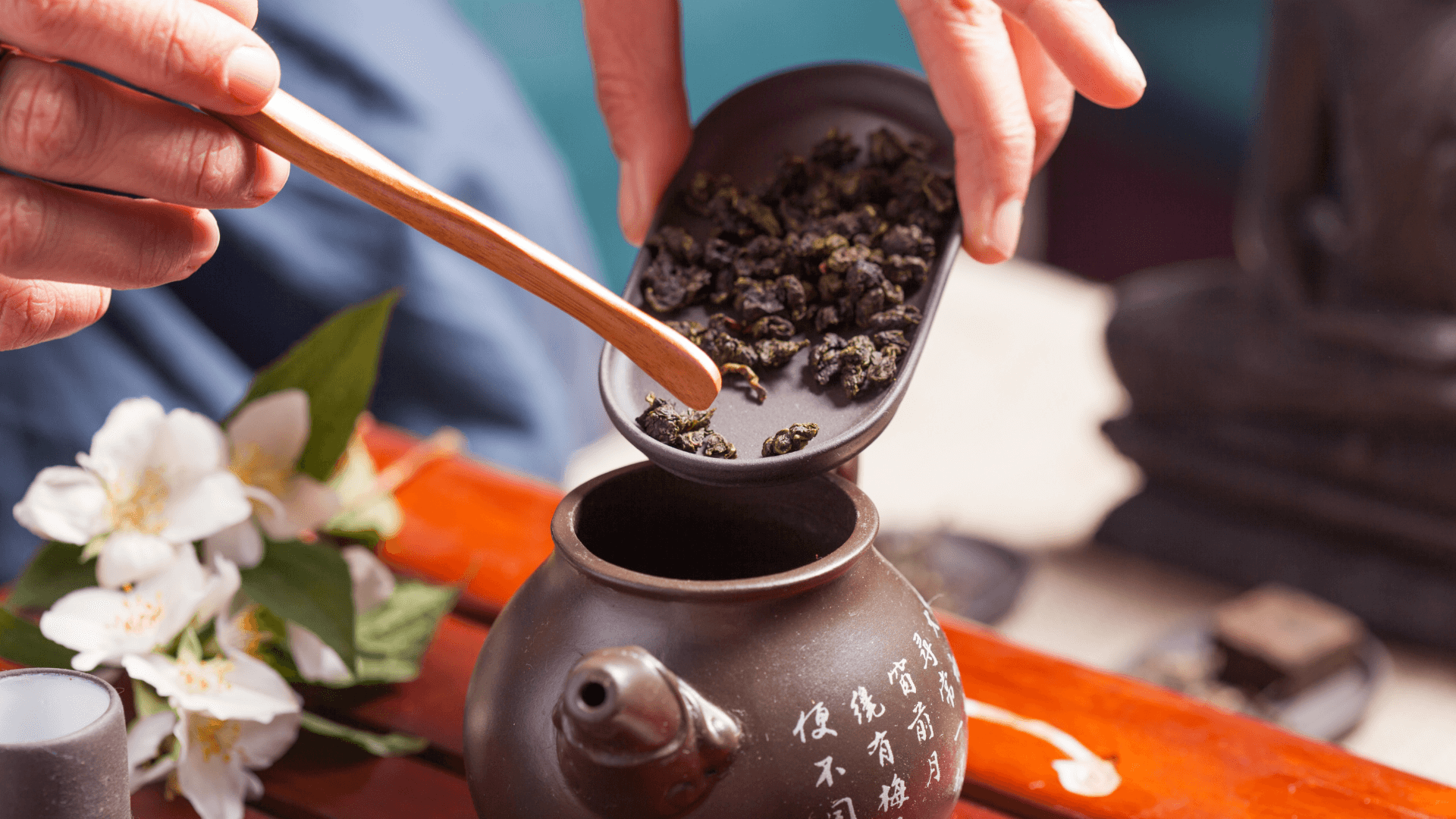
- Oolong Tea (乌龙茶 – wū lóng chá): The in-between wizard! Oolong is partly oxidized (a natural process that changes the leaves), so its flavor can be anywhere from light and floral to rich and toasty. It’s full of surprises!
- Red Tea (红茶 – hóng chá): What we in the US call “Black Tea.” It’s fully oxidized, giving it a deep red color and a strong, robust flavor that’s great with a little sugar or milk.
- Pu’er Tea (普洱茶 – pǔ ěr chá): The ancient treasure. This tea is fermented and can be aged for years, even decades, like a fine wine! Its flavor gets deeper and smoother over time.
- Yellow Tea (黄茶 – huáng chá): The rare and mysterious one. It’s similar to green tea but goes through a special, slow-drying process that gives it a mellow, smooth taste and a slight yellow tint.
Cool, right? Now, let’s learn how to drink them the proper way!

The Rule Book: Chinese Tea Etiquette Made Easy
Okay, this is where the secret code comes in. Don’t worry—it’s not about being perfect. It’s about showing you’re a respectful and awesome person.
The Golden Rule of Serving & Receiving
This is the most important part. Always use both hands.
- If you are serving: Hold the teacup with both hands when you offer it to someone. It’s a sign of politeness and respect, like giving a gift with full attention.
- If you are receiving: When someone hands you a cup of tea, receive it with both hands! It shows you are grateful and paying attention. It’s like saying, “Thank you, I appreciate this,” without using words.

The Secret Code of Finger Tapping
This is the coolest part! Sometimes, when your cup is being filled, saying “thank you” out loud might interrupt a quiet conversation. So, people use a secret finger language on the table!
This is called finger kowtow. Here’s how it works:
- If the person pouring is YOUNGER or more JUNIOR than you: Tap your index finger once on the table. It’s like a mini-bow of thanks. (Imagine your little cousin pours you tea. You’d give a single tap.)
- If the person pouring is YOUR PEER (like a friend or classmate): Tap your index and middle finger together two or three times. It’s like saying, “Thanks, buddy!” (Imagine your best friend is pouring. You’d give a double or triple tap with two fingers.)
- If the person pouring is OLDER or more SENIOR than you (like a grandparent or teacher): Tap with your whole fist (usually with the knuckle of your index finger) two or three times. This represents a full bow of respect. (Imagine your grandparent is pouring. You’d make a fist and tap respectfully.)
Why do they do this? Legend says an emperor used to travel in disguise. When he poured tea for his servants, they couldn’t bow and give away his identity, so they tapped their fingers on the table instead! How cool is that?

Sip, Don’t Gulp!
You’re not in a race! Drinking tea is about enjoying the moment and the flavor.
- DO take small, quiet sips. Try to taste the tea on different parts of your tongue.
- DO smell the aroma before you take your first sip. It’s part of the experience!
- DON’T chug the whole cup in one go. It’s not a sports drink!
- DON’T make loud slurping noises (unless you’re in a culture where that’s a compliment, but in formal Chinese tea settings, it’s best not to).
Level Up: Super Cool Tea Ceremonies
Sometimes, all these rules come together in an amazing performance called a tea ceremony. The most famous one is the Gongfu Tea Ceremony.
“Gongfu” (or kung fu) means skill and patience. So, this ceremony is all about making tea with great skill! It uses a whole set of tiny teapots and cups. The tea master pours the water from high up, “washes” the tea leaves, and serves it in a beautiful, flowing dance. It’s like watching a live art show!
There’s also a Wedding Tea Ceremony, where a new couple serves tea to their parents and elders to show respect and say thank you. In return, they often get lucky red envelopes or beautiful jewelry! It’s a sweet and important family moment.
North vs. South: A Tea Rivalry!
Did you know people in different parts of China drink tea differently? It’s true!
- Southern Style: In the warm, rainy south where lots of tea is grown, people are all about the details. They use small cups, special clay teapots, and have many rules to make the tea taste perfect. It’s the “fancy” way of drinking tea.
- Northern Style: In the drier north, things are more simple and bold. People might use a big bowl, throw in a handful of tea leaves, and drink it straight up! It’s all about being straightforward and hearty.

Your Mission, Should You Choose to Accept It…
So, there you have it! You’re now armed with the knowledge of basic Chinese tea etiquette. The next time you see someone drinking tea, or if you ever get to visit a Chinese tea house, you’ll know the secret handshake—or should we say, the secret finger tap!
Remember, it all boils down to one thing: showing respect. Whether you’re using two hands, tapping your finger, or just taking a quiet sip, you’re taking part in a tradition that is thousands of years old. And that’s pretty awesome.
Now, go forth and enjoy your next cup of tea like a true explorer
Related Post: