
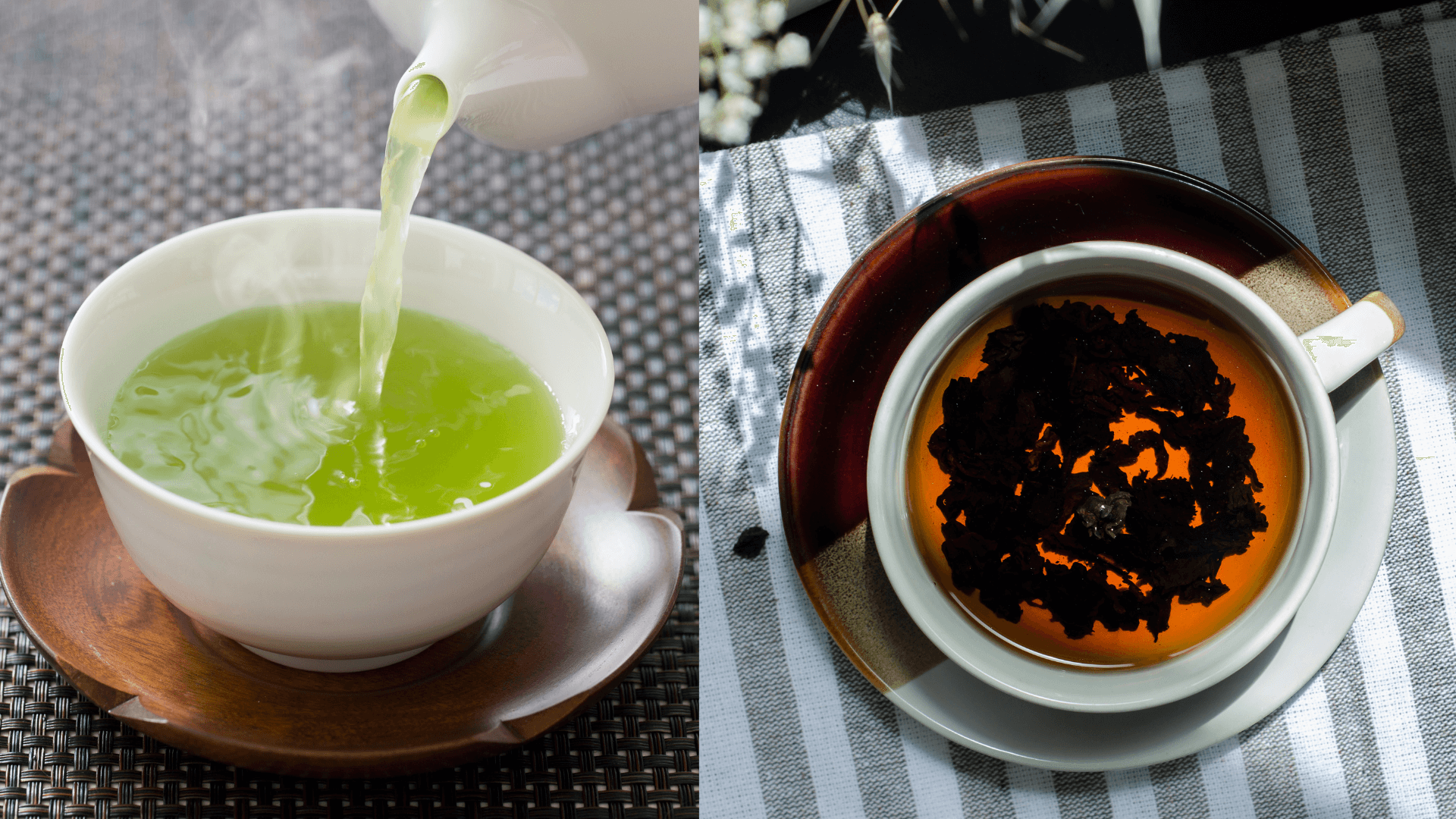
Ever stood in the tea aisle, staring at a wall of boxes, and felt totally lost? You know green tea is supposed to be super healthy, but then you see oolong tea and wonder, “What’s the deal with this one?” Is it just a fancy name for green tea? Is it better?
You’re not alone! The great oolong tea vs green tea debate has puzzled tea lovers for ages. They’re both famous, both come from the same plant, and both are packed with benefits. But they are not the same.
So, which one should you choose? Get ready for the ultimate tea smackdown! We’re diving deep into the world of oolong vs green tea benefits, taste, and everything in between. By the end of this, you’ll be a tea expert.

First Things First: Are They Even Related? (Spoiler: Yes!)
Let’s clear up the biggest question right away: is oolong tea a green tea?
Nope! And here’s a bigger surprise: is oolong tea green or black?
The answer is… it’s neither! Oolong is in a magical category all its own.
Imagine all tea comes from the same plant, called Camellia sinensis. Think of it like grapes—the same fruit can make green grapes, red grapes, or raisins, depending on what you do to it.
- Green Tea is like a fresh, green grape. The leaves are picked and quickly heated (by steaming or pan-firing) to stop them from changing. This keeps them green and gives them a fresh, “grassy” flavor.
- Black Tea is like a raisin. The leaves are fully crushed and allowed to oxidize (a natural chemical process), which turns them dark brown and gives them a strong, robust flavor.
- Oolong Tea is the superstar in the middle. It’s partially oxidized. Tea masters let the leaves wilt and bruise, starting the oxidation process, but then they stop it at just the right moment. This means oolong can be light and floral or dark and toasty. It has a range of flavors you won’t find anywhere else!
So, while you might hear people talk about “oolong green tea benefits,” they’re really talking about the benefits of oolong tea, which can sometimes look greenish.
Round 1: The Flavor Face-Off – Taste Buds, Get Ready!
This is where the two teas really separate.
Green Tea: If you’ve ever tried green tea, you know it can be a bit… bitter. Its flavor is often described as:
- Grassy
- Vegetal (like spinach or steamed veggies)
- Light and refreshing
- Sometimes a little sweet or nutty
High-quality green teas, like matcha, have a richer, smoother taste. Speaking of matcha tea vs oolong, matcha is a powerhouse. You’re drinking the entire ground-up leaf, so the flavor is super concentrated, creamy, and umami (a savory taste). It’s like a green tea on steroids!
Oolong Tea: This is where the party is! Because oolong is partially oxidized, its flavor profile is incredibly diverse.
- Light Oolongs can taste floral, buttery, sweet, and like fresh orchids or honey.
- Dark Oolongs can taste woody, roasted, toasty, with notes of caramel or dark fruit.
The Winner? It’s a tie! If you love fresh, clean flavors, green tea might be your jam. If you want a more complex, adventurous cup that’s rarely bitter, oolong will blow your mind.

Round 2: The Health Benefits Battle – Oolong vs Green Tea Benefits
Now for the main event! Both teas are loaded with antioxidants called catechins and polyphenols. These are like tiny superheroes that fight damage in your body. But because of how they’re processed, their superhero teams are a little different.
Green Tea’s Superpower: The Fat-Burning Furnace
Green tea is famous for one antioxidant in particular: EGCG. It’s the most researched catechin and is known for:
- Boosting Metabolism: It can help your body burn fat faster, which is why it’s in so many weight loss supplements.
- Brain Health: It can improve your focus and may help protect your brain as you age.
- Heart Helper: It’s linked to lower bad cholesterol and better heart health.
Oolong Tea’s Superpower: The All-Rounder Athlete
Oolong green tea health benefits (a common search term) are impressive because oolong offers a wider range of catechins due to its partial oxidation. This gives it some unique advantages:
- Powerful Weight Management: Studies show that oolong tea may be even more effective than green tea at burning fat while you’re just resting! It’s also great for controlling your appetite.
- Skin Saver: The antioxidants in oolong can help clear up your skin and fight eczema.
- Blood Sugar Balancer: It can help keep your blood sugar levels stable, preventing those energy crashes.
- Dental Health: It has fluoride and antioxidants that fight plaque and cavities.
The Winner? Another tie, but for different reasons. Green tea is a specialist (amazing for metabolism), while oolong is a fantastic all-rounder. For overall oolong green tea benefits, it covers a wider spectrum of health areas.
So, Which Tea is RIGHT for You? A Simple Checklist
Don’t worry, you don’t have to pick a side forever! You can enjoy both. But this guide will help you decide what to reach for today.
You Should Drink GREEN TEA if…
- You want a simple, daily health boost focused on metabolism.
- You love that classic, “healthy” green tea taste.
- You need a quick, caffeine-powered focus session (great for homework!).
- You’re a fan of matcha tea vs oolong for its intense, creamy flavor in lattes.
You Should Drink OOLONG TEA if…
- You’re bored with regular green tea and want to explore new flavors.
- Your goal is overall wellness: skin, digestion, weight, and heart health all in one.
- You dislike the bitterness of some green teas. (A good oolong is rarely bitter!)
- You want a tea that you can brew multiple times, with the flavor changing each time (a fun tea ritual!).

Brewing Like a Pro: Don’t Ruin Your Tea!
Making tea is easy, but making great tea takes a tiny bit of know-how. The biggest mistake people make is using boiling water, which burns the delicate leaves and makes tea bitter.
Green Tea Brewing:
- Water Temp: Let your boiling water cool for about 2 minutes. Aim for 160°F – 180°F (71°C – 82°C).
- Steep Time: 1-3 minutes. Any longer and it might get bitter.
Oolong Tea Brewing:
- Water Temp: A little hotter than green tea. Use water around 180°F – 200°F (87°C – 93°C).
- Steep Time: 3-5 minutes. Oolong leaves are often rolled tight and need time to unfurl and release their flavor.
Final Score: It’s All About Your Journey
In the epic battle of oolong tea vs green tea, there is no single loser. They are both winners in their own way.
- Green Tea is your reliable, powerful, everyday health friend.
- Oolong Tea is your exciting, versatile, and deeply rewarding flavor adventure.
The best part about the world of tea is that there are no rules. You can drink a cup of green tea in the morning for a clean energy boost and enjoy a relaxing cup of oolong in the afternoon to unwind.
So, why not try both? Grab a small bag of a good-quality green tea and a light green oolong tea to experience the health benefits and flavors for yourself. Your taste buds—and your body—will thank you for it
Related Post:
A. Green Tea (Unoxidized): The Ultimate Antioxidant-Rich Superfood Tea – The Tea Directory