
Have you ever stood in a tea aisle and wondered, “What am I actually supposed to drink to feel better?” Not just to wake up, but to truly feel balanced? Today, we are looking at a blend that has answered that question for centuries. It combines a bright red berry, a knotted root, and a tiny golden flower. This is the story of the Ancient Wellness Trio: Goji, Ginseng, and Osmanthus. We will explore where they came from, why they are good for you, and—most importantly—how they taste when they finally meet in your favorite mug.
The Ruby Guardian: Goji Berry
The History
Our first ingredient is the Goji berry, often called a “wolfberry.” These little red gems look like tiny, shriveled raisins, but they hold a big history. In China, people have been eating them for over 2,000 years . Ancient monks living in the Himalayas would add them to their meals, believing the berries helped them endure long winters and focus during deep meditation. They are even mentioned in the Shennong Bencao Jing, the world’s oldest book on herbal medicine, which recommended them for keeping the liver and eyes healthy .
The Flavor & Function
When you steep Goji berries, they plump back up and float in your cup like little red balloons. They release a subtle, nightshade sweetness (similar to a tomato, since they are related!) with a hint of tanginess.
- Taste: Sweet, slightly tart, and fruity.
- The Vibe: Think of Goji as the bodyguard of the blend. It is rich in zeaxanthin, a nutrient that acts like sunscreen for your eyes, helping protect your vision from the blue light of screens and the glare of the sun .

The Wise Root: Ginseng
The History
Next is Ginseng. In the wild, this root takes years to mature. It is knobby, twisty, and sometimes looks like a human figure walking. This shape led ancient people to believe it was a gift from the gods to cure the entire human body. The Chinese characters for Ginseng, renshen, literally mean “man root.” For centuries, it was considered more valuable than gold. Emperors drank Ginseng tea to maintain their stamina and sharpen their minds before making big decisions .
The Flavor & Function
Raw Ginseng has a distinct flavor. It is earthy, slightly bitter, and has a unique woody taste.
- Taste: Earthy, bittersweet, with a slight licorice-like cooling sensation after you swallow.
- The Vibe: Ginseng is the coach. It contains compounds called ginsenosides. Unlike coffee, which spikes your energy and drops it, Ginseng acts as an adaptogen. This means it helps your body “adapt” to stress. If you are tired, it gently wakes you up. If you are jittery, it helps you calm down. It is the perfect “study tea” because it promotes focus without the caffeine crash.

The Golden Heart: Osmanthus
The History
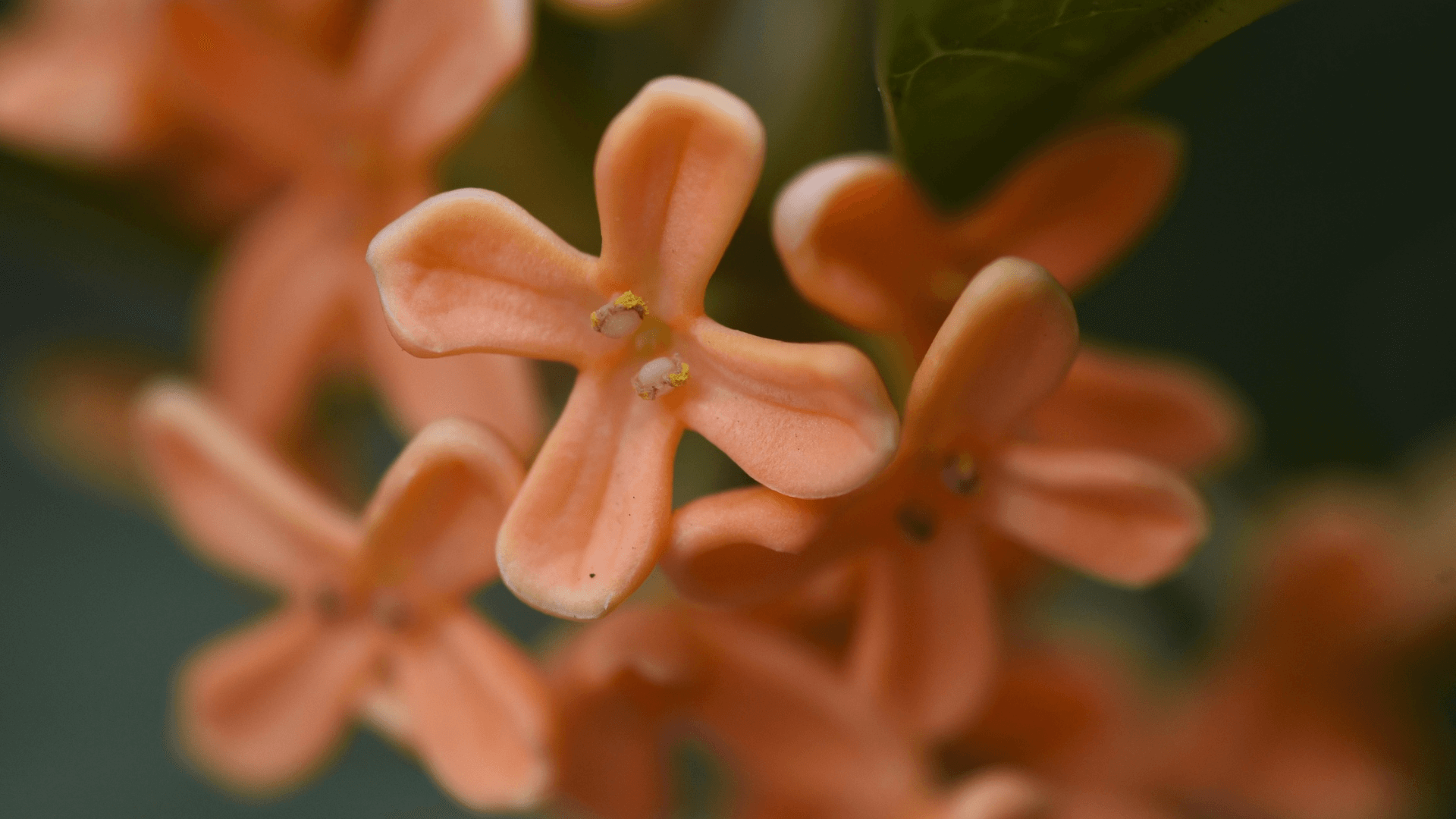
Finally, we have the soul of the blend: Osmanthus. In China, these tiny golden flowers are called Guihua. They are so beloved that an entire city, Guilin, is named after them—it means “Forest of Sweet Osmanthus” . There is a beautiful legend that a giant Osmanthus tree grows on the moon, and during the autumn harvest festival, its perfume drifts down to Earth. For over 2,500 years, the Chinese have been scenting teas with these flowers to add a touch of joy to their daily brew .
The Flavor & Function
If you close your eyes and smell Osmanthus, you will swear you are eating a peach cobbler or an apricot pastry. It has almost no bitterness.
- Taste: Intensely floral, fruity, and honey-sweet.
- The Vibe: Osmanthus is the hug. It doesn’t provide energy like Ginseng or antioxidants like Goji; instead, it provides happiness. In Traditional Chinese Medicine, it is used to “warm the lungs” and soothe the spirit. Its sweet aroma is known to reduce anxiety and simply make you feel good.
The Perfect Marriage: Why They Work Together
Now, here is the magic. Put them all in one cup, and something incredible happens. This is called synergy.
- The Ginseng lays down a strong, earthy base. Without help, this can taste a little too “medicinal” for some people.
- The Goji cuts through that earthiness with a pop of fruity sweetness, balancing the root.
- The Osmanthus sits on top of both. It takes the deep, earthy energy of the root and the tartness of the berry and wraps them in a cozy blanket of apricot perfume.
The result is a cup that looks like pale gold. It smells like a fruit orchard in autumn. It tastes sweet, then earthy, then sweet again. It is a tea that comforts your body and wakes up your mind at the same time.
How to Brew the Ancient Wellness Trio
To get the best flavor and benefits from these three, you have to treat them right. Unlike a black tea that brews in 3 minutes, this blend needs a little more patience.
Ingredients:
- 5-6 dried Goji berries
- 2-3 thin slices of dried Ginseng (or 1/2 teaspoon of Ginseng powder)
- 1 teaspoon of dried Osmanthus flowers
- 12 oz of water
Instructions:
- Preheat your cup: Rinse your mug with hot water to keep the temperature stable.
- Combine: Place all the dry ingredients into a mug or a tea infuser.
- The Right Temperature: Boil your water, but let it sit for 60 seconds. Water that is too hot (212°F / 100°C) can burn the delicate Osmanthus petals, making the tea taste flat. Aim for about 195°F (90°C).
- Steep Long: Pour the water over the herbs. Cover the mug with a small plate or a lid to trap the steam. Let it steep for at least 7 to 10 minutes. This allows the dense Ginseng root to release its compounds and the Goji berries to fully rehydrate.
- Sip and Observe: Watch the Goji berries float to the top. Inhale the apricot aroma. Take your first sip. It is a taste of ancient history.
Conclusion
The Ancient Wellness Trio is not just a trend. It is a recipe that has survived wars, dynasties, and famines because it simply works. The Goji guards your eyes, the Ginseng roots you to the earth, and the Osmanthus lifts your spirits. Next time you are looking for a caffeine-free companion for a quiet afternoon, remember this trio. Brew them slowly, sip them warmly, and enjoy a connection to the ancient world, one cup at a time.
Related Post: