
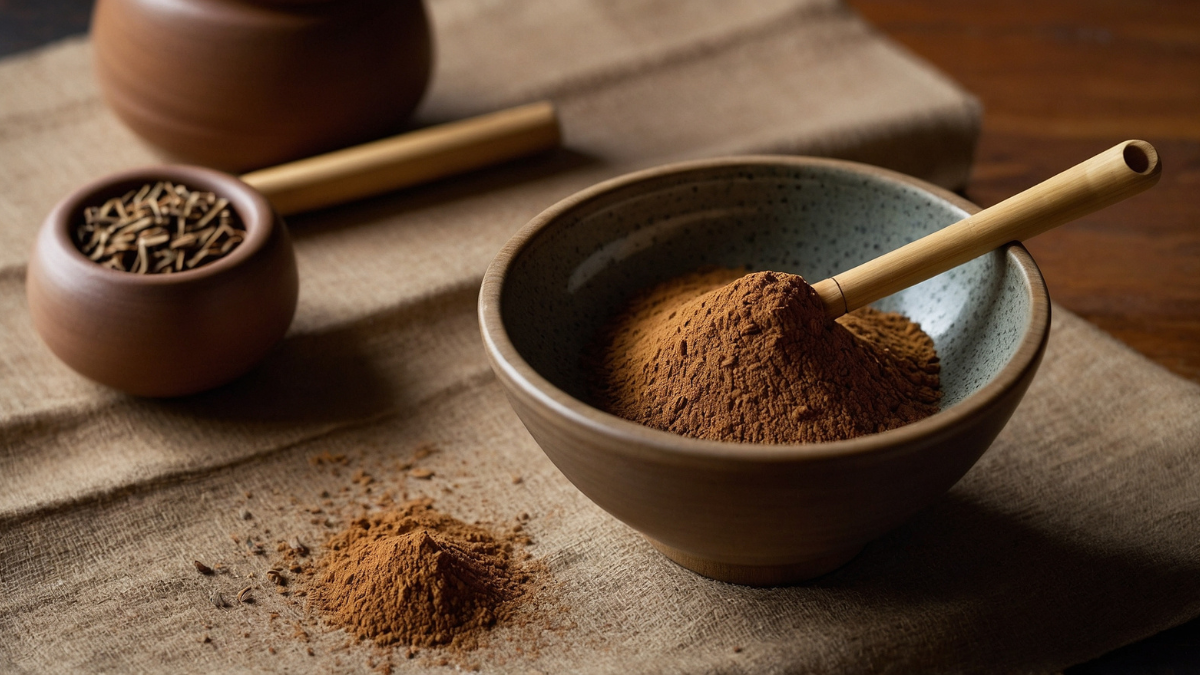
energizing properties, there’s a whole world of lesser-known super powders waiting to take the stage — and some of them might even be better for your specific health goals.
Short on time? Here’s the quick answer:
The best health-focused alternatives to matcha powder are moringa, powdered mulberry leaf tea, and wheatgrass powder. All three are rich in antioxidants, caffeine-free (or low in caffeine), and offer unique benefits ranging from blood sugar regulation to immune support. Are you looking for a low-acid coffee substitute? Yerba mate gives a powerful energy kick, while hojicha and chamomile are great for relaxing the nervous system.
Let’s look deeper at these powerhouse substitutes to help you find your new favorite cup.
Table of Contents
Matcha Substitute Comparison Table
| Substitute | How to Use | Flavor Profile | Caffeine | Verdict |
|---|---|---|---|---|
| Powdered Mulberry Tea | 1:1 replacement | Creamy, sweet, mild matcha-like flavor | No | ⭐ 10/10 |
| Gyokuro Tea | 1:1 replacement | Floral, smooth, less bitter than matcha | Yes (mild) | ⭐ 10/10 |
| Moringa Tea | 1:1 replacement | Earthy, gentle, slightly herbal | No | ⭐ 9/10 |
| Yerba Mate | Use half the amount | Bitter, bold, vegetal | Yes (strong) | ⭐ 9/10 |
| Hojicha Powder | 1:1 replacement | Roasted, nutty, cocoa-like with mild sweetness | Low | ⭐ 8/10 |
| Green Tea | 1:2 with loose leaves or steeped milk | Lighter, grassy, less bitter | Yes (mild) | ⭐ 8/10 |
| Wheatgrass Powder | 1:1 replacement | Mild, earthy, grassy | No | ⭐ 7/10 |
| Barley Grass Powder | 1:1 replacement | Earthy, nutty, slightly bitter | No | ⭐ 8/10 |
| Butterfly Pea Flower Powder | Brewed or mixed with liquid | Mild, floral, slightly earthy — color changes with citrus | No | ⭐ 7.5/10 |

1. Moringa Powder – The Nutrient Powerhouse
If matcha is the cool, trendy cousin, moringa is the low-key genius of the family. Often called the “Miracle Tree,” moringa leaves are packed with:
- 7x more Vitamin C than oranges
- 4x more calcium than milk
- 9 essential amino acids
It’s naturally caffeine-free, making it an ideal matcha alternative for those looking to avoid jitters or insomnia. Its earthy, spinach-like flavor blends seamlessly into smoothies, lattes, or even soups.
Try this: Whisk moringa powder with warm oat milk, cinnamon, and a dash of honey for a calming bedtime latte.
2. Powdered Mulberry Leaf Tea – A Hidden Gem
Rarely talked about, powdered mulberry leaf tea is surprisingly close to the taste and color of matcha, minus the caffeine. But it’s not just a decaf dupe; mulberry leaves are rich in DNJ (1-deoxynojirimycin), a compound shown to help regulate blood sugar levels after meals.
It has a creamy, slightly sweet aroma and boasts antiviral, anti-inflammatory, and liver-supporting properties.
Health Bonus: May aid in managing type 2 diabetes and insulin resistance when consumed regularly.
3. Wheatgrass Powder – Green and Clean
Wheatgrass is often associated with intense green smoothies, but don’t dismiss it too quickly. This humble grass is loaded with chlorophyll, a plant compound known to:
- Detoxify the liver
- Support red blood cell production
- Fight inflammation
It’s caffeine-free, so it’s great for those who want the energizing feeling of green tea without the stimulant. The flavor? Earthy and grassy — much like matcha, but a little gentler.
Pro tip: Blend it with citrus fruits or pineapple to balance the flavor and supercharge your morning juice.
4. Yerba Mate – The Natural Energy Booster
If you’re not ready to let go of your morning buzz, yerba mate might be your new best friend. This South American brew has more caffeine than matcha but causes fewer jitters thanks to its smooth alkaloid profile.
Beyond the pick-me-up, it’s packed with saponins (immune-boosting compounds) and antioxidants.
Warning: Yerba mate is bitter — consider adding a splash of lemon juice or a natural sweetener to soften the flavor.

5. Hojicha – For the Sensitive Stomach
Made from roasted green tea leaves, hojicha has a low caffeine content and a naturally toasty, caramel-like flavor. Its roasted profile means less acidity, making it ideal for anyone prone to stomach sensitivity or acid reflux.
While it doesn’t pack the same antioxidant punch as matcha, it’s still a gentle, grounding choice for mindful moments or post-dinner wind-downs.
Bonus: The warm aroma of hojicha can help reduce cortisol levels and promote relaxation.

6. Chamomile – The Ultimate Relaxation Ritual
Okay, chamomile isn’t green — but it deserves a spot here for its nervous-system-soothing powers. If you’re using matcha as part of your wellness routine but find it too stimulating, chamomile is the yin to matcha’s yang.
Chamomile helps:
- Improve sleep quality
- Calm anxiety
- Soothe digestive issues
Upgrade your chamomile: Add lavender or vanilla to create a calming bedtime elixir with a luxurious twist.
7. Spirulina – The Ocean’s Superfood
Want a smoothie addition that rivals matcha’s antioxidant strength? Try spirulina, a blue-green algae loaded with protein, iron, and chlorophyll. It’s not a tea, and yes — it smells a little oceanic — but it blends beautifully into fruit-based drinks or plant-based energy bites.
Plus, it’s one of the most sustainable and nutrient-dense foods on the planet.
Tip: Start with ¼ tsp and blend with pineapple or mango to mask the “sea” flavor.

8. Barley Grass Powder – The Alkalizing Green Hero
Barley grass is the young, tender leaf of the barley plant and is often consumed in powdered form. It’s loaded with:
- Chlorophyll and flavonoids
- Vitamins A, C, and B-complex
- Calcium, magnesium, and iron
What makes barley grass unique is its alkalizing properties, which help balance your body’s pH, reduce acidity, and support gut health. It’s also great for detoxifying heavy metals and improving skin health.
Flavor profile: Milder than wheatgrass, slightly nutty and earthy.
9. Butterfly Pea Flower Powder – The Color-Changing Antioxidant
Looking for something visually stunning and healthy? Butterfly pea flower powder is made from vibrant blue Southeast Asian flowers and is rich in:
- Anthocyanins (antioxidants that support skin, eyes, and brain health)
- Anti-glycation properties (great for slowing down skin aging)
- Zero caffeine
Add lemon or lime juice and watch it change from blue to purple — a fun, Instagram-worthy effect with powerful health benefits.
Best served: As an iced latte with plant milk, or brewed as a tea with citrus.
✅ Which One’s Right For You?
Choosing the right matcha substitute depends on your wellness goals and taste preferences. Are you looking to reduce caffeine but still want an energizing drink? Or are you seeking a powerful antioxidant boost to support your immune system? Whether you’re trying to balance blood sugar, improve digestion, or simply find a new flavor to enjoy, there’s a perfect alternative for you. Below is a helpful guide to match each health goal with the best tea or superfood powder to suit your lifestyle.
| Goal | Best Substitute(s) |
|---|---|
| Caffeine-free energy | Moringa, Mulberry, Wheatgrass, Barley Grass, Butterfly Pea Flower |
| High caffeine | Yerba Mate |
| Digestive health | Chamomile, Hojicha, Barley Grass |
| Immune support | Spirulina, Moringa, Butterfly Pea Flower |
| Blood sugar balance | Mulberry Leaf Powder |
Final Sip
Matcha isn’t the only green goddess on the shelf — and it might not even be the best one for you. Whether you’re switching things up for health, flavor, or curiosity, these matcha alternatives prove there’s no one-size-fits-all for wellness rituals.
Ready to try something new? Your perfect super powder might be waiting for you to steep, whisk, or blend.
Related Post: