
Table of Contents
Have you ever wondered why some teas taste smoother, make you feel calmer, or even help you sleep better? The answer may surprise you: it’s not just the leaves, but also the way they’re treated with nitrogen.
That’s right — nitrogen treatment is a little-known secret in the tea world. It’s used to boost natural compounds in the leaves and create teas that are healthier, gentler, and more relaxing to drink.
But what exactly does nitrogen do to tea? And why do farmers and tea makers care so much about this invisible gas? Let’s explore.
What Does Nitrogen Do to Tea?
This is the first big question people ask: What does nitrogen do to tea?
In tea processing, nitrogen is used during something called anaerobic fermentation. Here’s what happens:
- Fresh tea leaves are placed in a sealed container.
- Oxygen is removed and replaced with nitrogen gas.
- With no oxygen, the leaves switch how they “breathe.”
- Inside the leaves, a natural change happens — glutamic acid turns into GABA (gamma-aminobutyric acid).
This means nitrogen treatment makes the tea richer in GABA, a calming compound that helps our brain relax. That’s why GABA teas (like Wild GABA Oolong from Taiwan) are famous for reducing stress and supporting sleep.
In short: nitrogen treatment doesn’t add nitrogen to the tea — it creates an oxygen-free world that transforms the tea’s chemistry.

What is the Role of Nitrogen in Tea Plants?
Now, let’s zoom out. What about the tea plant itself, growing in the soil? What is the role of nitrogen in tea plants?
Nitrogen is actually one of the most important nutrients for any plant, and tea is no exception.
- 🌱 Helps growth: Nitrogen makes the leaves greener and healthier.
- 🍃 Boosts amino acids: Especially theanine, which gives tea its sweet, umami flavor.
- 🍵 Improves yield: Farmers know that well-fed plants give more leaves to harvest.
- 🌍 Soil balance: The right amount of nitrogen keeps tea plants strong and resistant to disease.
Too little nitrogen? The plant looks yellow, weak, and makes poor-quality tea.
Too much nitrogen? The flavor can be harsh, and the plant might get sick.
That’s why tea farmers carefully manage how much nitrogen fertilizer they use in their fields.
Which Tea is High in Nitrogen?
Another common question is: Which tea is high in nitrogen?
The answer depends on two things:
- How the tea plant was grown.
- Shaded teas (like Japanese matcha or gyokuro) are higher in nitrogen-based compounds like theanine.
- This is because shading slows down photosynthesis and pushes the plant to make more amino acids.
- How the tea was processed.
- GABA teas, made with nitrogen treatment, are high in GABA — a nitrogen-based compound linked to relaxation.
So, if you want a tea naturally “high in nitrogen compounds,” look for:
- Matcha (shade-grown, high in theanine).
- Gyokuro (luxury Japanese green tea, high in amino acids).
- GABA oolong or GABA green tea (processed in nitrogen environments, high in GABA).
How to Make Nitrogen Tea
Now here’s the fun part: How to make nitrogen tea?
There are two different meanings to this question:
1. Making Nitrogen-Rich Tea in Farming
Farmers “make nitrogen tea” by giving plants the right nutrition. They often use:
- Organic compost rich in nitrogen.
- Natural fertilizers like manure or plant matter.
- Carefully measured nitrogen-based fertilizers.
This boosts the theanine and amino acids inside the leaves.
2. Making Nitrogen-Processed GABA Tea
If you’re talking about the special processing method, here’s how tea makers do it:
- Pick fresh tea leaves.
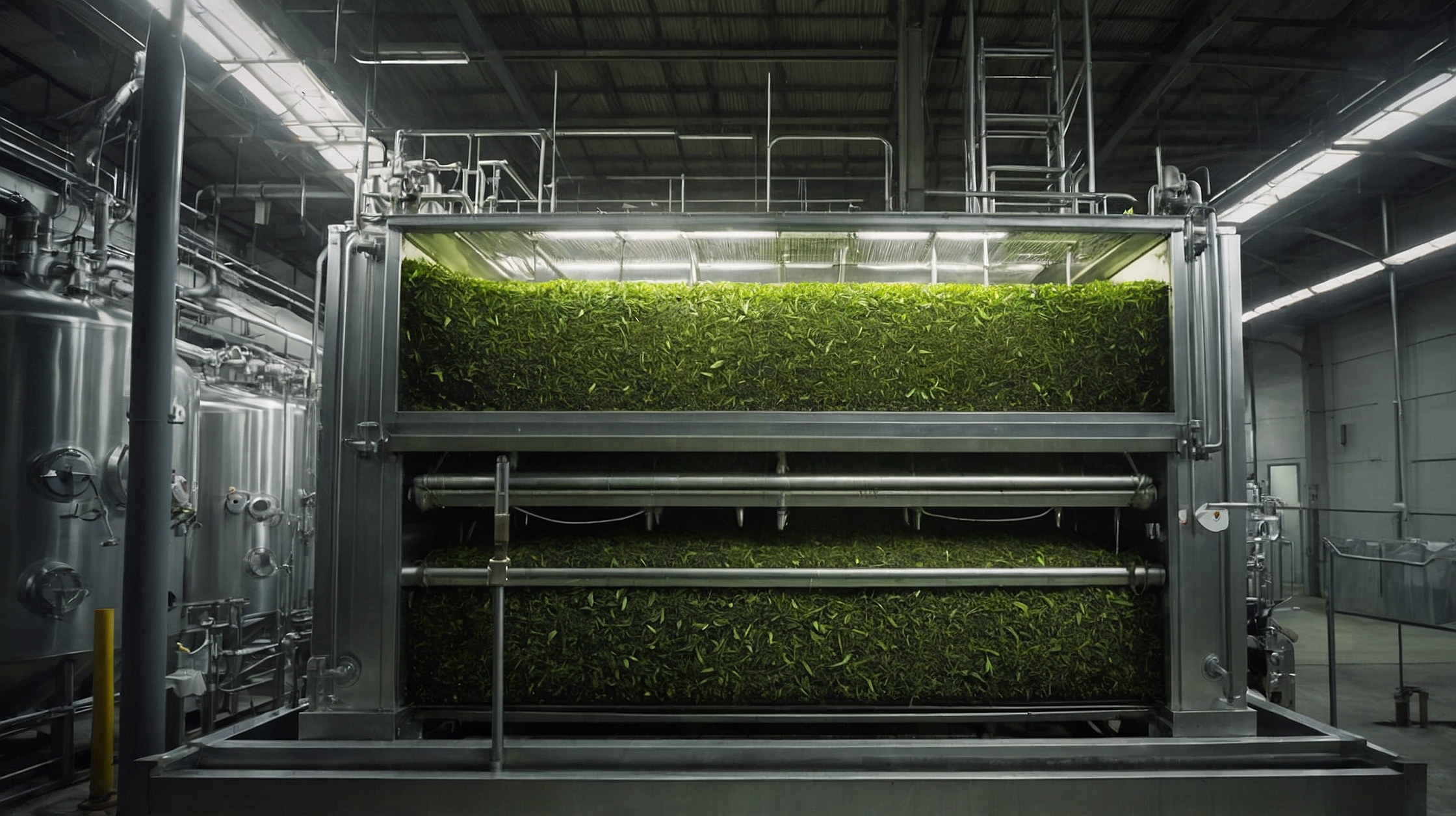
- Place them in a sealed tank.
- Flush the tank with nitrogen gas to remove oxygen.
- Let the leaves rest for hours in this oxygen-free space.
- Dry and roll the leaves into tea.
The result? Nitrogen tea, better known as GABA tea, famous for its calming effects.
Why Nitrogen Matters for Flavor and Health
Here’s why nitrogen is so important in both the farm and the factory:
- In farming: Nitrogen boosts amino acids → amino acids create sweetness, depth, and umami in tea.
- In processing: Nitrogen treatment boosts GABA → GABA creates calmness and relaxation in the drinker.
So whether in the soil or in the tea-making process, nitrogen is the unsung hero behind both taste and health benefits.

The Taste of Nitrogen-Treated Tea
If you try a nitrogen-treated GABA tea, you’ll notice it tastes different from your everyday green tea.
- Smoother: Less bitterness.
- Slightly sweet: Thanks to more amino acids.
- Complex: Some say fruity, others say nutty or honey-like.
It’s the kind of tea you want to sip slowly, enjoying the way it makes both your body and mind feel calmer.
Why Tea Lovers Are Turning to Nitrogen Tea
In recent years, more people have been searching for natural ways to:
- Lower stress.
- Sleep better.
- Focus without caffeine jitters.
Wild GABA oolong and other nitrogen-treated teas are getting popular because they check all those boxes. Unlike supplements or pills, they’re natural, delicious, and part of a relaxing daily ritual.
Key Takeaways
Let’s answer our big questions one more time:
- What does nitrogen do to tea?
It creates an oxygen-free environment that increases GABA, making tea more relaxing. - What is the role of nitrogen in tea plants?
It helps the plant grow, stay green, and produce more amino acids like theanine. - Which tea is high in nitrogen?
Shaded Japanese teas (matcha, gyokuro) and nitrogen-treated GABA teas. - How to make nitrogen tea?
Either by feeding plants nitrogen-rich soil or by processing leaves in nitrogen tanks to make GABA tea.
Final Thoughts
Nitrogen may be invisible, but its role in tea is powerful. From the farm soil to the fermentation tank, nitrogen shapes both the flavor of tea and the way it makes us feel.
If you’re curious about tea that relaxes without making you groggy, or if you want to explore unique flavors, nitrogen-treated teas like Wild GABA Oolong are worth trying.
Related Post: