
Table of Contents
You’ve experienced it before. You buy a beautiful bag of oolong tea, steep it with care, and take that first anticipatory sip… only to be met with a flat, dull, or just uninteresting cup. It’s a disappointment we all want to avoid.
The world of oolong tea is vast and complex, encompassing a range from light and floral to dark and roasted. With so many options, how can you, as a tea drinker, feel confident you’re getting a quality product?
The secret isn’t a secret at all. Identifying high-quality oolong tea is a skill you can learn by engaging your senses. You don’t need to be a master tea sommelier; you just need to know what to look, smell, and taste for.
Forget vague descriptions. This guide will give you a clear, step-by-step framework to evaluate your next cup like a pro. Let’s dive into the key oolong tea quality indicators.

The First Impression: Evaluating the Dry Leaves
Your evaluation begins the moment you open the package. The dry leaves tell a story about their processing and handling long before they hit hot water.
1. Form and Shape: A Sign of Careful Processing
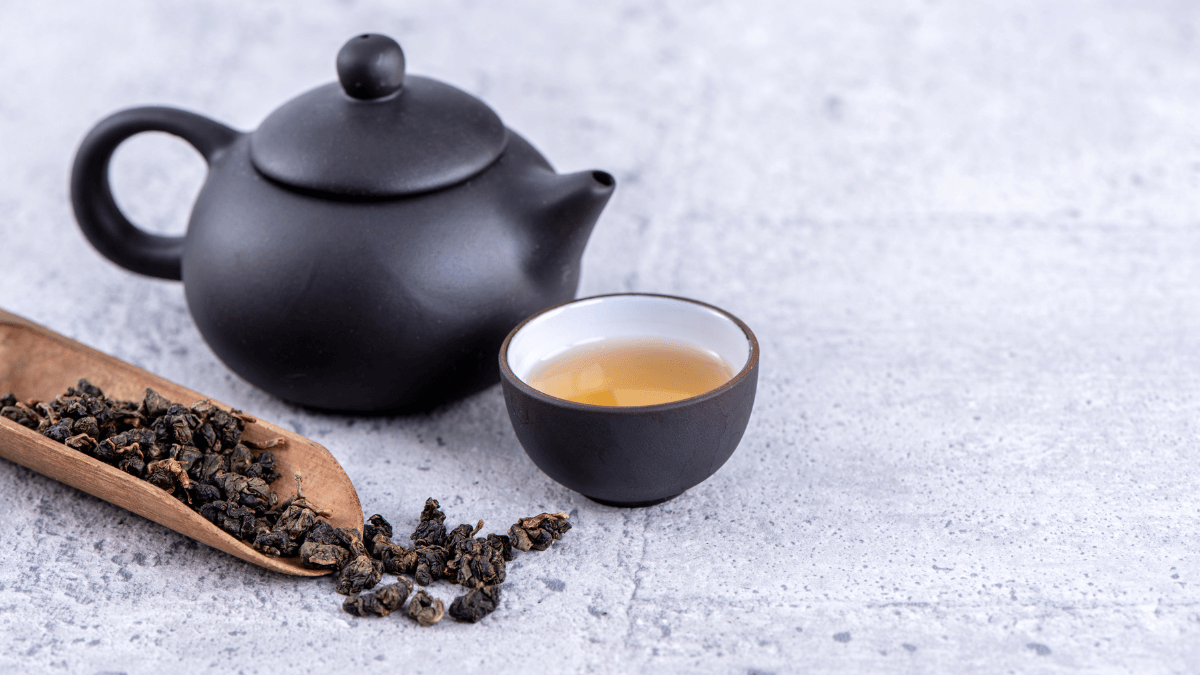
High-quality oolong leaves are almost always tightly rolled oolong leaves. You’ll typically see them shaped into small, dense spheres or expertly twisted into strands, like a rope. This isn’t just for aesthetics. This careful shaping protects the leaf’s internal oils and compounds, allowing for a slow, beautiful unfurling during steeping that releases flavor gradually. If the leaves are loose and broken, they’ve likely been handled roughly and may steep unevenly.
2. Uniformity: The Mark of a Skilled Harvest
Take a closer look. Are the leaves uniform in size and shape? This uniformity is a critical sign of a careful harvest. It means the plucker selected leaves from a similar part of the plant and of a similar age. This consistency is crucial because the same-sized leaves will brew at the same rate, giving you a balanced cup. A bag filled with a chaotic mix of whole leaves, dust, and stems is a major red flag for poor sorting.
3. Integrity: Whole Leaves are Happy Leaves
While some breakage is inevitable, high-quality oolong tea leaves will consist of mostly unbroken leaves. Look for whole leaf vs broken pieces. An abundance of small crumbs and dust at the bottom of the bag means the tea has been over-handled, possibly machine-processed in a way that damages the leaves and degrades the essential oils that carry flavor and aroma.
4. Aroma (Dry): The First Scent of Complexity
Now, close your eyes and inhale deeply. The aroma of dry oolong leaves should be distinct and appealing. This is where you’ll discover its complexity. Depending on the type of oolong, you might detect:
- Floral notes (think orchids or lilacs) common in light oolongs like Tie Guan Yin.
- Fruity notes (like stonefruit or honey) in greener oolongs.
- Toasty, roasted notes (charcoal, nuts, cocoa) in darker oolongs like Da Hong Pao.
Most importantly, the scent should be pure and inviting. If you detect any smoky, damp, or musty odors (unless it’s an intentionally smoked variety), it’s a sure sign of stale oolong tea or poor storage.

The Transformation: Judging the Brewed Tea
This is where the magic happens. The true test of quality is in the cup.
1. The Liquor Color: A Window to Oxidation
Pour the tea into a white or light-colored cup to best judge its color. A good oolong will produce a clear, bright liquor. The hue can range from a light yellow for lightly oxidized oolongs to a deep orange or amber for heavily oxidized ones. A murky or dull cup suggests lower-quality leaves or improper brewing.
2. The Wet Leaf Aroma: The Story Unfolds
As the leaves steep, they awaken. The aroma of the brewed tea should be a more intense and evolved version of the scent of the dry leaf. That floral note might become headier; that roasted note might deepen into a sweet caramel. It should be sweet and inviting, not flat, fishy, or overly harsh.
3. Taste & The Legendary Aftertaste: The Final Verdict
Finally, take a sip. Let the tea wash over your palate.
- Taste: Quality oolong should have a slight bitterness that is clean and refreshing, not overwhelming or astringent. This bitterness should quickly transform, revealing layers of flavor—the complex flavor oolong tea is famous for.
- Aftertaste: This is the grand finale and perhaps the most telling sign of a fine oolong. A pleasant and lasting aftertaste, known as “Hui Gan” or “returning sweetness,” should linger in your throat and mouth long after you’ve swallowed. This sweet, cooling sensation is the hallmark of a truly great tea. If the flavor disappears instantly or leaves a bad taste, the quality is not high.

The Expert’s Secret: Reading the Wet Leaves
Don’t dump those used leaves just yet! Reading oolong tea leaves after brewing is a master technique.
Pour them into a bowl or lid and take a look. This oolong wet leaf evaluation is incredibly revealing. A high-quality tea will have leaves that have unfurled completely into whole, large, and often thick and glossy oolong wet leaves. You can see the integrity of the leaf—if they are mostly intact and vibrant (often a bright green for certain styles), you know you started with good material. If they look like a mushy, torn-up mess, you’ve confirmed the dry leaf suspicions of poor handling.
Your Most Important Step: Buying from a Trusted Source
All this knowledge is empowering, but the single most reliable way to ensure you’re getting a good product is to buy from a reputable vendor.
A trusted vendor will:
- Provide specific details about the tea’s origin and harvest (e.g., “Spring 2023 harvest from Alishan, Taiwan”).
- Offer transparent descriptions of the flavor profile.
- Sell tea that is fresh and has been stored properly.
They take the guesswork out of the equation. Your newfound skills will then allow you to appreciate and confirm the quality they promise.
Becoming a confident judge of oolong tea quality transforms the experience from a gamble into a guaranteed pleasure. Use this guide before your next purchase and with your next cup. Your palate will thank you.
Related Post: