
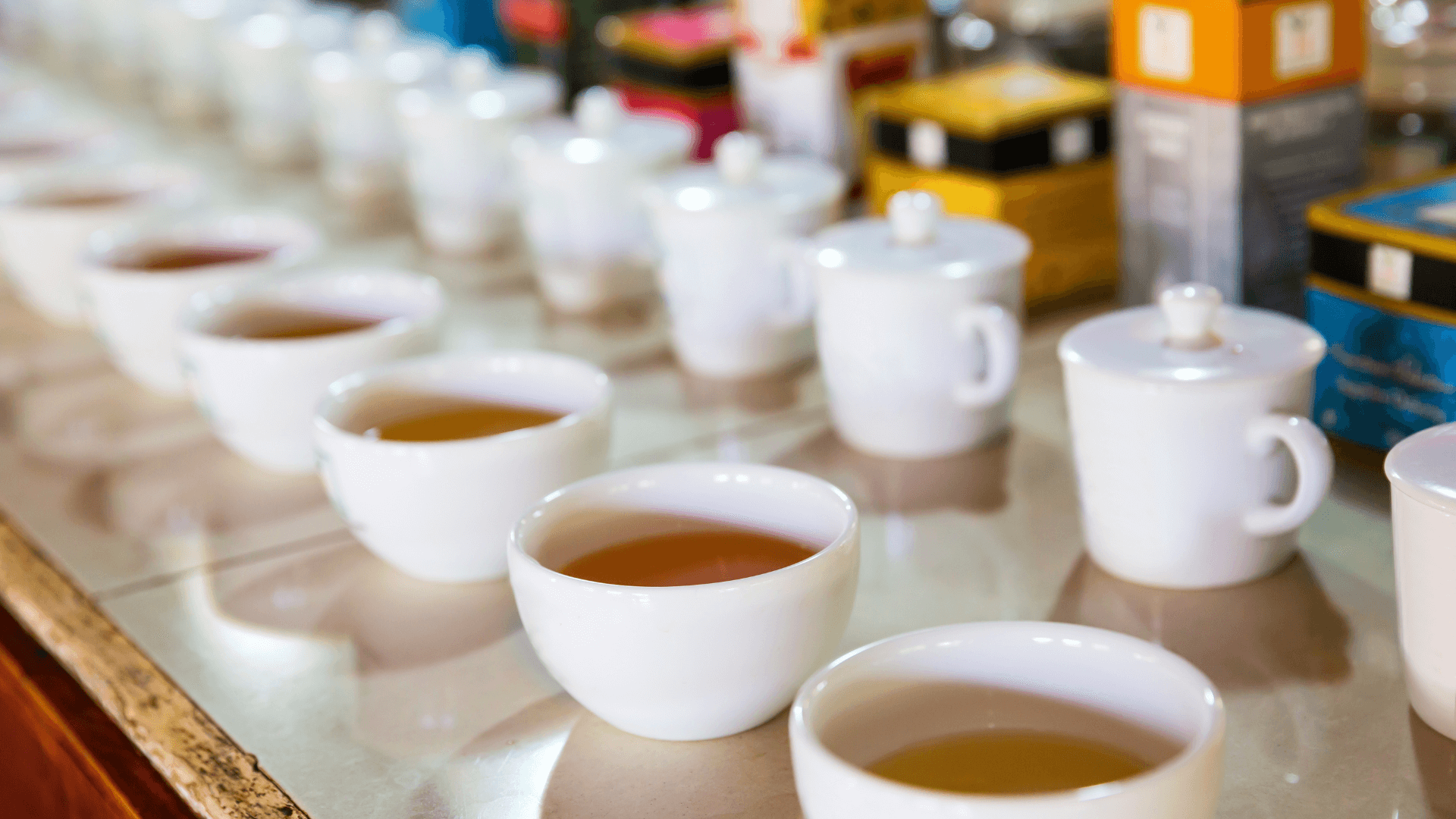
Have you ever read a tea description that promised a “hint of sun-dried apricot, a whisper of wildflower honey, and a finish of fresh-cut cedar” and thought, “I must be doing something wrong. My tea just tastes like… tea”? If so, you’re not alone. The world of tea tasting notes can feel like an exclusive club with a secret language, leaving many enthusiasts feeling like they’re on the outside looking in.
But what if I told you that your palate is more capable than you think? That you don’t need to be a certified sommelier to unlock the hidden flavors in your cup? Decoding tea isn’t about having a superior sense of taste; it’s about learning a new way to pay attention. This isn’t a test—it’s an invitation to an adventure. Consider this your personal map to begin a truly delicious journey of discovery.

Your Palate is Already an Expert (It Just Doesn’t Know It Yet)
Before we dive into the “how,” let’s dismantle a common myth: that tasting notes are made up or overly pretentious. They are simply words we use to describe a complex sensory experience. Your brain is already a master at this.
Think about the difference between a grocery store tomato and a garden-fresh one picked in summer. You can taste the difference immediately. One is watery and bland; the other is explosively sweet, tangy, and tomatoey. Or consider the difference between milk chocolate and a high-cacao dark chocolate. One is simply sweet and creamy; the other might taste fruity, nutty, or even earthy.
You are already detecting nuance. You’re already comparing experiences and cataloging flavors in your memory. Tea is no different. We’re just applying that same innate skill to a new subject. So, take a deep breath. There’s no right or wrong answer. Your experience is your own, and that’s what makes it special.
The Decoder’s Toolkit: Your Senses
Tea tasting is a full-sensory experience. It begins long before the liquid ever touches your lips. To truly decode a tea, we must engage all our tools.
Step 1: The Dry Leaf – A Visual and Aromatic Preview
Start with the dry leaves. This is your first clue.
- Sight: What do you see? Are the leaves long and twisted, rolled into tight little balls, or pressed into a cake? Note the color. Is it a uniform forest green, a silvery white, a mix of brown and gold, or deep, dark black?
- Smell: Gently bring the dry leaves to your nose. Close your eyes. What do you smell? This is where you might get your first “notes.” Don’t overthink it. Does it smell roasty, like coffee or dark chocolate? Does it smell sweet, like raisins or dried cherries? Does it smell fresh and grassy, or floral, like walking past a perfume counter? Jot down whatever comes to mind.
Step 2: The Wet Leaf – The Aroma Unleashed
Now, pour hot water over the leaves and prepare for the magic. As the leaves steep, they unfurl and release their locked-in aromas. This stage is often where the most complex scents emerge.
- Smell Again: Once your tea has steeped, carefully smell the wet leaves. They will tell a different story than the dry leaves. A black tea that smelled malty might now reveal notes of baked apple or stonefruit. A green tea might transform from a grassy scent to a deeply vegetal, spinach-like, or even oceanic aroma. This is a critical step many beginners skip!
Step 3: The Slip – Tasting with Intention
Finally, we taste. But we’re not just gulping it down. We’re going to slip.
- Take a small sip and let it wash over your entire tongue.
- Draw a little air through the tea in your mouth (it might make a slurping sound—that’s encouraged!). This aerates the tea, spreading it to all your taste buds and sending aromas up through the back of your throat to your olfactory receptors. This is key to unlocking flavor.
Now, think in three acts:
- The First Impression (The Attack): What is the very first flavor you notice? Is it immediately sweet? brisk and bitter? smooth and creamy?
- The Body (The Mid-Palate): As the tea sits on your tongue, what other flavors emerge? This is where you might find those specific notes of fruit, flower, spice, or mineral. Let your mind wander. Does it remind you of a food, a place, or a season?
- The Finish (The Aftertaste): After you swallow, what happens? Does the flavor disappear quickly, or does it linger pleasantly (a sign of a high-quality tea)? What taste is left behind? A cooling sensation of mint? A dryness on the sides of your tongue (a characteristic called “astringency”)? A lingering sweetness like honey?
A Practical Exercise: Decoding a Darjeeling Black Tea
Let’s apply this to a classic: a First Flush Darjeeling, often called the “Champagne of Teas.”
- Dry Leaf: The leaves are twisted, variegated in color—dark brown with hints of green and silver. They smell intensely floral, with a sharp, muscatel grape note (think of a fresh, crisp white grape) and maybe a hint of citrus.
- Wet Leaf: The aroma bursts open! The floral notes become more pronounced, like a bouquet of roses and lilacs. The grape note becomes jammier, like grape jelly, alongside a green, almost leafy aroma that provides structure.
- The Taste: The first impression is bright and brisk, not heavy or malty. The mid-palate is where you chase those flavors: a distinct muscatel grape flavor, a crisp apple note, and that beautiful floral character that feels more like a taste than a smell. The finish is clean, slightly astringent (drying), and leaves a refreshing sweetness.
See? By breaking it down, those seemingly complex notes become a logical progression of sensory information.
Building Your Flavor Memory Bank
The best way to get better at decoding is to practice and build your “flavor memory bank.”
- Taste Side-by-Side: Try two different teas at once. A Chinese black tea next to an Indian Assam. A Japanese sencha next to a Chinese dragonwell. Comparison is the fastest way to learn contrast and identify what makes each tea unique.
- Engage with Your Kitchen: Smell your spices. Taste different types of honey. Eat a dried apricot and then a fresh one. Pay attention to the texture of a walnut. This everyday mindfulness gives your brain a richer library of flavors to draw from when you sip your tea.
- Keep a Tasting Journal: This is the most powerful tool. Write it all down—your observations on the dry leaf, the wet leaf, and the three acts of the taste. Don’t worry about using the “right” words. Use your words. Over time, you’ll see your own vocabulary develop and your confidence soar.
The Journey is the Destination
Remember, this is a journey, not a race. Some days your palate will feel sharp and you’ll detect a dozen nuances. Other days, everything might just taste like a warm, comforting beverage. And both of those experiences are perfectly valid.
The goal isn’t to become a tasting note genius overnight. The goal is to slow down, to be present, and to connect more deeply with the incredible beverage in your cup. Each sip is a story of its origin—the sun, the soil, the rain, and the hands that cultivated it. By learning to decode its language, you’re not just drinking tea; you’re listening to its story.
So, put the kettle on, pick a tea, and really taste it. Your journey awaits.