
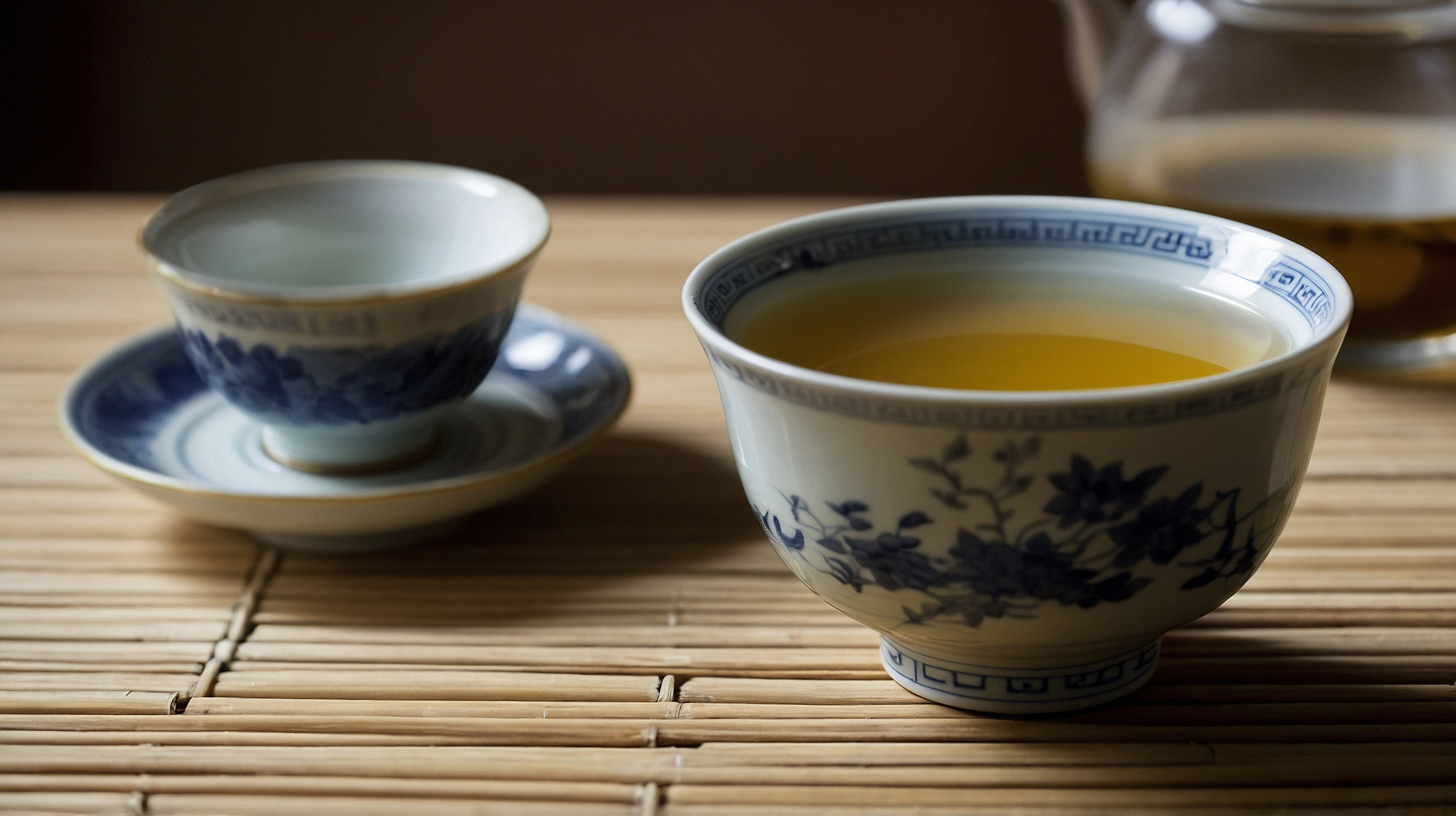
You’ve heard the name, seen the elegant packages, and wondered what all the fuss is about. White tea is renowned in the tea world for its rarity and delicacy, but for many, its flavor remains a mystery. If you’re curious but hesitant, wondering if it’s worth trying, you’re in the right place. So, what does white tea taste like? In a single word: delicate. But to truly appreciate it, let’s dive deeper into its unique flavor profile, how it compares to your favorite green tea, and exactly how to brew it to perfection.
The Essence of White Tea: Understanding Its Subtle Character
Unlike black or green tea, white tea is made from the youngest, most tender tea leaves and unopened buds, which are simply plucked and gently withered and dried. This minimal processing means it’s the closest you can get to tasting the pure, unadulterated tea leaf.
Imagine the taste of a fresh morning dew, a hint of honey, and a smooth, creamy finish without any heaviness. It’s not grassy or bold; it’s a soft, elegant, and incredibly refreshing experience. Common tasting notes include:
- Floral: A natural, sweet aroma reminiscent of honeysuckle, orchids, or fresh blossoms.
- Fruity: Subtle notes of melon, apricot, peach, or citrus.
- Vegetal: Not like green tea’s grassiness, but a light, fresh flavor like cucumber or summer hay.
- Honeyed: A natural, sweet sweetness that is never cloying.
- Creamy: A smooth, velvety mouthfeel that is highly prized, especially in top-grade varieties.
The specific flavor can vary dramatically based on the type of white tea, its origin, and most importantly, how you brew it.

White Tea vs. Green Tea: Which One is For You?
This is the most common comparison, and for good reason. Both are minimally processed and packed with antioxidants, but they are worlds apart in taste.
| Feature | White Tea | Green Tea |
|---|---|---|
| Processing | Minimal; withered & dried | Lightly steamed or pan-fired |
| Flavor Profile | Delicate, subtle, sweet, floral, creamy | Grassy, vegetal, earthy, more astringent |
| Caffeine Content | Generally lower (15-30 mg per cup) | Generally higher (20-45 mg per cup) |
| Color of Liquor | Very pale yellow, straw-like | Pale green to yellow-green |
| Best For | Those seeking a smooth, gentle tea without bitterness | Those who prefer a more pronounced, “green” flavor |
The Verdict: If you’ve tried green tea and found it too bitter or grassy, white tea is your perfect alternative. Its lower astringency and natural sweetness make it an incredibly approachable and easy-to-drink cup.
Demystifying White Tea Caffeine Content
A major concern for many tea drinkers is caffeine. Is white tea a good low-caffeine option? Yes, absolutely.
While it varies by specific tea and brewing, white tea generally has the lowest caffeine content of all “true” tea (from the Camellia sinensis plant). This is because it’s made from young buds that, while higher in caffeine by weight, are used in smaller quantities per cup. The minimal processing also preserves L-theanine, an amino acid that promotes calm alertness, balancing the caffeine’s effects for a smooth, jitter-free energy lift. It’s the perfect choice for an afternoon cup that won’t disrupt your sleep.

A Spotlight on Silver Needle: The Emperor of White Tea
To truly understand white tea’s potential, you must know Silver Needle (Bai Hao Yin Zhen). This is the highest grade of white tea, consisting only of downy, silver-white buds. No leaves are used.
When brewed correctly, Silver Needle offers the most delicate and complex experience. The liquor is almost clear, with a captivating aroma of honey and fresh flowers. The taste is incredibly smooth, sweet, and creamy, with a lingering fruity finish. It’s a tea to be savored slowly, appreciated for its purity and elegance. If you’re making an investment in quality tea, start here.How to Brew White Tea: Unlocking the Perfect Cup
This is the most crucial step! Brewing white tea incorrectly with boiling water is the number one reason people miss out on its true flavor. It’s delicate and needs to be treated with care.
Follow these simple steps:
- Measure: Use 1-2 teaspoons (2-4 grams) of loose-leaf white tea per 8 oz (240 ml) cup. Using high-quality loose-leaf tea, not dust from tea bags, is essential for flavor.
- Heat Water: This is the MOST important step. Never use boiling water. Heat fresh, filtered water to 160°F – 185°F (70°C – 85°C). If you don’t have a thermometer, bring water to a boil and then let it sit off the heat for 1-2 minutes to cool.
- Steep: Pour the hot water over the tea leaves and cover your cup or teapot. Let it steep for 4-7 minutes. Yes, longer than you might think! Lower temperature requires more time to extract the sweet, complex flavors without the bitterness.
- Enjoy: Strain the leaves and enjoy your tea as is. White tea is delicious without any additives, but a tiny drop of honey can complement its natural sweetness.

Pro Tip: High-quality white teas like Silver Needle can often be steeped 2-3 times. Each infusion reveals a slightly different layer of its flavor profile, making it a fantastic value.
Beyond the Cup: White Darjeeling Tea Benefits
While most white tea comes from China’s Fujian province, a notable and exquisite variant comes from India. White Darjeeling is processed like white tea but from the famous Darjeeling tea bushes.
It carries the characteristic muscatel grape note that Darjeeling teas are famous for, but with the light, delicate body of a white tea. The benefits are similar to other white teas—it’s loaded with antioxidants—but it offers a uniquely complex flavor journey that bridges two iconic tea worlds.
Ready to Experience It For Yourself?
Now that you know what to expect—a delicate, sweet, and refreshing brew that’s simple to make—there’s only one thing left to do: try it!
The world of white tea is vast and rewarding, perfect for beginners and connoisseurs alike. Its gentle nature and complex flavors offer a peaceful moment of tranquility in every cup.
👉 Related Post: