
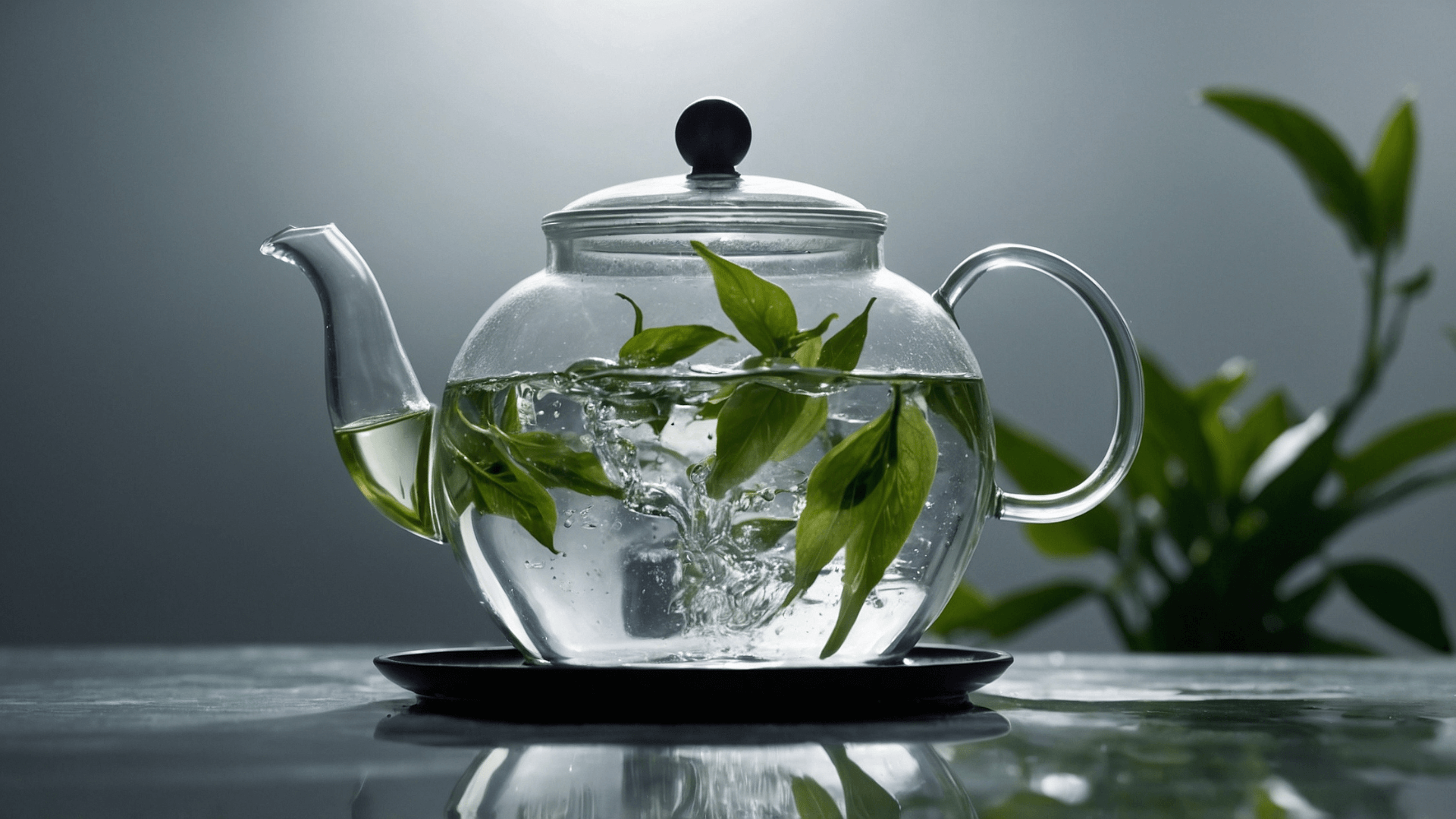
Have you ever wondered why some green teas taste smooth and fresh, while others carry a rich bean-like aroma that lingers on your tongue? If you have, then you’ve already started walking the path toward understanding Long Jing tea—also known as Dragon Well tea, one of the most famous green teas in China.
This legendary tea isn’t just about flavor; it’s about culture, tradition, and a fascinating balance between freshness and richness. Today, let’s explore the different types of Long Jing tea, what makes each one unique, and how to brew it to bring out its best qualities.

What is Long Jing Tea?
Long Jing (龙井), or Dragon Well tea, is a pan-roasted Chinese green tea that originates from Hangzhou, Zhejiang Province. It has been praised for centuries for its flat, jade-green leaves, delicate nutty fragrance, and smooth, refreshing taste.
What makes Long Jing special is its ability to express different flavors depending on when it’s harvested, where it’s grown, and how it’s brewed.
Some cups taste like tender beans and roasted chestnuts, while others feel as light and sweet as fresh spring water.🍃
The Different Types of Long Jing Tea
When people talk about Long Jing, they often imagine one single taste. But in reality, there are several types, and each has a personality of its own.
1. Pre-Qingming Long Jing (明前龙井)
- Harvest time: Before the Qingming Festival (around April 5).
- Flavor: Delicate, light, and very fresh. Often carries hints of chestnut with a sweet aftertaste.
- Why it’s special: Because it’s picked early in spring, the leaves are tender and packed with freshness.
- Best for: People who love smooth, refreshing green tea that never turns bitter.
👉 If you want a tea that feels like drinking spring itself, Pre-Qingming Long Jing is your pick.
2. Pre-Rain Long Jing (雨前龙井)
- Harvest time: Between Qingming (April 5) and Grain Rain (April 20).
- Flavor: Stronger than Pre-Qingming. This is where the famous “bean fragrance” (豆香) shines. Richer, nuttier, with a little more body.
- Why it’s special: Many tea lovers say this is the “classic” Long Jing taste.
- Best for: Drinkers who want flavor intensity and that roasted-bean quality Long Jing is known for.
👉 If you want a deep, satisfying green tea with bold notes, go for Pre-Rain Long Jing.
3. Summer Long Jing (夏茶龙井)
- Harvest time: After Grain Rain, going into summer.
- Flavor: Strong, bold, sometimes a little coarse. Can be more bitter or astringent if brewed carelessly.
- Why it’s special: It’s much cheaper than the earlier harvests, making it good for daily drinking.
- Best for: People who want an affordable everyday green tea with a punchy character.
4. High-Mountain Long Jing (高山龙井)
- Origin: Tea gardens in higher altitudes of Zhejiang and beyond.
- Flavor: Cooler air slows leaf growth, which leads to sweet, fresh, and smooth flavors.
- Why it’s special: Naturally less bitter, even with longer steeps.
- Best for: Drinkers who like a gentle, clean green tea that stays smooth.
5. West Lake Long Jing (西湖龙井)
This is the most famous and protected origin of Dragon Well tea, coming from the hills around Hangzhou. Within West Lake, the exact village changes the taste:
- Lion Peak (狮峰): Deepest chestnut fragrance, rich and complex.
- Meijiawu (梅家坞): Balanced, smooth, with soft freshness.
- Longjing Village (龙井村): Gentle and elegant.
👉 If you want the “original Long Jing experience,” West Lake Long Jing is the way to go.

Brewing Tips: How to Bring Out the Flavor You Want
The magic of Long Jing isn’t only in the leaves—it’s also in how you brew it.
Here are two approaches depending on the flavor you’re chasing:
🍵 To Highlight the Bean Fragrance (Nuttier, Richer Taste)
- Tea-to-water ratio: 1 gram of tea per 50 ml of water.
- Water temperature: Around 80–85°C (176–185°F).
- Steeping method: Use a glass cup. Add tea leaves first, then pour hot water slowly down the side to avoid burning them.
- Steeping time: 2–3 minutes for the first steep.
👉 This method pulls out the roasted chestnut and bean notes, perfect for Pre-Rain or Lion Peak Long Jing.
🍵 To Highlight the Fresh Sweetness (Smooth, Gentle Taste)
- Tea-to-water ratio: 1 gram of tea per 60–70 ml of water.
- Water temperature: Slightly cooler, 75–80°C (167–176°F).
- Steeping method: Add water first, then gently drop the tea leaves on top so they “dance” in the glass.
- Steeping time: 1.5–2 minutes for the first steep.
👉 This keeps the tea light, crisp, and never bitter, perfect for Pre-Qingming or High-Mountain Long Jing.
Why Long Jing Tea Stands Out
- Unique Processing: Long Jing is pan-roasted by hand, giving its leaves a flat, smooth shape and roasted aroma.
- Cultural Value: It has been listed as a tribute tea to Chinese emperors for centuries.
- Health Benefits: Like other green teas, Long Jing is rich in antioxidants, catechins, and vitamins, which may support metabolism, skin health, and focus.
How to Choose the Right Long Jing for You
- Love rich flavors? → Pre-Rain or Lion Peak Long Jing.
- Want smooth, fresh tea? → Pre-Qingming or High-Mountain Long Jing.
- On a budget? → Summer Long Jing for daily drinking.
- Looking for authenticity? → West Lake Long Jing (especially Lion Peak).

1. FAQ on Health and Benefits
Q: What are the health benefits of drinking Long Jing green tea, and how does its antioxidant content compare to other teas?
A: Long Jing tea is celebrated not only for its flavor but also for its numerous health benefits. As a high-quality, minimally processed green tea, it is rich in antioxidants, particularly catechins like EGCG. These compounds are known for their role in combating oxidative stress and supporting overall wellness. Compared to more oxidized teas like black or oolong tea, Long Jing retains a higher concentration of these antioxidants due to its pan-firing process, which halts oxidation early. Regular consumption is often associated with supporting metabolism, aiding in weight loss efforts, and promoting cardiovascular health. However, its caffeine content is moderate, so it provides a gentler, more sustained energy boost than coffee.
2. FAQ on Brewing Technique
Q: What is the ideal water temperature and steeping time for brewing Long Jing tea to avoid bitterness?
A: The key to a perfect cup of Long Jing tea is using a lower water temperature than you would for black or herbal teas. The ideal water temperature for Long Jing is between 75°C and 85°C (167°F – 185°F). Using boiling water will scorch the delicate leaves, releasing tannins and creating a bitter, astringent taste. For the steeping time, a short infusion of 1 to 3 minutes is sufficient for the first brew. A major advantage of high-quality Long Jing is that it can be steeped multiple times (3-5 infusions). Simply increase the steeping time by 30 seconds to a minute for each subsequent infusion. Using the gong fu method with a gaiwan and more leaves can yield even more nuanced flavors.
3. FAQ on Quality and Selection
Q: How can I identify authentic West Lake Long Jing tea versus other green teas?
A: Identifying authentic West Lake Long Jing (Xi Hu Long Jing) involves looking at a few key characteristics. First, examine the dry leaves: they should be flat, smooth, and spear-shaped with a vibrant, uniform jade-green (or yellowish-green) color, not dull or dark. The aroma should be distinctive, often described as a delicate “chestnutty” or “bean fragrance” (dou xiang). When brewed, the liquor should be a clear, pale yellow-green, and the taste should be smooth, mellow, and slightly sweet, with a lingering fragrance and no harsh bitterness. Always check the origin on the packaging; genuine West Lake Long Jing is specifically from the designated region in Hangzhou, Zhejiang province. “Pre-Qing Ming” (Ming Qian) Long Jing, harvested before the April festival, is considered the highest grade, known for its exceptional tenderness and subtle flavor.

Final Thoughts
Long Jing tea is more than just a drink—it’s a journey through time, place, and season. From the bean-fragrant richness of Pre-Rain tea to the spring-fresh sweetness of Pre-Qingming, each type tells a different story.
By learning how to brew it the right way, you can unlock those flavors and enjoy tea the same way it’s been loved in China for centuries.
So, next time you sip on a cup of Long Jing, ask yourself: Do I want bold bean fragrance, or gentle fresh sweetness today? The leaves will answer if you listen carefully.
Related Post: