
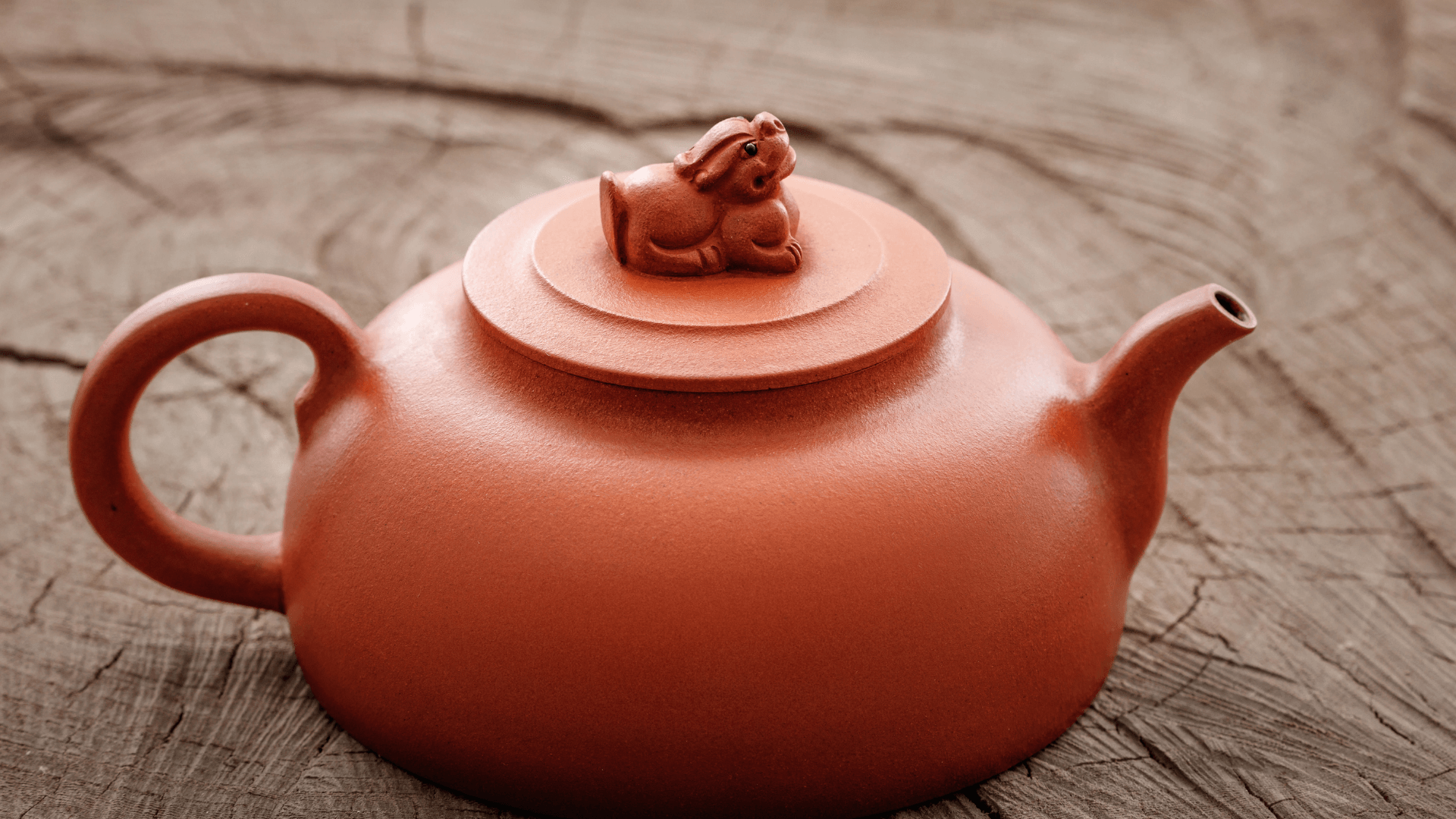
Imagine your favorite, most comfortable pair of shoes. The more you wear them, the more they mold perfectly to your feet, right? Now, imagine a teapot that does the same thing for your tea! The more you use it, the better your tea tastes. This isn’t magic—it’s the wonder of a Zisha teapot.
If you love tea, you’ve heard these unique pots from Yixing, China, called the superheroes of the tea world. But what makes them so special? And how can you, a fellow tea lover, find a real one without getting tricked? Consider this your ultimate guide to becoming a Zisha teapot pro!

What in the World is a Zisha Teapot?
At its heart, a Zisha teapot is a handmade teapot from the Yixing region of China. It’s famous for one key ingredient: Zisha clay, which literally means “purple sand.” This isn’t your ordinary clay. It’s packed with minerals like iron and quartz, and it’s always left unglazed on the inside.
This unglazed, porous clay is the secret sauce. With every brew, the tiny pores in the clay soak up the oils and aromas of your tea. Over time, this builds up a “memory” inside the pot—a process tea lovers call “seasoning.” A well-seasoned Zisha pot can enhance the flavor and aroma of your tea. Brewing tea in a Zisha pot can make each cup smoother and richer than the last. It’s like the pot becomes a loyal friend to your tea leaves!
The Four Secret Signs of a Real Yixing Teapot
This is the big question! With so many fakes out there, how can you tell if a teapot is the real deal? Look for these four signs:
1. The Feel: It Should Be Sandy, Not Slippery.
Run your fingers over the surface. A real Zisha pot should feel slightly gritty or sandy, like very fine sandpaper. If it feels perfectly smooth and slick like glass or regular ceramic, it’s probably fake. The natural, unglazed texture is a key giveaway.
2. The Sound: Listen for the “Clink!”
Gently tap the lid against the body of the pot. A real Zisha will make a crisp, high-pitched clink or ringing sound, almost like a tiny bell. A fake one, often made from low-quality clay or plaster, will make a dull, low thud or clunk.
3. The Fit: The Lid is Snug, Not Stuck.
The lid should fit perfectly into the opening. It shouldn’t wobble when you move it gently. But here’s the cool part: it shouldn’t be air-tight either! Because the clay “breathes,” a perfect seal isn’t the goal. You should be able to move the lid smoothly in a full circle without it catching or falling in.
4. The Pour: A Perfect, Drip-Free Stream.
A master potter ensures the spout and body are designed as one. When you pour, the water should come out in a smooth, steady, arching stream—not too slow without any drips from the spout. It’s a sign of incredible craftsmanship.
But Wait, What About Japanese Teapots?
Great question! While we’re talking about Zisha from China, you might be wondering about teapots from Japan. Japanese tea pots are most commonly called Kyusu (pronounced “kyoo-soo”).
The biggest difference is in the handle! Most Kyusu have a side handle, sticking out from the pot like a baseball pitcher’s arm. They are also usually made from glazed ceramic, which doesn’t season like Zisha clay. They’re fantastic for brewing Japanese greens like Sencha, but they work in a different way. Think of Zisha as a slow-cooker that builds flavor over time, and a Kyusu as a perfect frying pan that gives you a great result every time, but starts fresh.

How to Tell if a Teapot is Valuable
So, when does a teapot go from being just a tool to a treasure? Value comes from a few things:
The Clay: The rarest clay types, like Zhuni (a vibrant orange-red), are the most valuable because they are so hard to find.
The Craftsperson: Is the pot made by a famous master potter? Just like an artist’s painting, a pot made by a well-known artisan can be worth thousands of dollars.
Age & History: A genuine antique teapot from a famous historical period is incredibly valuable.
Workmanship: Look for fine, clean details, a beautiful, original shape, and that perfect pour. The more skill shown, the more valuable the pot.
For most of us starting out, the real value isn’t in the price tag. It’s in finding a true, handmade Zisha pot that we can build a relationship with over a lifetime.

Your First Zisha Pot: A Tea Lover’s Starter Guide
Ready to take the plunge? Here’s how to choose your first pot:
Pick a Shape You Love: Zisha pots come in hundreds of shapes! Round “Pear” shapes are great for Oolong and Pu-erh teas, as they allow the leaves to swirl and unfurl. A simple, classic shape is a great place to start.
Size is Key: Don’t get a giant pot! For solo drinking or sharing with one friend, a 150ml to 200ml pot is perfect. It’s the ideal size for a Gongfu tea session with multiple, short infusions.
The Golden Rule: One Tea, One Pot. This is the most important advice for any Zisha owner. Dedicate your pot to one general type of tea. For example, have one pot just for dark, earthy Shou Pu-erh, and another for roasty Wuyi Oolongs. This prevents the flavors and aromas from getting mixed up and muddled inside your seasoned pot.
Caring for Your New Tea Buddy
Caring for a Zisha pot is simple, but there’s one rule you must NEVER break: NO SOAP! Ever. Soap will seep into the porous clay and destroy all the beautiful seasoning you’ve worked so hard to build, leaving you with a teapot that makes soapy tea!
Instead, just rinse your pot with hot water after each use and let it air-dry completely upside down on a bamboo mat. To clean the outside, just wipe it with a soft cloth while it’s still warm. Over years of use, you’ll see your pot change color and develop a lovely, shiny glow called a patina. This is a badge of honor, showing the world it’s a well-loved and cherished pot.
Your Zisha Teapot Questions, Answered! (FAQ)
Q: What are the four signs of a real Yixing teapot?
A: Feel (sandy, not smooth), Sound (a crisp clink), Fit (snug but not air-tight lid), and Pour (a smooth, drip-free stream).
Q: What are Japanese tea pots called?
A: They are called Kyusu, and they usually have a side handle and are glazed, unlike unglazed Zisha pots.
Q: How can I identify an authentic Zisha teapot?
A: Look for the four signs above! Also, be wary of prices that seem too good to be true and pots that are one perfectly uniform color. Real Zisha has natural color variations.
Q: How can I tell if my teapot is valuable?
A: Value comes from the rarity of the clay (like Zhuni), whether it was made by a famous master potter, its age, and the quality of its craftsmanship.
The First Step on a Flavorful Journey
Starting your Zisha journey might seem a little scary at first, but it’s one of the most rewarding adventures in the world of tea. It’s not about having a perfect, expensive pot from day one. It’s about finding a true pot that speaks to you and watching it—and your tea—transform over time.
So, tell us, what type of tea will you dedicate your first Zisha pot to? Let us know in the comments