
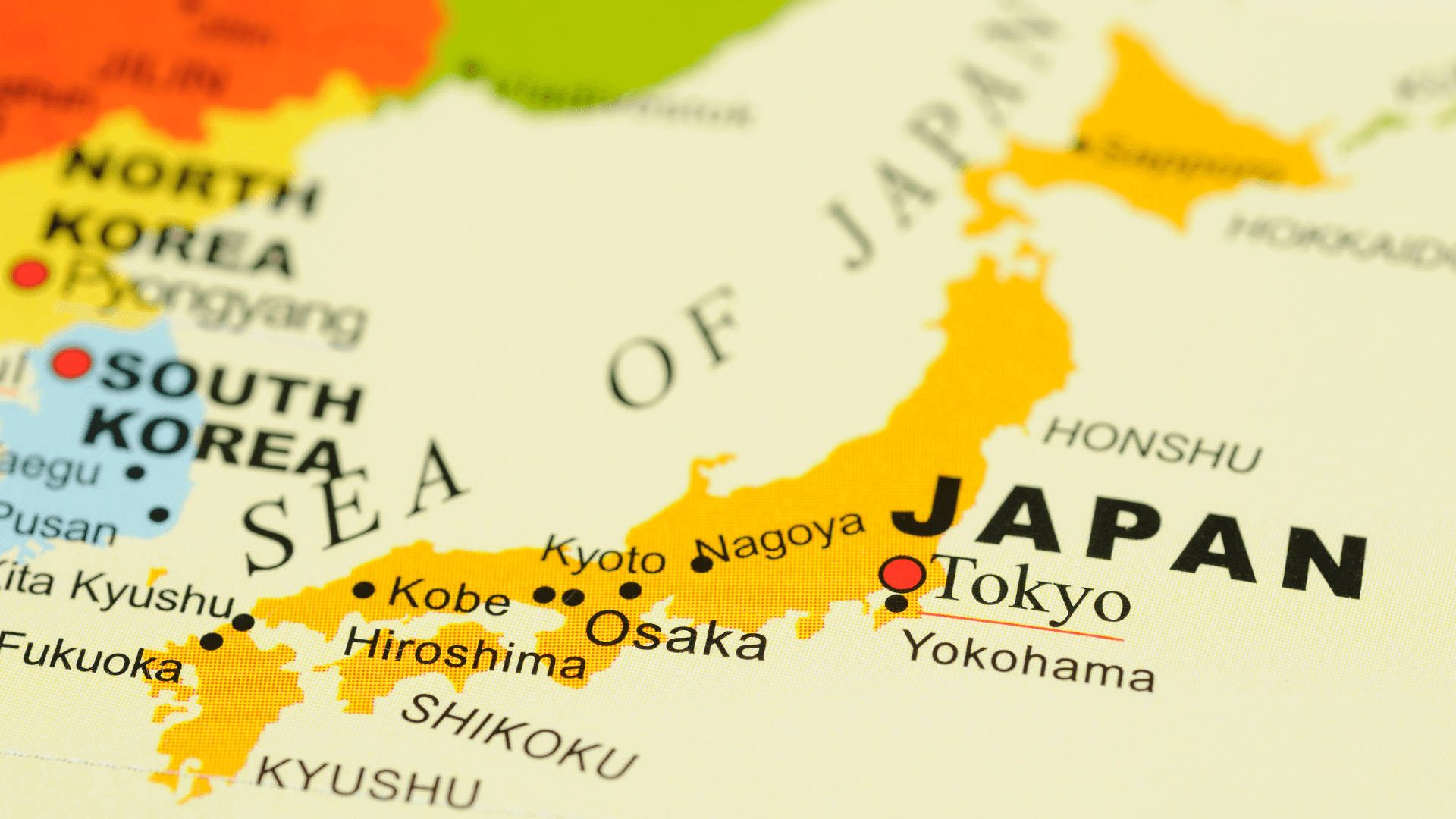
Walking into a centuries-old Kyoto tea shop can be overwhelming. The scent of roasted leaves hangs in the air, and walls are lined with beautiful canisters. While everyone else is asking for matcha, you sense there’s something more—hidden gems that the locals know.
You’re right.
While matcha deserves its fame as the star of the tea ceremony, the true secret to Kyoto’s tea culture lies in the daily brews that tell a deeper story of the region’s seasons, craftsmanship, and everyday life. This is your guide to venturing beyond matcha and discovering the soul of Kyoto, one unforgettable cup at a time.
🗺️ Your Quick Guide to Kyoto’s Teas Beyond Matcha
For the scannable readers, here’s the cheat sheet. Keep reading for the deep dive!
| Tea | Flavor Profile | Best For | Caffeine |
|---|---|---|---|
| Uji Sencha | Grassy, Umami, Refreshing | A daily, sophisticated green tea | Medium |
| Hojicha | Toasty, Nutty, Caramel | Evenings, low-caffeine comfort | Low |
| Genmaicha | Nutty, Savory, Cereal-like | A unique, comforting & hearty cup | Low |
First, Why is Kyoto Tea So Special?
You’ll see the term “Uji Tea” (Uji-cha) everywhere. Uji, a city within Kyoto Prefecture, has been Japan’s tea capital for nearly 1,000 years. The misty hills, perfect soil, and temperate climate create an ideal environment for growing tea.
But it’s not just the terroir; it’s the craftsmanship. Kyoto’s tea farmers are custodians of generations of knowledge, refining processing methods into an art form. When you buy a tea from a Kyoto producer, you’re not just buying a beverage—you’re buying a piece of this living history. This is what makes even their “everyday” teas extraordinary.

1. Uji Sencha: Kyoto’s Elegant and Everyday Green Tea
If Matcha is the formal, powdered tea for ceremony, Uji Sencha is the refined, loose-leaf tea for daily appreciation. It’s the most popular tea in Japan, and Uji produces some of the finest, most nuanced Japanese green tea in the world.
What It Is:
Sencha is made by steaming the tea leaves to prevent oxidation, then rolling and drying them. This preserves their needle-like shape and creates a clear, yellow-green liquor when brewed. Uji Sencha is prized for its perfect balance of umami (savory sweetness), a hint of astringency, and a refreshing, invigorating aroma.
The Flavor Profile:
Forget any bitter, generic green tea you’ve tried. A high-quality Uji Sencha is a symphony in a cup. Expect a delicate, grassy sweetness reminiscent of fresh-steamed asparagus or young peas, followed by a clean, palate-cleansing finish. The scent alone is like a spring morning.
How to Brew the Perfect Cup:
Precision is key to unlocking its delicate flavors. Use cooler water than you think!
- Tea: 1 tablespoon (approx. 4-5 grams) per 180ml (6 oz) of water.
- Water Temperature: 70-80°C (158-176°F). Let boiling water cool for 1-2 minutes.
- Steep Time: 60-90 seconds for the first infusion. You can get 2-3 infusions from the same leaves.
Your Kyoto Sencha Mission:
Skip the pre-packaged tea bags. Head to legendary merchants like Ippodo Tea Co. near the Imperial Palace. Ask for their mid-range Sencha and watch them package it fresh for you.
- Useful Japanese Phrase: Point to a sencha and say, “Kore o onegaishimasu” (This one, please).
2. Hojicha: Kyoto’s Roasted and Low-Caffeine Invention
As evening falls over the cobbled streets of Gion and the lanterns glow, you might crave a warm, comforting cup that won’t keep you up all night. Enter Hojicha, a beloved roasted Japanese tea that was invented in Kyoto in the 1920s.
What It Is:
Hojicha is made by roasting green tea leaves (often Bancha or Sencha) over high heat. This process transforms the leaves from green to a reddish-brown and drastically reduces their caffeine content. The result is a tea that is as much about comforting aroma as it is about flavor.
The Flavor Profile:
The roasting process creates a warm, toasty, and nutty flavor profile, with distinct notes of caramel and even a subtle, creamy sweetness. It has almost no bitterness, and its soothing, popcorn-like aroma fills the room. It’s the perfect low-caffeine tea for after dinner, for children, or for anyone sensitive to caffeine.
How to Brew It:
Hojicha is forgiving and hard to over-brew, making it a fantastic beginner tea.
- Tea: 1 tablespoon per 180ml of water.
- Water Temperature: Use water just off the boil (95-100°C / 200-212°F). The robust flavors need the heat.
- Steep Time: A quick 30 seconds is all it needs.
Your Kyoto Hojicha Mission:
For the authentic experience, order a cup at a traditional kissaten (coffee shop). When buying, look for Hojicha from a specific Kyoto producer—the quality of the roast will be noticeably smoother.
- Useful Japanese Phrase: “Hojicha o kudasai” (Hojicha, please).

3. Genmaicha: The Savory Blend of Tea and Toasted Rice
Genmaicha is the most whimsical and satisfying tea on our list. It’s a beautiful fusion of two Japanese staples: tea and rice, creating a truly unique toasted rice tea.
What It Is:
Genmaicha is a blend of green tea (often Sencha or Bancha) and roasted brown rice. Some rice grains “pop” during roasting, resembling popcorn. Historically, it was a drink for the common people, as the rice acted as a filler to make expensive tea leaves last longer. Today, it’s beloved by all for its unique, comforting character.
The Flavor Profile:
This is a tea that tastes like a warm, cozy hug. The green tea provides a fresh, grassy base, while the roasted rice adds a deep, nutty, and slightly savory flavor. It’s hearty, smooth, and has a satisfying, cereal-like quality. The Kyoto twist? Using high-quality Uji Sencha as the base, which creates a more refined and balanced cup.
How to Brew It:
Treat it similarly to Sencha, but with a little more flexibility.
- Tea: 1 tablespoon per 180ml of water.
- Water Temperature: 80-85°C (176-185°F).
- Steep Time: 60 seconds. Over-steeping can bring out bitterness.
Your Kyoto Genmaicha Mission:
The tea shops in Nishiki Market are a great place to find unique blends—you can often smell the toasty aroma before you see the tea! Look for bags labeled “Uji Sencha Genmaicha” for a superior version.
- Useful Japanese Phrase: “Oishii desu!” (It’s delicious!) – a great phrase to use after your first sip.

Your Kyoto Tea Adventure Awaits
Kyoto’s tea culture is a deep, quiet river flowing alongside the bustling modern city. By exploring beyond matcha, you connect with the daily rhythms and culinary soul of this ancient capital.
Your Final Action Plan:
- Visit a Specialist: Go to Ippodo or a similar merchant. Don’t be shy—ask for a tasting.
- Cafe Hop: Order a pot of Sencha in a quiet kissaten or a Hojicha latte in a modern salon.
- Bring it Home: The best souvenir is vacuum-sealed tea from a specialist shop. Buy a small kyusu (teapot) to brew it authentically at home.
Stepping beyond matcha isn’t just about trying new drinks—it’s about understanding the depth and soul of Kyoto itself, one comforting, toasty, or refreshing cup at a time.
Related Post: