
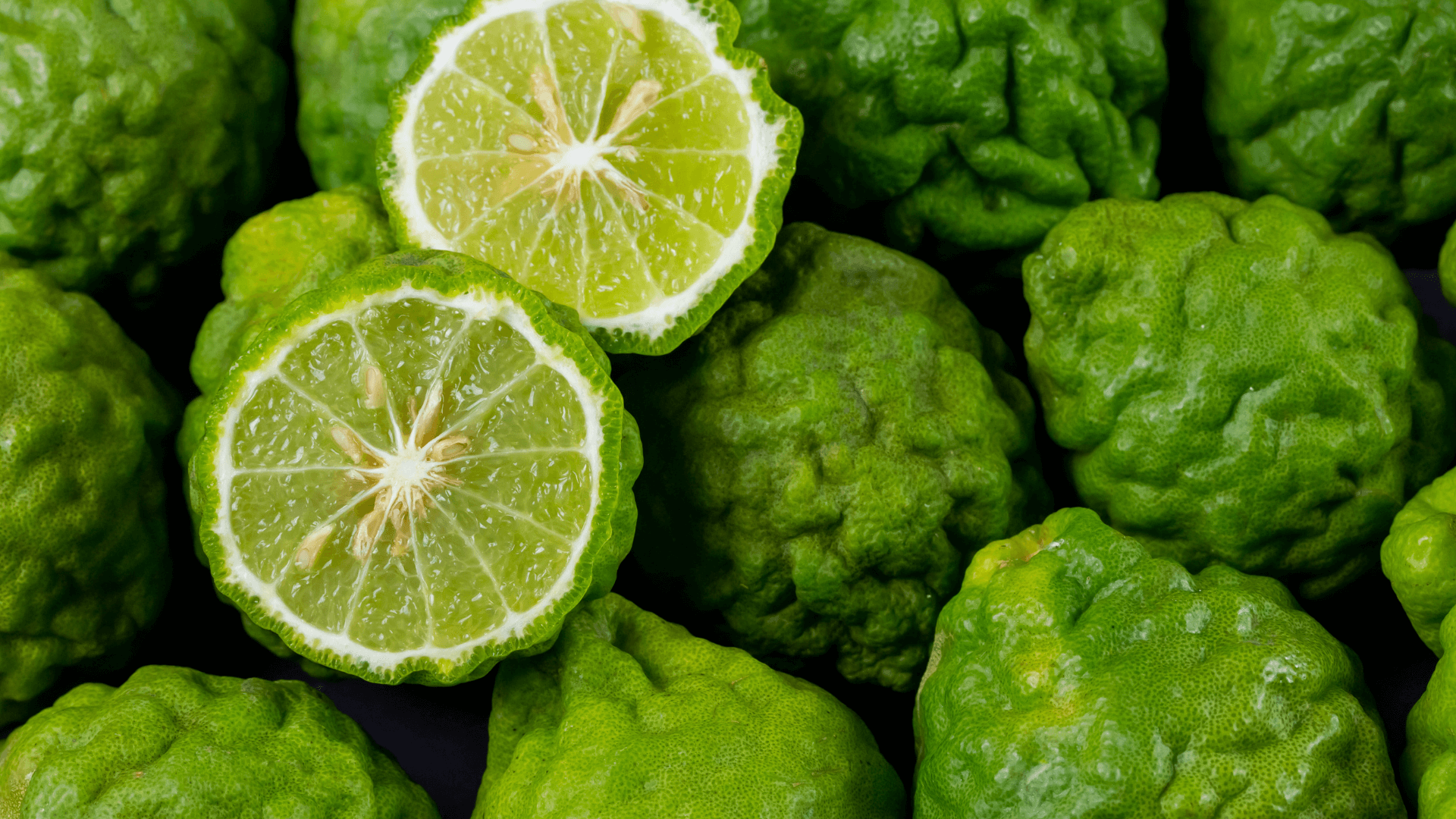
Many people hear “bergamot tea” and only think of Earl Grey. That famous citrus scent is just the beginning. Bergamot tea is a whole world of flavor and wellness. It can be a classic black tea or a caffeine-free bergamot herbal tea. Let’s explore it all. This is the best bergamot tea guide for beginners.
What is Bergamot? The Core Difference
Bergamot is two different things. This is key to understanding.
First, the Bergamot Orange. This is a citrus fruit. It looks like a small, yellow-green orange. It grows mostly in Italy. Oil from its peel flavors Earl Grey tea. This oil is also used in perfume.
Second, the Bergamot Herb (Bee Balm). This is a North American plant with red flowers. Its leaves make a minty, herbal tea. This is not the same as the citrus in Earl Grey. Knowing this helps you find where to buy the right bergamot orange tea or herbal blend.

Bergamot Tea at a Glance: Key Facts
Here’s a quick table to summarize the main types and facts about bergamot tea:
| Aspect | Earl Grey Tea (Citrus Bergamot) | Herbal Bergamot Tea (Bee Balm/Monarda) |
|---|---|---|
| Source | Oil from the rind of the bergamot orange fruit. | Leaves & flowers of the North American Monarda plant. |
| Base | Typically black tea (sometimes green or white). | Purely herbal; no tea leaves. |
| Caffeine | Yes (unless decaffeinated black tea is used). | No, naturally caffeine-free. |
| Primary Flavor | Bright, floral, citrusy, sometimes bitter. | Minty, earthy, with mild citrus notes. |
| Key Benefit | Uplifting aroma; antioxidants from tea. | Soothing for throat & digestion; relaxing. |
| Brewing Temp | Just off boil (~200°F / 93°C). | Full rolling boil (212°F / 100°C). |
| Steep Time | 3-4 minutes. | 5-10 minutes. |
The Story of Earl Grey Tea and Its Family
Earl Grey is the most famous. It is black tea scented with bergamot oil. The story says a British prime minister in the 1800s gave it its name.
But what is the Earl Grey vs Lady Grey tea difference?
- Earl Grey: The classic. Strong bergamot and black tea.
- Lady Grey: A lighter version. It has extra citrus peel like orange or lemon. It’s often a best afternoon tea blend.
- Earl Green or White: Uses green or white tea instead of black. The flavor is softer.
- Herbal “Bergamot” Tea: Made from the Bee Balm plant. A caffeine-free drink with benefits for digestion.
What Does Bergamot Tea Taste Like?
The taste depends on the type.
- Earl Grey (Citrus): Bright, floral, like lemon but more complex. It can be slightly bitter if over-brewed.
- Herbal Bergamot (Bee Balm): Minty, earthy, with a hint of citrus. It’s milder.
This unique taste makes it a top choice for calming teas for anxiety and stress.

Health Benefits: Why People Drink It
People choose bergamot tea for many health benefits of Earl Grey tea and herbal versions.
Earl Grey (Bergamot Orange) Benefits:
- Mood and Focus: The smell is calming. It can reduce stress. This is why it’s a popular calming tea.
- Antioxidants: Fights cell damage from your daily life.
- Heart Health: Some studies show bergamot extract may help cholesterol. The tea has a small amount. It is not strong medicine.
Bergamot Herb (Bee Balm) Benefits:
- Sore Throat Relief: This herbal tea can soothe a sore throat.
- Digestion: It may help with an upset stomach. These are the benefits of bee balm tea for digestion.
- Caffeine-Free: A good best afternoon tea choice that won’t keep you up.
A Key Safety Note
Bergamot oil can make skin sensitive to the sun. This is only if you put the oil directly on your skin. Drinking tea is safe.
Many ask, “is bergamot tea safe during pregnancy?” It is usually fine in moderation. But always check with your doctor first. If you take prescription drugs, talk to your doctor. Large amounts can affect some medications.
How to Make Bergamot Tea at Home (The Perfect Cup)
Making great tea is easy. Avoid a bitter Earl Grey tea with these steps. This is a simple bergamot tea recipe.
- Start with Quality: Choose good loose-leaf tea. Organic bergamot tea brands often have the best flavor. This is a great gift for Earl Grey tea lovers too.
- Heat Your Water Right: This is crucial. For Earl Grey, use water just before it boils (about 200°F). This is the best tea kettle temperature for bergamot tea. Boiling water makes it bitter. For herbal tea, use fully boiled water.
- Steep Properly: Steep Earl Grey for 3-4 minutes. Steep herbal tea for 5-10 minutes. Use a timer.
- Enjoy Your Creation: Taste it plain first. Then, try what to mix with Earl grey tea. A dash of honey or milk is classic. Milk makes it creamy and smooth.

Beyond the Cup: Related Bergamot Products
Love the smell? It’s in many other products.
- Bergamot Essential Oil: A drop in a diffuser freshens a room. You can use bergamot essential oil for tea blending at home (use just a tiny, food-grade drop!).
- Skincare: Found in facial mists. It is good for oily skin. Remember to avoid sun after use.
- Perfume and Candles: Bergamot is a common top note in perfume. It makes a clean, fresh smell for candles.
- Food: It flavors fancy marmalade and dark chocolate.
Final Thoughts: Your Personal Bergamot Journey
So, where does this leave us? After exploring the sunlit groves of Calabria and the native fields of bee balm, one truth stands clear: bergamot tea is far more than a single beverage. It is a versatile experience, waiting to be tailored to your moment, your mood, and your personal taste.
Think of it this way: Bergamot tea is a simple pleasure, but it is a pleasure with remarkable depth. Its story is written in two distinct chapters—the vibrant, uplifting citrus of the Earl Grey family and the gentle, grounding herbal whisper of Monarda. One connects you to centuries of tradition and cosmopolitan elegance; the other roots you in earthy, herbal wisdom. The beauty is that you don’t have to choose just one. Your cabinet can hold both.
This journey isn’t about finding the “best” tea, but about discovering what serves you best. Are you seeking a morning lift to sharpen your focus? The bright, aromatic kick of a well-brewed Earl Grey might be your ally. Need a calming evening ritual to unwind after a long day? A steaming mug of caffeine-free bergamot herb (bee balm) tea could be your perfect companion. Perhaps you’re experimenting with unique flavor pairings, adding a drop of honey to your Earl Grey or a slice of ginger to your herbal blend. The possibilities are part of the fun.
Your exploration is the most important step. Your personal journey with bergamot starts the moment you decide to explore. Don’t be afraid to start small. Pick up a sample of a classic Earl Grey from a reputable brand. Visit a local tea shop and ask if they carry loose-leaf bee balm. Pay attention to how each one makes you feel. Do you love the bold, fragrant perfume of the citrus? Or do you prefer the softer, more medicinal comfort of the herb?
So, put the kettle on. Listen for that gentle whistle. It’s not just water heating up—it’s an invitation. An invitation to slow down for a few minutes, to engage your senses, and to pour yourself a cup of something truly special. Whether it’s the sophisticated comfort of a timeless Earl Grey or the humble, herbal solace of bee balm, your perfect cup is out there, waiting to be found. The path to discovering it is simply to begin.
Ready to take the next step? Start by looking for organic bergamot tea brands with transparent sourcing, either online or at a trusted local shop. Purchase a small amount first. Brew it with care, following the simple guidelines for temperature and time. Sit with it. Taste it. Let that be your guide. Your perfect cup isn’t a destination; it’s a delightful, ongoing discovery.
Related Posts