
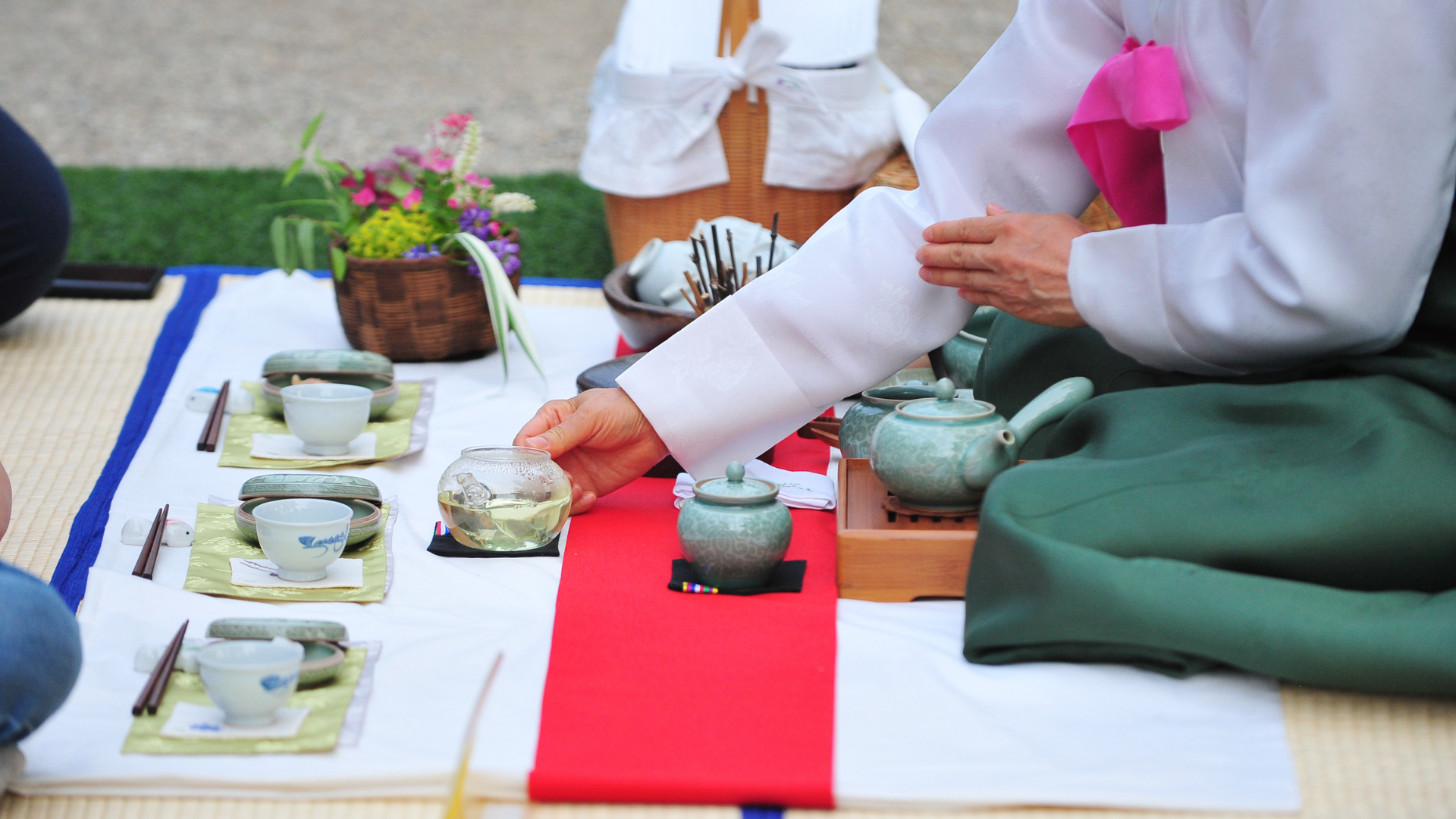
Have you ever looked at a map and seen a place that feels like a secret? Jeju Island, off the coast of South Korea, is one of those places. It’s a land of volcanoes, gentle winds, and unbelievably clear blue water. Most people know Jeju for its beautiful green tea. But that’s just the start of the story.
Jeju has a whole secret language of tea. This language isn’t spoken with words. It’s tasted. It’s made from fruits, leaves, and berries you won’t find anywhere else. These aren’t just drinks. They are cups of the island’s history, its weather, and its people’s wisdom.
Forget what you know about tea for a moment. Let’s go on a tasting adventure. Let’s explore the incredible, unique tea lexicon of Jeju Island.

The Famous One: Jeju Green Mandarin Tea
We have to start with the island’s superstar. Imagine a tiny, green mandarin orange, picked from a tree warmed by the sun and cooled by the sea breeze. This isn’t the sweet orange you peel for a snack. It’s tangy, bright, and packed with power.
These special green mandarins are harvested young. They are sliced and dried whole or made into a delicious marmalade. When you brew it, the tea is a sunny yellow color. It smells clean and citrusy, like a spring morning.
Why it’s special: This tea is famous for being full of vitamin C. It’s like a shield for your immune system. But it’s also incredibly versatile. You can drink it hot to feel cozy. You can pour it over ice for the most refreshing summer drink. You can even mix the marmalade into yogurt or salad dressing. It’s the taste of Jeju in its most famous form.
The Fermented Wonder: Dolsongi Leaf Tea (Dolsongi Cha)
Now, let’s try something truly unique. Meet the Dolsongi. It’s a native Jeju citrus fruit, bigger and with a thicker, bumpier skin than a lemon. But here’s the twist: this tea isn’t made from the fruit. It’s made from the leaves.
The people of Jeju are masters of fermentation. It’s a way of preserving food and creating amazing new flavors. For Dolsongi Leaf Tea, the leaves are carefully fermented. This process changes them completely. It removes any bitterness and creates a deep, complex taste.
What to expect: The brewed tea has a rich, reddish-brown color. The flavor is smooth, earthy, and deeply comforting. It tastes nothing like a sharp citrus fruit. Instead, it has notes of oak, a little sweetness, and a warm, rounded feel. It’s the tea you want on a quiet, thoughtful afternoon. In Jeju, it’s treasured for being gentle on the stomach and aiding digestion.

The Five-Flavor Berry: Omija Tea (Omija Cha)
Get ready for a taste-bud adventure. “Omija” means “five flavor berry.” And it delivers exactly that. This small, red berry is famous for hitting all five taste notes: sweet, sour, salty, bitter, and pungent (spicy).
The berries are dried and used to make a stunningly beautiful tea. You can brew it hot, but it is most magical as a cold drink.
The taste experience: Your first sip might surprise you. You’ll taste a tart, cranberry-like sweetness first. Then, a hint of saltiness might come through, followed by a very slight, pleasant bitterness. It’s refreshing, complex, and incredibly fun to drink. It’s not a boring, one-note tea! In Korean tradition, Omija is loved for its ability to fight tiredness and help the body cope with stress. It’s a natural energy booster in a cup.
The Sweet Giant’s Brew: Hallabong Tea
Jeju is the home of the Hallabong. It’s a huge, sweet mandarin orange named after Jeju’s famous Halla Mountain. It looks like it has a cute little belly button on top! This fruit is a symbol of Jeju pride. Of course, they make it into a tea.
Hallabong tea is usually made from the dried peel of the fruit or as a sweet, syrupy concentrate. The peel is where the precious oils and flavors live.
Taste profile: If Green Mandarin Tea is the tangy older sibling, Hallabong tea is the sweet, mellow younger one. The flavor is pure, sweet citrus sunshine. It’s less tart and more rounded. It smells absolutely heavenly—like the happiest, sweetest orange you can imagine. It’s the perfect “dessert” tea or a wonderful base for a healthy homemade soda. Just mix a little syrup with sparkling water!
The Winter Comfort: Gotgam Tea (Persimmon Tea)
This might be the most fascinating tea of all. Gotgam means dried persimmon. In late fall, you can see persimmons drying outside homes all over Korea, turning into sweet, chewy treats. In Jeju, they take this a step further.
To make Gotgam Cha, they take several whole dried persimmons and stitch them together, almost like making a little persimmon doll. They hang it in a hot kettle of water. They don’t boil the fruit. Instead, they let the hot steam and water slowly pull out the flavor, color, and sweetness.
What makes it magical: The tea that results is a beautiful, clear amber color. The taste is delicately sweet, with the rich, honeyed flavor of perfect persimmon. It contains no added sugar at all—the sweetness comes straight from the fruit. It’s incredibly soothing. In Korean culture, it’s often given to people who aren’t feeling well. It’s a warm, nourishing hug in a cup. It represents care, patience, and the simple magic of natural sweetness.
How to Explore Jeju’s Tea Lexicon
You might be wondering, “How can I try these amazing teas?” You don’t have to fly to Jeju to start your journey (though it’s a wonderful trip!).
- Find a Specialized Korean Grocer: A large Korean supermarket or an online Korean food store is your best bet. Look in the tea aisle or the honey/jam section.
- Search Online: Try searching for “Jeju Green Mandarin Marmalade,” “Omija Tea,” or “Korean Persimmon Tea.” Many specialty retailers ship worldwide.
- Start with One: Pick the one that most intrigues you. Love sweet things? Try Hallabong. Want an adventure? Go for Omija. Need something soothing? Look for Gotgam.
- Brew it Right: Follow the basic instructions. Most of these teas are very forgiving. Steep them in hot (but not boiling) water for 3-5 minutes. For the marmalades or syrups, just stir a spoonful into hot or cold water.
A Final Sip of Wisdom
Jeju’s teas are more than just flavors. Each one tells a story.
- Green Mandarin Tea tells the story of sunny orchards.
- Dolsongi Leaf Tea tells the story of patience and traditional fermentation.
- Omija Tea tells the story of a berry that holds the entire flavor universe.
- Hallabong Tea tells the story of Jeju’s proud, sweet signature fruit.
- Gotgam Tea tells the story of winter comfort and grandmotherly care.
You learn it by sipping, by smelling, and by enjoying. So, take a break from your regular tea or coffee. Explore one of these unique Jeju teas. Let your next cup transport you to an island of volcanoes, ocean winds, and incredible taste. Your taste buds will thank you for the adventure.
Related Post: