
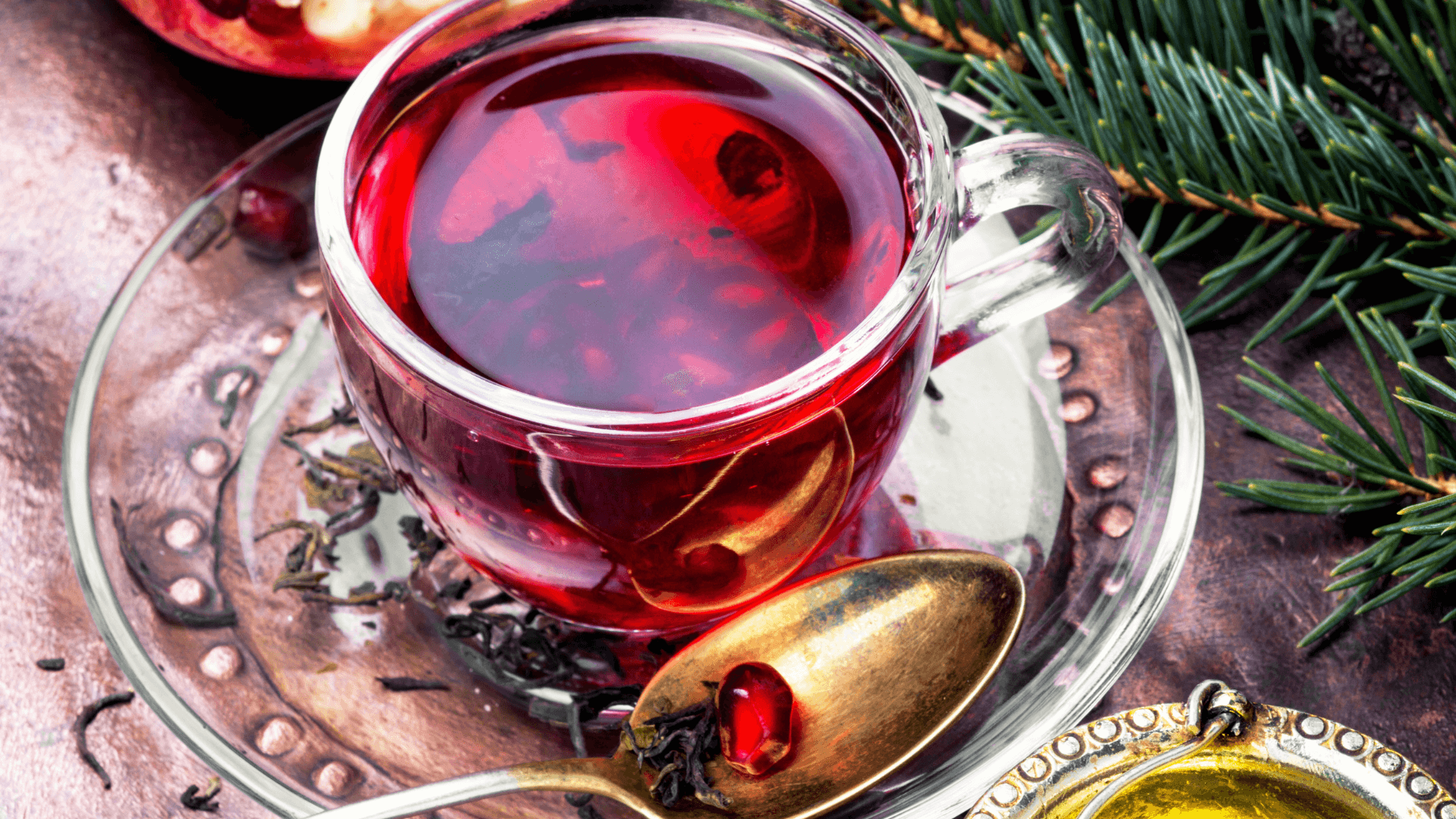
There’s a moment of pure magic in every Persian home. It’s not announced with fanfare, but with a gentle clink of fine glassware and the steady, aromatic steam of a brewing samovar. It’s the moment a cup of deep amber Persian tea is placed before you. More than just a drink, Chai (چایی) is the heart of Iranian culture—a symbol of warmth, connection, and unwavering hospitality.
Perhaps you’ve experienced this at a friend’s house or a local restaurant and wondered, “How can I make tea this good at home?” You might have tried steeping a regular tea bag, only to end up with a pale, bitter imitation. The secret doesn’t lie in a single, mysterious Iranian tea name, but in the method, the quality of the leaves, and a little bit of patience.
This guide will demystify the art of Persian tea. We’ll walk you through the traditional samovar method and a simple stovetop alternative, introduce you to the best Iranian tea brands, and show you exactly where to buy the right Iranian tea leaves to create an unforgettable cup of chai.

What Exactly is Persian Tea?
First, let’s clear up a common misconception. There isn’t a specific tea plant grown only in Iran that produces “Persian tea.” The magic is in the blend and, most importantly, the brewing technique.
Authentic Persian tea is almost always a strong, black tea. Historically, Iranians have sourced their leaves from Sri Lanka (Ceylon) and India. The goal is to create a powerful, concentrated brew that is then diluted with hot water to each drinker’s preferred strength. The ideal cup has a rich, deep amber or reddish color—never dark black or light yellow. It’s robust and flavorful without being unpleasantly bitter, often enjoyed with unique sweeteners like rock candy sugar (nabat)
The Mighty Samovar vs. The Trusty Teapot
To brew authentically, you need to understand the tools of the trade.
The Traditional Powerhouse: The Samovar (ستیزور)
The samovar is the iconic centerpiece of Persian tea culture. This beautiful urn-like vessel has a simple yet brilliant design:
- The Main Chamber: The bottom section is filled with water and brought to a boil.
- The Teapot (Demqoreh – دمقور): A smaller pot sits directly on top of the samovar. This is where you place your loose-leaf tea. The steam and rising heat from the boiling water below gently and slowly brew the tea into a potent concentrate without ever burning the leaves. This indirect heat is the secret to a smooth, rich flavor.
The Modern Simplification: A Stovetop Teapot
Don’t worry if you don’t have a samovar! You can achieve excellent results with a regular stovetop teapot or even a sturdy saucepan. The key is to maintain a very low, gentle heat to simulate the samovar’s slow brewing process.

The Ingredients for Success
You only need a few things, but quality is paramount:
- Loose-Leaf Black Tea: This is non-negotiable. Iranian tea bags are convenient but simply won’t develop the same depth of flavor as high-quality loose leaves. You’ll want a strong Ceylon or breakfast blend.
- Fresh, Cold Water: Always start with fresh water for the best taste.
- Optional Flavor Enhancers: Nabat (rock candy sugar), a few strands of saffron (dissolved in hot water), or cardamom pods.
Method 1: The Authentic Samovar Brew (The Ultimate Guide)
This method is a labor of love, but the result is unparalleled.
- Prepare the Samovar: Fill the main chamber of your samovar with water and bring it to a rolling boil.
- Wake the Leaves: Place your desired amount of loose-leaf tea (about 2-3 tablespoons) into the demqoreh. Briefly rinse the leaves with a splash of cold water. This “wakes” them up for brewing.
- The First Pour: Add just enough boiling water from the samovar to the demqoreh to cover the tea leaves completely.
- Brew with Patience: Place the demqoreh on top of the samovar. The heat from below will now work its magic. Let the tea concentrate brew for at least 45-60 minutes. You’ll know it’s ready when it’s incredibly dark and strong. This concentrate is called joshandeh.
- Serve and Customize: Pour a small amount of the dark joshandeh into your glass (typically about 1/4 of the cup). Then, use the tap on the samovar to fill the rest of the glass with hot water. The beautiful gradient from dark to light is a sign of a perfectly prepared cup. Adjust the tea-to-water ratio to taste.
Method 2: The Simple Stovetop Method (No Samovar Needed)
This is the perfect way to make genuine Persian tea without special equipment.
- Combine and Boil: In a stovetop pot, combine 4 cups of cold water with 3-4 heaping tablespoons of loose-leaf tea.
- Bring to a Simmer: Place the pot on high heat and bring it to a boil.
- Low and Slow: Once boiling, immediately reduce the heat to the lowest possible setting. Let the tea simmer gently for 15-25 minutes. The low heat is crucial to prevent bitterness.
- Rest: Turn off the heat and let the pot sit for another 5 minutes. This allows the flavors to meld and the leaves to settle.
- Serve: Pour the tea through a small strainer into your cup. The result will be a strong brew that you can drink as-is or dilute with a splash of hot water.
The Iranian Art of Serving: More Than Just a Drink
Serving tea in Iran is a ritual. It’s traditionally presented in delicate glass cups (estekan) that allow you to admire the beautiful color. The most common way to sweeten it is with nabat—you hold a crystal of this rock sugar between your teeth and sip the hot tea through it. For special occasions, a few threads of saffron are crushed and added to the tea, creating a luxurious golden hue and exquisite aroma.

Finding the Best Leaves: Iranian Tea Brands and Where to Buy
You’ve mastered the method, now you need the right leaves. Here are some of the most trusted Iranian tea brands and where to find them.
- Golestan: Often considered the premium choice. Their loose-leaf Ceylon tea is exquisite and widely sought after.
- Sadaf: A hugely popular brand in Persian households, known for consistent quality and availability.
- Ahmad Tea: While not Iranian, their English-style Ceylon blends (like “Ceylon Tea”) are incredibly common and used by Iranians worldwide.
- Local Market Blends: Don’t overlook the house blends at your local Persian market. These are often fresh, authentic, and affordable.
Where to Buy Iranian Tea Leaves:
- Locally: Your best bet is to search for “Persian grocery store near me” or “Middle Eastern market.” These stores will have a dedicated tea section with several brands of loose-leaf tea.
- Online: Amazon, Sadaf.com, and other online retailers specializing in Middle Eastern foods are excellent sources if you don’t have a local store.
Frequently Asked Questions (FAQ)
Q: What is the most common Iranian tea name?
A: It’s simply called “Chai” (چایی). The specific types are usually strong black teas, often Ceylon.
Q: Can I use Iranian tea bags?
A: You can, but the flavor will be less robust. If you must use bags, use two per cup and extend the brewing time.
Q: Why did my tea turn out bitter?
A: Bitterness almost always comes from too much heat. You likely boiled the tea too vigorously. Remember: brew on the lowest possible heat for the best results.
Q: How do I make saffron tea?
A: Crush a pinch of saffron threads in a small mortar and pestle. Add a tablespoon of hot water to dissolve it, then stir this potent mixture into your brewed tea concentrate.
The Final Sip
Brewing the perfect cup of Persian tea is an invitation to slow down and savor the moment. It’s a simple yet profound practice that turns a daily routine into an act of connection. So, find your favorite Iranian tea leaves, put the kettle on, and experience a true taste of Persian warmth and hospitality right in your own home. Noosh-e jān! (نوش جان – May it nourish your soul!)
Related Post: