
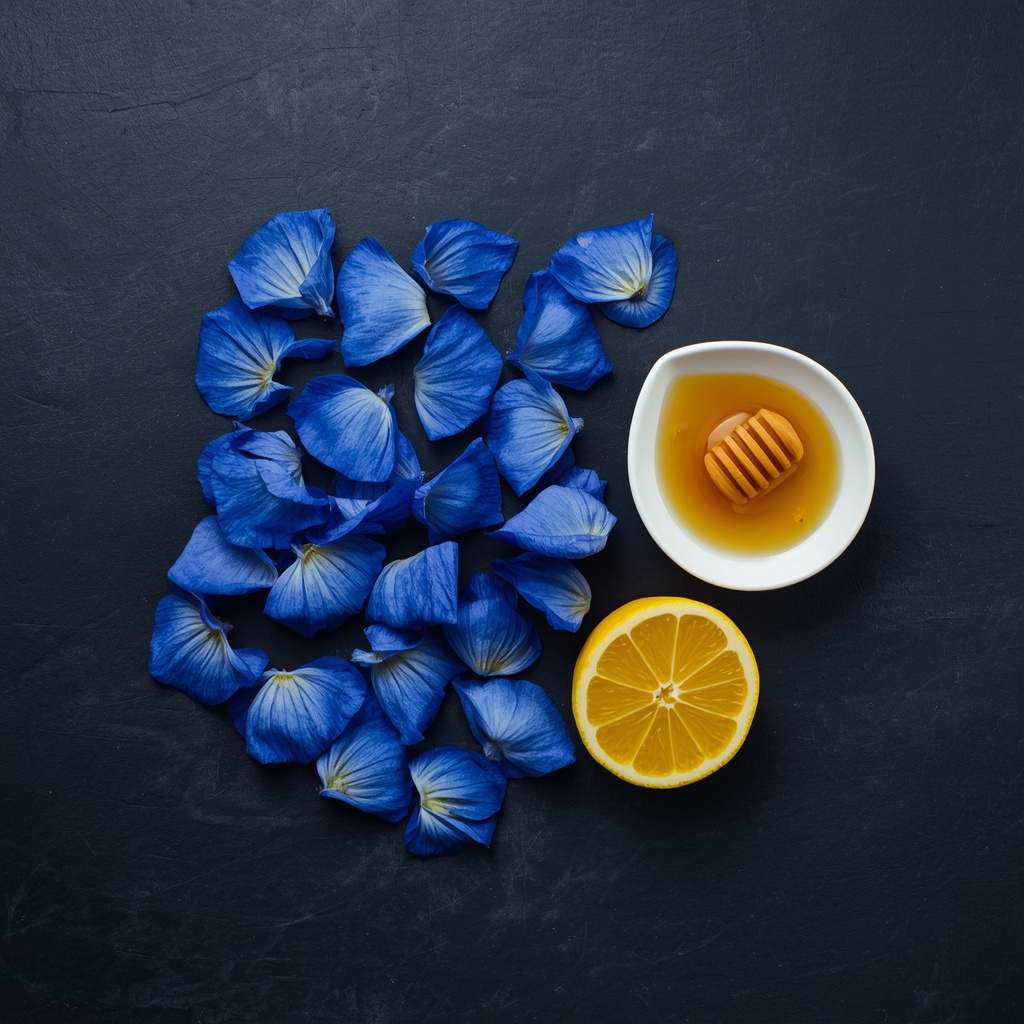
Picture this: you are sitting at a sunlit café, and the barista places a glass mug filled with a liquid of the deepest, most electric cobalt blue before you. It looks like a potion pulled straight from a fantasy novel or a laboratory experiment. Then, you squeeze a fresh wedge of lemon over the mug. As the citrus droplets fall into the liquid, swirls of rich royal purple and vibrant magenta unfurl, transforming the drink entirely before your eyes.
No, it isn’t food dye, and it isn’t a digital camera trick. You have just witnessed the natural wizardry of butterfly pea flower tea.
In recent years, this mesmerizing brew has absolutely conquered social media. From viral TikTok aesthetics to upscale mixology bars and Instagram reels, the world cannot get enough of this shapeshifting botanical. But behind the viral videos lies a deeply rooted plant with a rich history, remarkable health properties, and a fascinating culinary footprint.
Grab a mug, pull up a chair, and let’s dive into everything you need to know about the color-changing tea that is taking over the internet.
What Exactly Is Butterfly Pea Flower?
Despite its sudden rise to global internet stardom, butterfly pea flower is far from a new discovery. Scientifically known as Clitoria ternatea, this striking perennial herbaceous plant belongs to the Fabaceae (pea) family. It is native to tropical Asia, particularly flourishing across Southeast Asian countries like Thailand, Vietnam, Malaysia, and Indonesia, where it has been cultivated for centuries.
The plant is a climbing vine that produces delicate, trumpet-shaped blossoms. The petals feature a unique, intense vivid blue hue with a splash of soft yellow in the center. Because the flower’s shape vaguely resembles a butterfly—and its botanical structure is shaped a certain way—it earned its poetic, whimsical common name.
For generations, communities across Southeast Asia have harvested these blossoms. Once plucked, the flowers are traditionally sun-dried to preserve them, allowing tea lovers to steep them in hot water whenever they desire a burst of deep blue color.

The Chemistry Behind the Magic: How It Changes Color
To understand why butterfly pea flower tea is taking over the internet, we have to look closely at the science happening inside your teacup. The dramatic color shift isn’t just a neat parlor trick; it is a live demonstration of chemical pH levels.
The secret lies in a powerhouse compound called anthocyanins. These are natural, water-soluble pigments found in various fruits and vegetables, responsible for giving blueberries, blackberries, and red cabbages their rich, dark shades. The specific anthocyanins present in butterfly pea flower petals are incredibly sensitive to changes in acidity.
When you steep the dried flowers in plain, neutral water (which usually has a pH level of around 7), the liquid renders a stunning, dark sapphire blue.
However, when you introduce an acidic ingredient, the chemistry changes:
- The Purple Transformation: Squeezing a slice of lemon or lime juice drops the pH level of the liquid. The acid triggers a structural change in the anthocyanin molecules, shifting the color from a deep blue to a gorgeous, royal purple or magenta.
- The Pink Transformation: If you continue to add more acid, lowering the pH even further, the liquid will blush into a bright, deep pink.
- The Green Transformation: On the flip side, if you introduce an alkaline ingredient (something with a high pH, like safflower petals or even a tiny pinch of baking soda), the liquid will magically transition into a pale, earthy green.
This intense, highly visual sensitivity makes butterfly pea flower tea a dream ingredient for content creators, creative baristas, and home brewers looking to add a dash of theatrical flair to their beverages.
What Does It Taste Like?
With a color that striking, your brain might naturally expect a flavor profile to match—perhaps something wildly fruity, intensely sweet, or sharply floral like lavender or hibiscus.
In reality, butterfly pea flower tea is surprisingly understated.
On its own, the flavor profile is incredibly mild, earthy, and woody, bearing a striking resemblance to a light green tea or an unflavored edamame broth. It is smooth, clean, and completely caffeine-free, making it an excellent base for blending.
Because its native flavor is so subtle, it acts as a blank culinary canvas. It absorbs and complements whatever flavors you pair it with, allowing the ingredients you choose—such as lemongrass, mint, ginger, honey, or citrus—to take center stage while the flower provides the dazzling visual effects.
4 Remarkable Health Benefits of the Blue Brew
While the visual appeal is undoubtedly what drives the internet craze, this botanical power player offers far more than just a pretty face. In traditional Ayurvedic medicine and folklore practices, butterfly pea flower has been utilized for centuries to treat a myriad of ailments.
Modern wellness culture is finally catching up to what ancient herbalists always knew. Here are some of the most notable health benefits locked within these blue petals:
1. Loaded with Free-Radical Fighting Antioxidants
As mentioned, butterfly pea flower is brimming with anthocyanins, specifically an antioxidant called delphinidin. Antioxidants are vital for protecting your body against oxidative stress and fighting off free radicals—unstable molecules that damage cells and accelerate aging and chronic illnesses. Sipping on this blue tea helps fortify your body’s cellular defenses from the inside out.
2. Promotes Glowing Skin and Healthy Hair
If you keep a close eye on skincare ingredient lists, you might start noticing Clitoria ternatea extract popping up in serums and creams. The antioxidants in the flower are known to stimulate the natural production of collagen and elastin. These two essential proteins maintain skin elasticity, minimize fine lines, and keep your complexion looking plump and youthful. Furthermore, the flower contains bioflavonoids, which have been shown to strengthen hair follicles and promote healthy hair growth.
3. Supports Cognitive Health and Calm
In traditional medicine, butterfly pea flower is classified as a Medhya Rasayana—a rejuvenating herb that enhances memory, intellect, and cognitive function. Animal studies suggest that the extract may help boost levels of acetylcholine, a crucial neurotransmitter essential for communication within the brain. Additionally, it acts as a natural adaptogen, helping to soothe the nervous system, alleviate mild anxiety, and reduce daily stress levels.
4. Stabilizes Blood Sugar Levels
Emerging research indicates that butterfly pea flower might play a helpful role in managing metabolic health. Some studies show that the antioxidants within the plant can inhibit carbohydrate-digesting enzymes. This means that drinking a cup of the tea alongside a meal could potentially prevent sharp spikes in blood sugar levels, assisting in overall glucose management.

Traditional Roots: How the World Enjoys It
Long before it found a home on TikTok feeds, butterfly pea flower was woven into the fabric of daily life in Southeast Asia.
In Thailand and Vietnam, the dried flowers are often blended with dried lemongrass, honey, and lime juice to create a deeply refreshing, iced herbal beverage known as nam dok anchan. It is the ultimate antidote to a hot, humid afternoon, frequently served as a welcoming drink in spas and hotels.
In Malaysia, the flower’s vibrant blue pigment transcends beverage culture and steps directly into the kitchen. It is an indispensable ingredient in Nasi Kerabu, a traditional dish where white rice is cooked alongside the fresh blue flowers, infusing the grains with an exquisite, naturally blue hue. The striking rice is then piled high with fresh herbs, bean sprouts, fried fish, and local condiments, creating a feast for both the eyes and the palate.
How to Bring the Magic Home: A Simple Step-by-Step Recipe
You don’t need an advanced degree in chemistry or a professional mixology kit to enjoy this internet sensation at home. Procuring dried butterfly pea flowers is easier than ever via online tea merchants or local Asian specialty grocers.
Here is how you can brew your very own color-changing cosmic lemonade right in your kitchen:
Ingredients:
- 1 tablespoon of dried butterfly pea flowers (about 5–8 whole blossoms)
- 1 cup of boiling water
- 1 to 2 tablespoons of raw honey or simple syrup (to taste)
- 2 tablespoons of freshly squeezed lemon juice
- Ice cubes
- Fresh mint leaves for garnish
Instructions:
- The Blue Brew: Place your dried flowers into a glass heatproof mug or measuring cup. Pour the boiling water directly over the petals. Let it steep for 5 to 7 minutes. You will watch the water draw the color from the petals, turning into an opaque, majestic sapphire blue.
- Strain and Sweeten: Strain the liquid through a fine-mesh sieve to remove the spent flower petals. While the tea is still warm, stir in your honey or simple syrup until fully dissolved. Allow the mixture to cool to room temperature.
- Assemble the Glass: Fill a tall, clear glass completely to the top with ice cubes. Pour your cooled blue tea over the ice, filling the glass about three-quarters of the way full.
- The Magic Reveal: Gather your friends, pull out your phone camera, and slowly pour the fresh lemon juice directly over the top of the blue liquid. Watch in awe as the electric blue dramatically shifts into a stunning, layered violet-pink hue. Garnish with a sprig of fresh mint, stir gently, and enjoy!
The Verdict: Is It Worth the Hype?
The internet moves at a breakneck pace, elevating food trends to superstardom one day and forgetting them the next. However, butterfly pea flower tea is a rare trend that genuinely holds its ground.
It effortlessly bridges the gap between fun novelty and wholesome wellness. It provides a striking, completely natural visual aesthetic without relying on artificial additives or harmful dyes, while simultaneously offering a treasure trove of cellular benefits with every single sip.
Whether you are looking to liveness up your morning hydration routine, impress guests at your next dinner party, or simply enjoy a quiet moment of caffeine-free relaxation, this brilliant blue botanical deserves a permanent spot in your tea cabinet.
Nature rarely gives us a spectacle quite as delightful as this. So go ahead, brew a cup, add a squeeze of lemon, and let yourself be enchanted by the color-changing magic.
Related Post: