
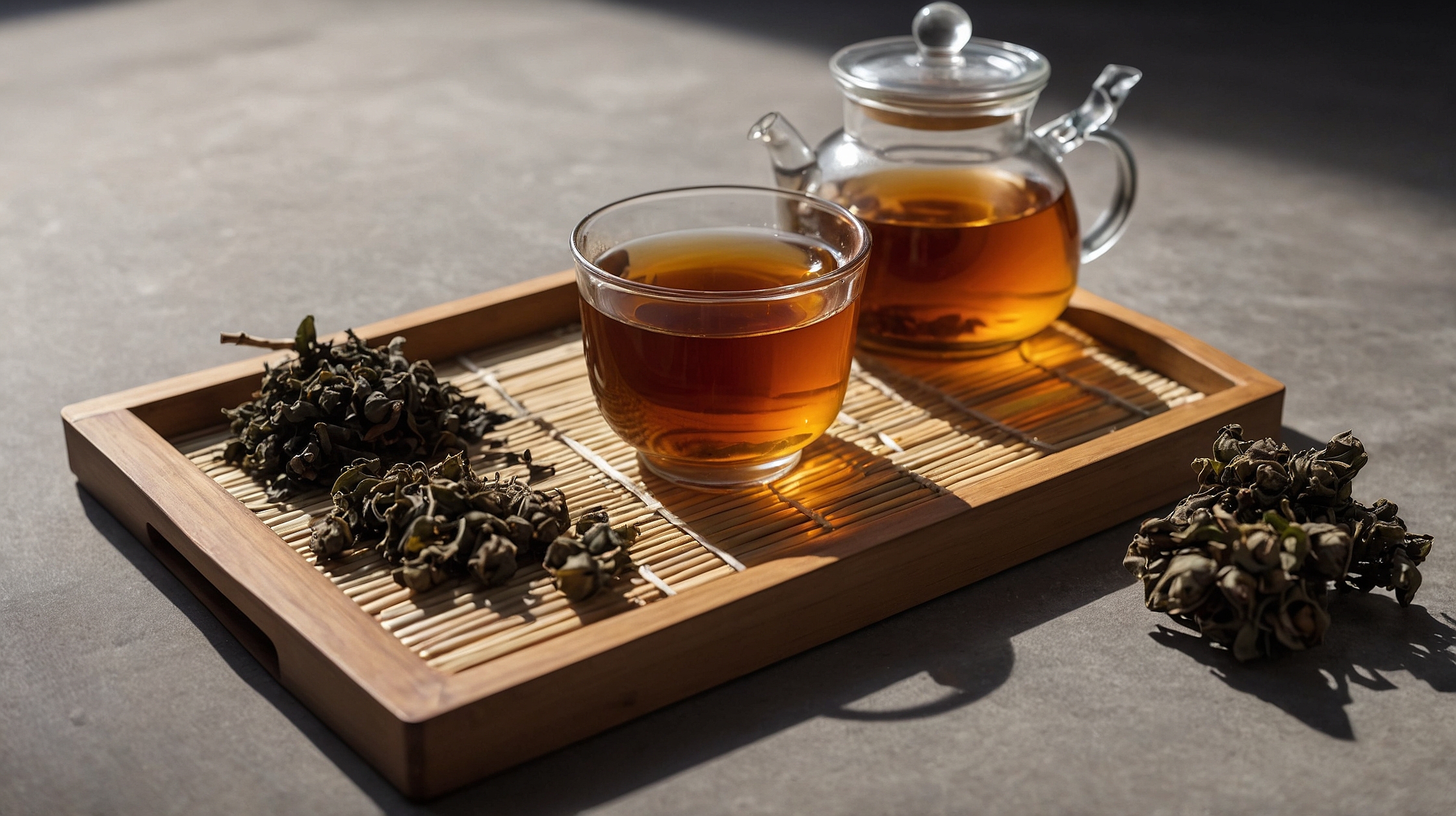
Do your eyes glaze over when you read a tea description that lists flavors like “lychee,” “peat,” or “marzipan”? You take a sip of your own cup and think, “Nope, just tastes like tea.” If the world of formal tea tasting feels intimidating, complex, and maybe even a little pretentious, this is the guide for you.
Let’s clear the air right now: there is no secret club. You do not need a refined palate or years of experience to enjoy and understand the nuances of tea. Those detailed tasting notes aren’t meant to exclude you; they are simply a vocabulary—a set of tools to help you articulate what you’re already experiencing. This guide will demystify the entire process, breaking it down into simple, manageable steps. Consider this your friendly, no-pressure introduction to tasting tea with more confidence.
It’s Not About Being “Right,” It’s About Noticing
The first and most important rule of tea tasting is this: your experience is valid. If you taste something that isn’t listed on the package, that’s not a mistake—it’s a discovery! Tea tasting is a personal journey of noticing, not a test you have to pass.
Think of it like listening to music. You don’t need to know music theory to know you enjoy a song. You might notice the catchy beat first, then later pick up on a cool bassline or a meaningful lyric. Tea is the same. You might first notice that it’s “strong” or “smooth.” Later, you might detect a hint of “something sweet” underneath. That “something sweet” might later become “oh, that tastes like the caramel from a candy bar I had as a kid.”
That’s it. That’s the process. It’s about moving from general impressions to more specific ones, all at your own pace.

The Three-Step, No-Stress Tasting Method
Forget complicated rituals. You can uncover a world of flavor by paying attention in three simple stages. All you need is your tea, a cup, and a moment of focus.
Step 1: Smell – The Biggest Clue
A huge part of “taste” is actually smell. Before you even take a sip, smell your tea twice.
- Smell the Dry Leaves: Before you add water, take a deep breath over the tea leaves or bag. What’s your first impression? Does it smell grassy? Toasty? Sweet like dried fruit? Earthy like the forest after rain? Don’t hunt for specific terms; just describe it in your own words.
- Smell the Steeped Tea: Now, smell the brewed tea. The heat of the water will have unlocked a whole new set of aromas. Is it different from the dry leaf? Is it stronger? Softer? More floral? This step is your biggest preview of the flavor to come.
Step 2: Sip – The Main Event
Now, take a sip. But not a big gulp. Let it sit on your tongue for a second.
- Feel: Before you even think about flavor, notice the body. Does the tea feel:
- Light and delicate (like skim milk)?
- Creamy and smooth (like whole milk)?
- Thick and robust (like cream)?
This texture is a key part of the experience.
- Taste: Now, think about flavor. Ask yourself three simple questions:
- Is it sweet, bitter, or savory? (The basic tastes)
- What does this remind me of? (This is where you find notes! “This bitterness is like dark chocolate.” “This sweetness is like honey.”)
- How does it make my mouth feel? Does it dry out your tongue? That’s astringency (common in black teas). Does it leave a tingly feeling? That’s a characteristic of some peppery oolongs.
Step 3: Sit – The Aftertaste
The story doesn’t end when you swallow. Pay attention to the finish.
- Does the flavor vanish immediately?
- Or does a pleasant taste linger in your mouth? A sweet aftertaste that lasts is often a sign of a high-quality tea.

et’s Practice Together: A Cup of Earl Grey
Earl Grey is a fantastic tea to practice with because its flavor is familiar yet distinct.
- Smell the Dry Leaf: You’ll immediately get a strong, recognizable scent of citrus from the bergamot oil. But go deeper. Does it smell like a sharp lemon peel or a sweeter orange? Can you smell the base black tea underneath? Maybe it’s a little malty, like breakfast cereal.
- Sip the Tea: Notice the body. Earl Grey is often pretty smooth. Now taste. The citrus flavor is front and center, but what kind? Is it zesty and sharp? Is it floral and perfumed? Can you taste the black tea base? Does it provide a robust, slightly bitter backbone that balances the citrus?
- Feel the Finish: After you swallow, what’s left? Is your mouth left feeling clean? Does the citrus flavor linger on the sides of your tongue?
See? You just did a tasting! You moved from “it tastes like Earl Grey” to “it has a sharp citrus aroma, a smooth body with a zesty flavor balanced by a malty base black tea, and a clean finish.”
Building Your Confidence (And Your Flavor Vocabulary)
You don’t need to taste 100 teas to get better. You just need to be curious.
- Use Your Kitchen: The easiest way to build a “flavor memory” is to smell and taste ingredients around your home. Smell real honey, then taste it. Smell a black peppercorn. Taste a dried cherry versus a fresh one. Eat a piece of dark chocolate and let it melt on your tongue. When you encounter these flavors in tea, your brain will make the connection.
- Compare Two Teas: Brew a strong English Breakfast tea and a gentle White Tea side-by-side. The extreme contrast will make it easy to notice differences in color, aroma, strength, and body. This is a crash course in perception.
- Talk to Yourself: It sounds silly, but verbalizing what you taste—even just in your head—solidifies the experience. “Wow, this green tea is really vegetal. It tastes like steamed spinach.” That’s a tasting note!
You’ve Already Demystified It
The barrier to understanding tea tasting notes wasn’t your palate; it was the perception that it had to be complicated. By breaking it down into simple steps of smelling, sipping, and sitting with your tea, you’ve already unlocked the process.
There is no final exam. The goal is simply to enhance your enjoyment and find more connection to your daily cup. So the next time you make tea, take just one extra moment to smell it deeply before you drink. Notice one thing about how it feels in your mouth. You’re not just drinking tea anymore—you’re tasting it. And you’re already great at it.
Related Post: