
Introduction: A Surprising Delicacy of Beans and Jelly
Imagine a dessert that is simultaneously firm and delicate, sweet but not cloying, with a deep, earthy flavor that feels both ancient and sophisticated. This is the unique appeal of yōkan from Japan and yanggaeng from Korea. Often described as a “bean jelly,” these confections are a cornerstone of East Asian sweets, transforming simple, wholesome ingredients like red beans and agar into an art form.
Far from the wobbly, fruit-flavored jellies known in the West, yōkan and yanggaeng offer a dense, satisfying texture and a complex flavor profile that is perfectly designed to be enjoyed with tea. This guide will be your deep dive into this captivating culinary world, exploring everything from their surprising origins to the best way to savor a slice today.
What is Red Bean Jelly? Defining Yōkan and Yanggaeng
At its heart, this dessert is a set paste made from a few core components:
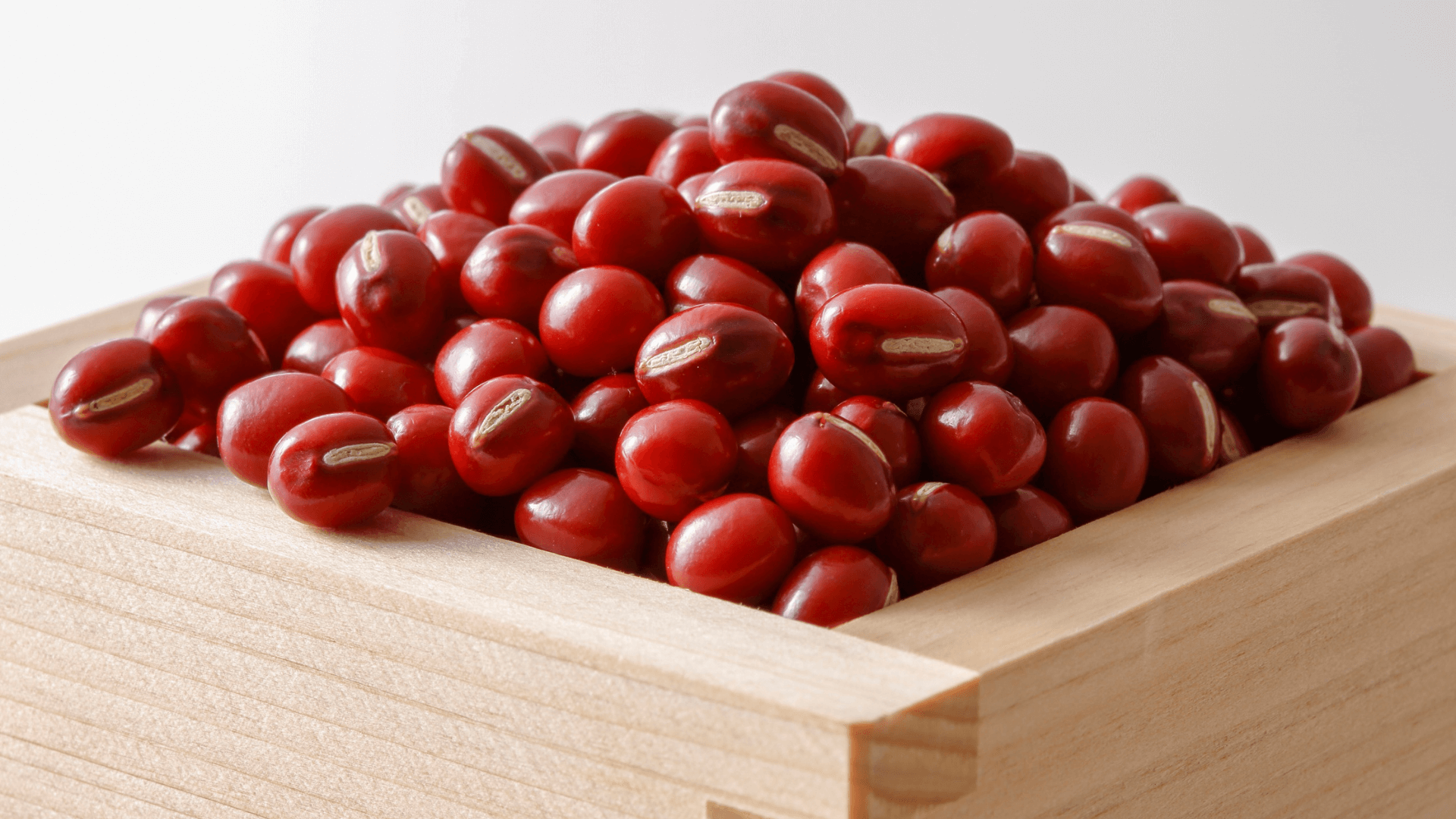
- Red Bean Paste (Anko): The soul of the treat, made from adzuki beans that are boiled, sweetened, and mashed. This provides a distinctive, earthy, and subtly sweet base.
- Agar-Agar (Kanten): A vegetarian gelling agent derived from red algae. This is what gives the dessert its unique, firm-yet-tender texture that cleanly melts in your mouth, unlike gelatin.
- Sugar: Used to balance the earthiness of the beans, with types varying from Japanese white sugar to Korean oligosaccharide syrup.

The mixture is heated, poured into a rectangular mold, and allowed to set. It is then sliced into elegant, dense blocks that can be translucent or opaque, often showcasing beautiful embedded ingredients.
While they share a similar origins, centuries of cultural adaptation have shaped them into distinct experiences. The table below breaks down their key characteristics.
| Feature | Japanese Yōkan | Korean Yanggaeng |
|---|---|---|
| Philosophy | Refinement and subtlety. A tea ceremony sweet emphasizing seasonality. | Comfort and hearty satisfaction. A popular, adaptable snack. |
| Primary Texture | Dense, very smooth, and firm. A clean, uniform cut. | Softer, creamier, and often grainier or packed with add-ins. |
| Flavor Profile | Subtle, refined, not overly sweet. The pure adzuki bean flavor is central. | Richer, sweeter, and more robust. Often has a distinct creamy or dairy note. |
| Key Add-ins | Whole chestnuts, sweet potatoes, persimmons, matcha. | Walnuts, almonds, raisins, pumpkin seeds, whole beans. |
| Serving Context | With matcha in a ceremony; as a high-end wagashi with green tea. | As an everyday snack, in lunchboxes, or from street market vendors. |
From Savory Soup to Sweet Staple: The History and Origin of Yokan and Yanggaeng
The story of this dessert begins with a culinary paradox. The name “yōkan” (羊羹) is written with Chinese characters that literally mean “sheep soup.” During the Tang Dynasty, this was a savory, gelatinous soup made from mutton. Buddhist monks brought this concept to Japan, but faced a problem: their vegetarian precepts forbade meat.
Their ingenious solution was to substitute the animal gelatin with kanten (agar-agar), a substance made from seaweed, and the mutton with sweetened red bean paste. This transformation from a hearty soup to a delicate sweet is a landmark in Japanese culinary history.
As sugar became more available in Japan’s Edo period, yōkan evolved into the beloved confection we know today, becoming a star of wagashi (traditional Japanese sweets) designed to complement bitter matcha.
Yanggaeng’s journey in Korea is more recent. It was introduced during the Japanese colonial period but truly found its own identity after the Korean War. During a time of scarcity, resourceful Korean confectioners stretched the expensive red bean paste by adding more accessible ingredients like nuts, raisins, and dairy. This innovation created a uniquely Korean version—softer, sweeter, and packed with texture—that resonated deeply with the public and became a beloved everyday treat.

A Connoisseur’s Guide to Types of Yokan and Yanggaeng to Try
The diversity within this dessert category is astounding. Here’s a roadmap to the most common and delightful varieties.
Japanese Yōkan Varieties:
- Neri Yōkan: The standard, most common type. The bean paste is strained to an ultra-fine consistency, resulting in a dense, smooth, and elegant bar.
- Mizu Yōkan (Water Yōkan): Contains more water, making it softer, more translucent, and refreshing. It is almost always served chilled and is a staple of Japanese summers.
- Mushi Yōkan (Steamed Yōkan): A softer, cake-like version that is steamed, giving it a uniquely moist and delicate texture.
- Ingredients-Based Varieties:
- Kuri Yōkan: Features a whole, marinated chestnut embedded in the center—a classic symbol of luxury.
- Matcha Yōkan: Incorporates high-quality matcha green tea powder, offering a vibrant color and a pleasant, bitter contrast.
- Goma Yōkan: Made with black or white sesame paste, providing a nutty, toasty flavor profile.
Korean Yanggaeng Varieties:
- Classic Red Bean Yanggaeng: The base model, but typically creamier and less strained than its Japanese counterpart.
- Nut and Fruit Yanggaeng: The iconic Korean style, generously loaded with walnuts, almonds, raisins, and pumpkin seeds for a delightful crunch.
- Creamy/Milk Yanggaeng: Explicitly adds milk, cream, or milk powder, creating a richer, almost fudgy texture and a milder bean flavor.
- Sweet Potato Yanggaeng: Incorporates mashed Korean sweet potato (goguma), giving it a vibrant color and a naturally sweet, hearty flavor.
The Art of the Pairing: Best Tea to Pair with Yokan and Yanggaeng
The traditional way to enjoy these desserts is with tea. The bitter, astringent, and aromatic qualities of tea provide a perfect counterbalance to the sweet, earthy richness of the bean jelly, cleansing the palate between bites.
Perfect Pairings for Japanese Yōkan:
- Matcha (Powdered Green Tea): The ultimate ceremonial pairing. The intense, umami-rich bitterness of matcha cuts through the sweetness of the yōkan, creating a profound harmony.
- Sencha (Steeped Green Tea): For a daily pairing, sencha’s grassy, vegetal notes complement the earthy adzuki bean without overwhelming it.
- Hojicha (Roasted Green Tea): The warm, nutty, and caramel-like flavors of hojicha are a wonderful match, especially for chestnut or plain yōkan. Its low caffeine makes it perfect for evening enjoyment.
Perfect Pairings for Korean Yanggaeng:
- Nokcha (Korean Green Tea): Similar to sencha, a high-quality Korean green tea provides a clean, refreshing contrast to the sweeter, richer yanggaeng.
- Boricha (Barley Tea): This caffeine-free, toasty Korean staple is an excellent and authentic everyday pairing. Its mild bitterness is a perfect foil for the dessert’s sweetness.
- Unsweetened Black Tea: A cup of Earl Grey or a simple Assam can work wonderfully, especially with nut-filled yanggaeng, as the bergamot or malty notes create a sophisticated combination.
How to Enjoy, Select, and Store Your Bean Jelly
Getting Started as a Beginner:
- Start with Korean Yanggaeng: If you’re new to red bean desserts, the creamier, nuttier, and sweeter profile of Korean yanggaeng is often a more accessible starting point.
- Try Chilled Mizu Yōkan in Summer: For a refreshing experience, seek out Japanese mizu yōkan during warmer months.
- Slice Thinly: These desserts are rich. Slice them into thin, bite-sized pieces (about ½-inch thick) to savor slowly.
- The Tea Ritual: Take a small bite, let the flavor settle on your palate, and then take a sip of tea. Notice how the tea resets your taste buds.
Where to Buy Authentic Yanggaeng and Yokan Online:
- Japanese Grocery Stores & Sites: Look for renowned brands like Toraya and Toshimaya in the wagashi section. Online retailers like Japan Centre and Japan Haul are excellent sources.
- Korean Grocery Stores & Sites: Check the snack aisle for individually wrapped bars. Online, H Mart, Korea Depart, and Yami Buy offer a wide variety of yanggaeng brands.
Storage Tips: Most yōkan and yanggaeng are shelf-stable until opened (check the package). Once opened, keep them in an airtight container. Neri yōkan can be stored at room temperature for a few days, while mizu yōkan and all types once cut should be refrigerated and consumed within a week.
Conclusion: A Slice of Culinary Heritage
Yōkan and yanggaeng are far more than simple sweets; they are edible history. They tell a story of religious adaptation, cultural exchange, and post-war resilience. From the serene tearooms of Kyoto to the bustling markets of Seoul, these bean jelly desserts offer a unique, satisfying, and profound taste experience that stands apart in the world of confectionery.
We hope this guide inspires you to seek out a slice. Whether you find comfort in the creamy crunch of a Korean yanggaeng or appreciate the refined subtlety of a Japanese yōkan, you are participating in a rich, ongoing culinary tradition. So brew a pot of tea, slice a piece, and take a delicious journey.
Related Post: