
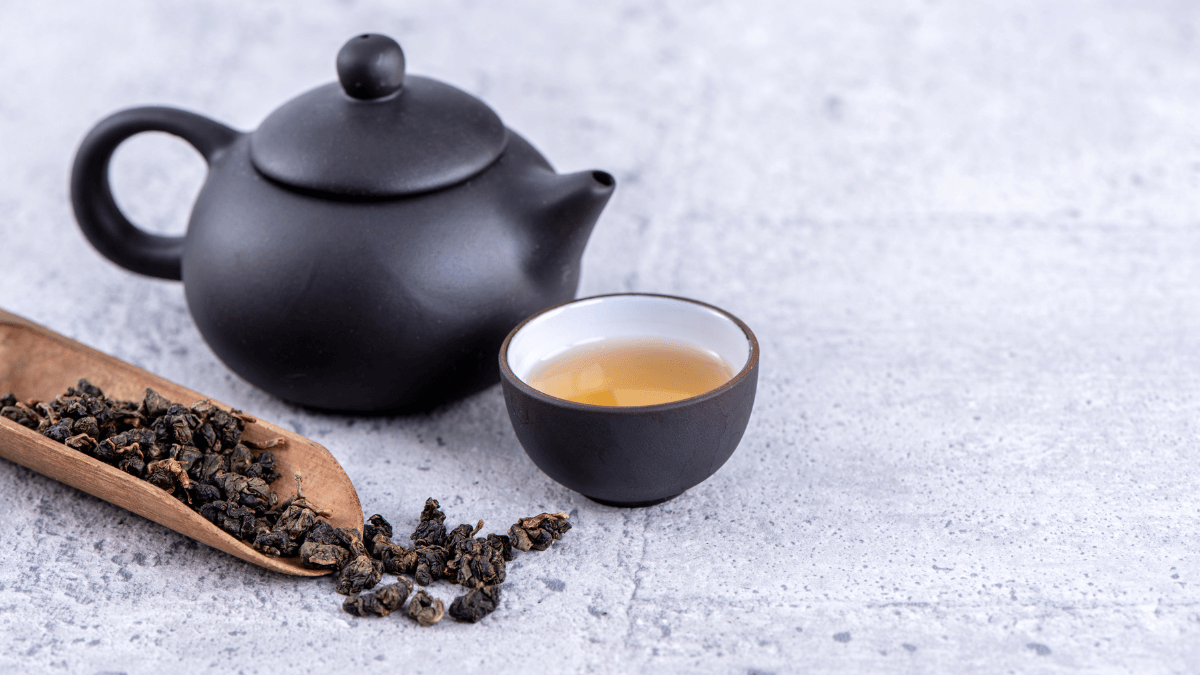
The Ritual That Transforms a Simple Brew
Imagine sitting in a serene Chinese tea house, the air fragrant with the earthy aroma of pu-erh. A tea master pours steaming water over tightly wound oolong leaves, only to discard the first infusion. To an outsider, this act might seem puzzling—why waste the very first brew? Yet, this fleeting step, known as xǐ chá (洗茶) or “tea rinsing,” is the heartbeat of Chinese tea culture. It’s a ritual that bridges centuries of tradition, science, and sensory artistry. In this deep dive, we’ll explore why rinsing tea is far more than a wash—it’s a key to unlocking flavor, history, and mindfulness in every cup.
Table of Contents
1: The Hidden Reasons Behind Tea Rinsing
Tea rinsing is often misunderstood as a mere hygiene step. But in China, it’s a deliberate practice rooted in both practicality and poetry. Let’s unravel the layers behind this ancient ritual.
1. Cleaning: More Than Just Dust
Tea leaves, especially aged or compressed varieties, carry whispers of their past. Pu-erh, for instance, ferments for decades in humid environments, absorbing subtle earthy notes, and occasional dust or microbes. A quick rinse sweeps away these impurities, ensuring the first sip is pure. Think of it as resetting the leaves, like washing fresh herbs before cooking.
Did you know? In rural Yunnan, pu-erh cakes were historically stored in bamboo husks or earthenware jars, making rinsing essential to remove lingering particles.
2. Awakening the Tea: A Sensory Rebirth
Tightly rolled oolong leaves resemble tiny green pearls, their flavors locked deep within. The first pour of hot water acts like a key, coaxing them to unfurl and release their hidden aromas. For compressed teas like pu-erh bricks, rinsing softens the leaves, allowing them to expand and “breathe.” This “awakening” ensures subsequent brews burst with vitality, like a flower blooming in fast motion.
A Tea Master’s Insight:
“Rinsing is the tea’s first breath after a long sleep. Without it, the leaves cannot sing.” — Li Wei, Fujian tea artisan.
3. Taming Bitterness, Honoring Nuance
Some teas arrive with rough edges. Roasted oolongs might initially taste smoky and harsh, while aged pu-erh can carry a musty tang from years of fermentation. A brief rinse mellows these sharp notes, much like seasoning a cast-iron skillet. For green teas, however, rinsing risks washing away their delicate, grassy sweetness—a reminder that not all teas are created equal.
4. Tradition: A Ceremony of Respect
In the Gongfu tea ceremony, rinsing is a meditative act. The discarded water is sometimes offered to “tea pets”—small clay figurines believed to bring good luck. This gesture symbolizes gratitude to the earth, the leaves, and the hands that cultivated them. It’s a moment to pause, reflect, and prepare both the tea and the drinker for what’s to come.

2: Which Teas Demand a Rinse? A Connoisseur’s Guide
Not all teas benefit from rinsing. Let’s explore which varieties thrive with this ritual—and which ones recoil.
Aged and Compressed Teas: Pu-erh, Hei Cha
These robust teas are the undisputed champions of rinsing. Pu-erh’s fermentation process creates complex, earthy flavors, but decades of aging can also leave a musty veneer. A 10-second rinse strips this away, revealing layers of damp forest, leather, and dark chocolate. Similarly, brick teas or “hua cha” (flower teas) require rinsing to soften their rock-hard form.
Pro Tip: For vintage pu-erh, some connoisseurs perform a double rinse to fully awaken the leaves.
Oolong: The Tightly Wound Poet
High-quality oolongs like Tieguanyin or Da Hong Pao are hand-rolled into tight curls to preserve their floral essence. A rinse initiates their gradual unfurling, releasing a crescendo of orchid, honey, and toasted almond across multiple infusions. Skipping this step is like reading a novel starting at Chapter 2—you’ll miss the story’s soul.
Black Tea: A Matter of Debate
Most black teas don’t require rinsing, but aged varieties like Liu Bao (a dark tea from Guangxi) or Yunnan’s fermented “hong cha” benefit from a quick pour to soften their boldness.
3: Teas That Shun the Rinse—Handle With Care
For delicate teas, rinsing is a flavor massacre.
Green and White Teas: Nature’s Delicate Whispers
Imagine the first spring pluck of Longjing (Dragon Well) green tea: tender buds bursting with fresh, grassy sweetness. A rinse would strip this nuance, leaving a hollow shell. Similarly, Bai Hao Yinzhen (Silver Needle), a white tea, thrives on its ethereal floral notes—water it down, and its magic evaporates.
Matcha: The Powder That Defies Rinsing
Japan’s vibrant matcha is stone-ground into a fine powder, meant to be fully consumed. Rinsing it would be like washing away the tea itself!
Here’s a concise summary table outlining which teas require rinsing (and why), based on the blog post:
| Tea Type | Rinsing Required? | Reasons for Rinsing |
|---|---|---|
| Aged/Compressed | ✅ Yes | Removes dust, microbes, and mustiness from aging/storage; softens tightly compressed leaves. |
| (Pu-erh, Hei Cha) | Awakens dormant flavors and prepares leaves for full infusion. | |
| Oolong (Tightly Rolled) | ✅ Yes | Unfurls tightly rolled leaves; reduces initial smokiness/bitterness in roasted varieties. |
| (Tieguanyin, Da Hong Pao) | Enhances floral or toasty notes in subsequent brews. | |
| Aged Black Tea | ✅ Optional | Softens boldness in fermented/aged black teas (e.g., Liu Bao). |
| Green Tea | ❌ No | Delicate flavors (grassy, floral) can be washed away; rinsing strips freshness. |
| White Tea | ❌ No | Subtle, nuanced notes (e.g., Silver Needle) are easily diluted; no need to rinse. |
| Matcha | ❌ No | Consumed as a powder; rinsing is impossible and unnecessary. |
Key Notes:
Aged/Compressed Teas: Double rinsing may be used for very old pu-erh to fully eliminate storage odors.
- Oolongs: Lightly roasted or floral oolongs (e.g., Tieguanyin) require shorter rinses (5–10 seconds).
- Black Tea: Most non-aged black teas (e.g., Assam, Darjeeling) do not need rinsing.
This table serves as a quick reference for tea enthusiasts aiming to optimize flavor and respect traditional preparation methods! 🍵
4: Tea Rinsing Around the World—A Global Perspective
While China perfected the rinse, other cultures dance to different rhythms.
- Japan: Matcha and sencha skip rinsing, but bancha (a rustic green tea) might get a quick dip to reduce bitterness.
- India: Chai’s bold spices and milk-heavy brew leave no room for rinsing—the leaves boil vigorously, embracing their raw power.
- Morocco: Mint tea is poured from a height to aerate it, but rinsing isn’t part of the ritual—the focus is on sweetness, not subtlety.
Yet, as specialty tea culture booms globally, rinsing has found new disciples. In Brooklyn and Berlin, pu-erh enthusiasts now swear by the ritual, proving tradition can transcend borders. As it grows globally, rinsing has found fans among Western tea enthusiasts exploring aged pu-erh or artisanal oolongs.
5: Masterclass—How to Rinse Tea Like a Pro
Ready to try? Here’s your step-by-step guide to the perfect rinse.
- Warm Your Vessel: Preheat your gaiwan or teapot with hot water. Discard the water—this stabilizes the temperature.
- Measure the Leaves: Use 3–5 grams of tea per 150ml. For pu-erh, gently pry apart the compressed leaves.
- The First Pour:
- Water Temp: Near-boiling (95°C/203°F) for aged teas; slightly cooler (85°C/185°F) for oolongs.
- Timing: 5–30 seconds. Watch the leaves loosen and “bloom.”
- Discard: Toss the rinse water (or feed it to a tea pet!).
- Savor the Aroma: Before brewing, inhale the steam—this “dry scent” hints at the tea’s true character.
Common Mistake: Over-rinsing green tea. Even 5 seconds can steal its delicate flavor!
Conclusion: The First Pour You’ll Never Forget
Rinsing tea is more than a step—it’s a philosophy. It teaches us to slow down, honor the journey of the leaves, and to find beauty in preparation. Whether you’re sipping a 20-year-old pu-erh or a floral oolong, this ritual transforms tea from a mundane drink into a dialogue with history, nature, and self.
So next time you brew, dare to discard that first pour. You’re not wasting tea—you’re unlocking a hidden world of flavor, one steep at a time.
“The tea rinse is the curtain rising before the play begins. Without it, the drama remains unseen.” — Ancient Chinese proverb.
Related Post: