
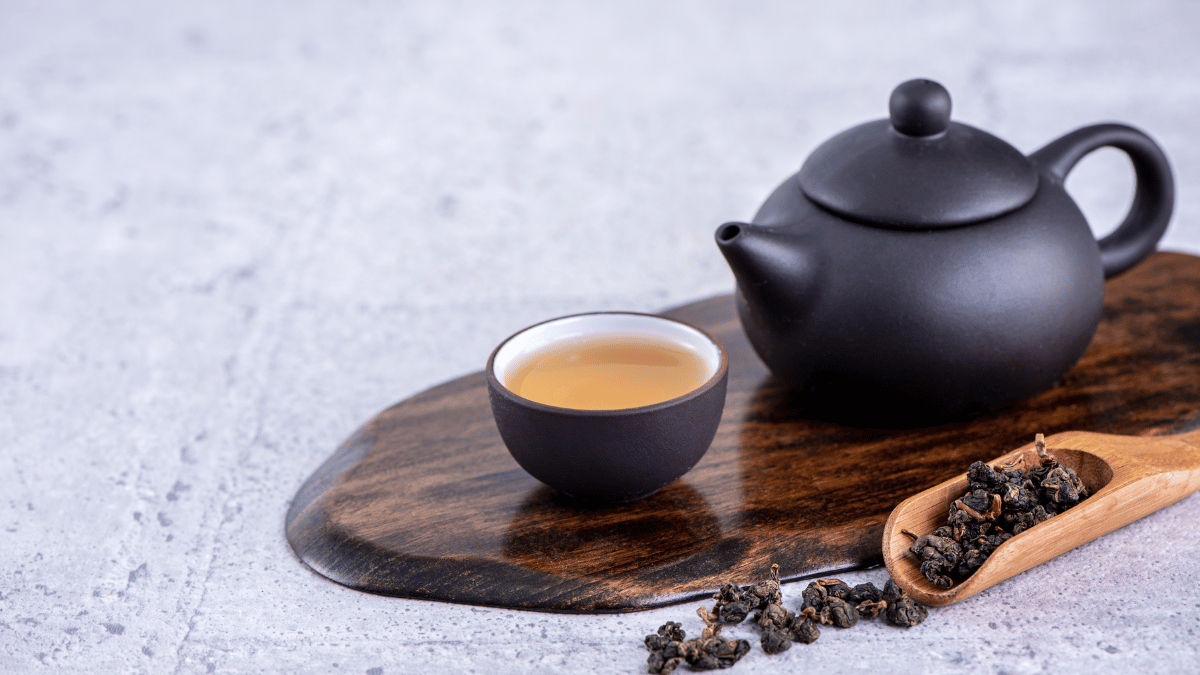
Oolong tea is more than just a delicious drink—it’s a treasure trove of health benefits waiting to be discovered. This traditional tea, originating in China, sits perfectly between green and black tea, offering a unique balance of rich flavor and impressive nutritional value. From boosting metabolism to improving heart health, oolong tea is packed with wellness advantages. In this guide, we’ll explore 20 compelling health benefits of oolong tea, show you how to brew it perfectly, and explain why you should add this amazing tea to your daily routine today.
Table of Contents
What Is Oolong Tea?
Oolong tea is crafted from the leaves of the Camellia sinensis plant—the same plant that gives us green, black, and white teas. However, what sets oolong apart is its unique oxidation process, which ranges from 8% to 80%, placing it in between the fresh, unoxidized green tea and the fully oxidized black tea. This partial oxidation unlocks a wide array of flavors, from light and floral to rich and roasted, making oolong one of the most versatile and intricately crafted teas. It’s often compared to fine wine due to its complex taste profiles, which can evolve with each brew.
A Dragon in Your Cup
The name “Oolong” (or Wulong, meaning “Black Dragon” in Chinese) is thought to be inspired by the dark, curled shape of its leaves, which resemble the mythical serpent. According to legend, a tea farmer once fled from a black dragon while harvesting his leaves, only to return and discover that they had naturally oxidized into a flavorful tea. Whether this tale is fact or fiction, the mystical air surrounding oolong tea certainly adds to its charm and mystique.
From China’s Misty Peaks to Taiwan’s Forested Hills
Oolong tea thrives in specific climates, particularly in the misty, high-altitude regions of Fujian, China, and Taiwan. These cool, fog-laden environments provide perfect conditions for cultivating tea leaves with rich, nuanced flavors. In China, darker oolongs like Da Hong Pao (Big Red Robe) are known for their earthy, mineral-rich notes, thanks to the rugged terrain they grow in. In Taiwan, lighter varieties such as Baozhong or Alishan Oolong are celebrated for their delicate floral and buttery notes, with the mountainous landscape imparting a distinct freshness.
Some oolong teas are even handpicked in bamboo forests, ensuring that only the finest leaves are selected. The level of care and craftsmanship involved in producing oolong tea is so respected that competitions are held across Asia, where experts evaluate everything from the aroma and flavor to the shape of the leaves.

Oolong Tea: 20 Health Benefits Backed By Science
Oolong tea is more than just a flavorful beverage—it’s a health-boosting elixir packed with numerous benefits. Originating in China, oolong tea sits somewhere between green and black tea, offering a harmonious blend of flavors and health benefits. Below are 20 science-backed reasons why adding oolong tea to your daily routine could be one of the healthiest decisions you make.
1. Rich in Powerful Antioxidants
Oolong tea is rich in polyphenols such as theaflavins, thearubigins, and EGCG, which are known for their potent antioxidant effects. These compounds help neutralize free radicals in the body, protecting cells from oxidative stress and potentially lowering the risk of chronic diseases like cancer and heart disease.
2. Promotes Heart Health
Regular consumption of oolong tea can have a positive impact on heart health. A large-scale study in Japan revealed that men who drank at least 240 ml of oolong tea daily had a significantly lower risk of heart disease. Oolong’s polyphenols help reduce LDL cholesterol, enhance blood circulation, and help maintain healthy blood pressure levels.
3. Supports Healthy Weight Management
Looking to manage your weight? Oolong tea may help! The combination of caffeine and antioxidants in oolong boosts metabolism and increases fat burning, making it an excellent choice for those aiming to control their weight or prevent obesity.
4. Enhances Cognitive Function
Oolong tea is a natural brain booster. The combination of caffeine and L-theanine in oolong works together to improve mental alertness, focus, and mood. This unique blend provides a smoother energy boost compared to coffee, enhancing cognitive performance without the jitters.
5. May Help Prevent Cancer
While further research is needed, preliminary studies indicate that the antioxidants in oolong tea may help slow the development of cancer cells. Its polyphenols might also play a role in reducing the risk of specific types of cancer, including breast and ovarian cancer.
6. Strengthens Bones and Teeth
Oolong tea can help maintain bone and dental health. Long-term consumption of oolong has been associated with improved bone mineral density, lowering the risk of osteoporosis. Moreover, the fluoride in oolong can help protect teeth by preventing cavities and strengthening enamel.
7. Supports Healthy Skin
Oolong tea’s antioxidant and anti-inflammatory properties may help treat skin conditions like eczema. Drinking oolong regularly has been shown to improve skin health by reducing redness and irritation and promoting a more youthful complexion by combating signs of aging.
8. Aids in Blood Sugar Regulation
Oolong tea may help regulate blood sugar levels by enhancing insulin sensitivity. Some studies suggest that people with type 2 diabetes who regularly drink oolong tea experience a reduction in their blood glucose levels, though more research is needed for definitive conclusions.
9. Promotes Digestive Health
The mild caffeine in oolong tea stimulates gastric secretions and improves digestion. Additionally, the polyphenols in oolong can help reduce inflammation in the gut and encourage the growth of healthy gut bacteria, promoting better digestive function.
10. Improves Skin Health and Radiance
Oolong tea’s antioxidants can help reduce oxidative stress and improve skin appearance. By protecting against skin damage and preventing premature aging it can give your complexion a glowing, youthful look.
11. Boosts Mental Alertness
Need a focused boost without the energy crash? Oolong tea provides sustained mental clarity, thanks to the synergy of caffeine and L-theanine. This combination enhances focus while promoting a calm, balanced mindset—ideal for productivity.
12. Strengthens the Immune System
The antioxidants in oolong tea can enhance immune function, helping your body fight off infections and illnesses. Drinking oolong regularly may improve your body’s defense mechanisms, making it more resilient to common pathogens.
13. Supports Longevity
Oolong tea is linked to a longer, healthier life. Studies in tea-drinking populations suggest that regular tea consumption can help lower mortality rates, improve quality of life, and promote a longer, healthier lifespan.
14. Reduces Stress and Anxiety
The amino acid L-theanine in oolong tea promotes relaxation and can help reduce stress levels. By lowering cortisol, the body’s stress hormone, oolong may be effective in reducing anxiety, especially when consumed in a peaceful setting.
15. Supports Liver Health
Emerging studies suggest that the antioxidants in oolong tea may help protect the liver from damage caused by toxins or fatty buildup. Oolong may also improve liver enzyme levels and potentially reduce the risk of non-alcoholic fatty liver disease (NAFLD).
16. Helps Reduce Allergies
Oolong tea has anti-inflammatory properties that may help alleviate allergic reactions. Research indicates that it may reduce the production of histamines, the chemicals responsible for symptoms like itchy skin and hay fever.
17. Balances Hormones (Especially for Women)
Regular consumption of oolong tea may help balance estrogen levels, making it beneficial for women experiencing PMS or menopause. The antioxidants may also contribute to maintaining thyroid health.
18. Promotes Hair Health
Oolong tea’s antioxidants and trace minerals can help improve hair strength and reduce hair fall. Some people even use oolong tea as a rinse to combat dandruff and promote healthier, shinier hair.
19. Improves Metabolism Beyond Weight Loss
Oolong tea doesn’t just support fat burning; it also enhances overall metabolism. Drinking oolong can help improve lipid profiles by lowering triglycerides and optimizing carbohydrate digestion, leading to sustained energy levels throughout the day.
20. Freshens Breath and Protects Oral Health
Oolong tea’s antibacterial properties can help combat bad breath and reduce harmful bacteria in the mouth. It has also been shown to suppress the growth of Streptococcus mutans, bacteria linked to cavities and gum disease.

How to Brew Oolong Tea
Brewing oolong tea is simple and rewarding. Use 1–2 teaspoons of loose-leaf oolong tea per cup. Heat water to 85–95°C (185–203°F)—just below boiling. Pour the hot water over the leaves and steep for 3–5 minutes, depending on how strong you like your tea. For rolled or ball-style oolong, use slightly hotter water and a longer steep time. You can re-steep the same leaves 2–3 times, with each infusion offering a new layer of flavor. Avoid over-steeping to prevent bitterness, and enjoy your tea plain to savor its natural taste.
🌿 Cold Brew Method (Refreshing & Smooth)
Perfect for hot days or iced tea lovers.
- Add 1 tablespoon of loose leaf oolong tea into a pitcher (use a tea bag or infuser if you prefer).
- Pour 1 liter (4 cups) of cold, filtered water over the leaves.
- Cover and refrigerate for 8–12 hours (overnight works best).
- Strain the tea and enjoy it cold! You can add lemon slices or mint for extra flavor.
✅ Cold brew oolong is less bitter and naturally sweet, with a smooth finish.
🍵 Step-by-Step Guide (Visual Style)
1️⃣ Measure your tea
→ Use 1–2 teaspoons of loose leaf oolong per 250 ml (1 cup) of water.
2️⃣ Heat your water
→ Bring water to 85–95°C (185–203°F). Avoid boiling to preserve flavor.
3️⃣ Rinse the leaves (optional)
→ Pour hot water over the leaves and discard after 5 seconds to “wake” the tea.
4️⃣ Steep
→ Let it steep for 3–5 minutes, depending on your taste.
→ Re-steep up to 3 times, adding 30–60 seconds with each infusion.
5️⃣ Serve
→ Pour and enjoy plain or with honey—no milk needed!
This table summarizes the basic facts about various Oolong teas, including their origin, flavor profiles, oxidation levels, and brewing instructions
| Type of Oolong Tea | Origin | Flavor Profile | Oxidation Level | Best Brewing Temperature | Brewing Time | Unique Characteristics |
|---|---|---|---|---|---|---|
| Tie Guan Yin (Iron Goddess of Mercy) | China (Anxi, Fujian) | Floral, creamy, slightly sweet with a hint of orchid | Light to Medium (30-40%) | 185-205°F (85-96°C) | 3-5 minutes | Well-known for its delicate floral aroma and smooth texture. |
| Da Hong Pao (Big Red Robe) | China (Wuyi Mountains, Fujian) | Rich, roasted, and slightly woody with a honeyed finish | Medium to High (40-60%) | 190-205°F (88-96°C) | 4-6 minutes | Famous for its bold taste and history, one of the finest Oolong varieties. |
| High Mountain Oolong (Gao Shan) | Taiwan (Central Mountain Range) | Light, floral, sweet, and refreshing | Light (10-30%) | 175-185°F (80-85°C) | 2-4 minutes | Grown at high altitudes, known for its clean, fresh flavor and aroma. |
| Oriental Beauty (Dong Fang Mei Ren) | Taiwan (Northern Taiwan) | Honey-sweet, fruity, floral with a touch of spice | Medium (30-50%) | 190-200°F (88-93°C) | 3-5 minutes | Known for its natural sweetness due to leaves being partially bitten by insects. |
| Milk Oolong (Chao Shi) | Taiwan (Various regions) | Creamy, buttery, sweet, with a floral undertone | Light to Medium (20-40%) | 185°F (85°C) | 2-4 minutes | Characterized by a natural milky flavor from the tea leaves. |
| Wuyi Rock Oolong | China (Wuyi Mountains, Fujian) | Smoky, rich, and roasted with a mineral note | High (50-70%) | 200-205°F (93-96°C) | 4-6 minutes | Known for its unique rocky taste and complex profile. |
| Jin Xuan (Golden Lily) | Taiwan (Various regions) | Smooth, floral, buttery, and slightly sweet | Light to Medium (20-40%) | 185°F (85°C) | 3-5 minutes | Often referred to as “milk oolong” because of its creamy texture. |
| Phoenix Dan Cong | China (Guangdong Province) | Complex, floral, fruity, with honey and orchid notes | Medium to High (40-70%) | 190-200°F (88-93°C) | 3-5 minutes | Known for its variety of flavors, each with distinct profiles depending on the specific cultivar. |
| Bao Zhong (Pouchong) | Taiwan (Northern Taiwan) | Light, floral, sweet, with a slightly grassy flavor | Light (10-20%) | 180-190°F (82-88°C) | 2-3 minutes | Often called “green oolong,” with a delicate, greenish taste and aroma. |
Final Thoughts
Oolong tea isn’t just a delicious beverage—it’s a holistic health enhancer. From improving heart and brain function to supporting skin, bone, and immune health, oolong tea provides a diverse range of benefits grounded in scientific research. Enjoy it hot or cold, in the morning or afternoon, but always in moderation. And as with any dietary change, consult your healthcare provider if you have underlying health conditions or concerns.
⚠️ Medical Disclaimer
The information provided in this blog is for general educational and informational purposes only and is not intended as medical advice. While oolong tea may offer various potential health benefits, individual reactions and health conditions can vary. Always consult with your doctor or a qualified healthcare professional before making any changes to your diet, especially if you are pregnant, nursing, taking medications, or have a medical condition.
Do not use oolong tea or any other natural remedy as a substitute for professional medical treatment or diagnosis.
Sources:
https://www.healthline.com/nutrition/oolong-tea-benefits#diabetes-protection
Related Post: