
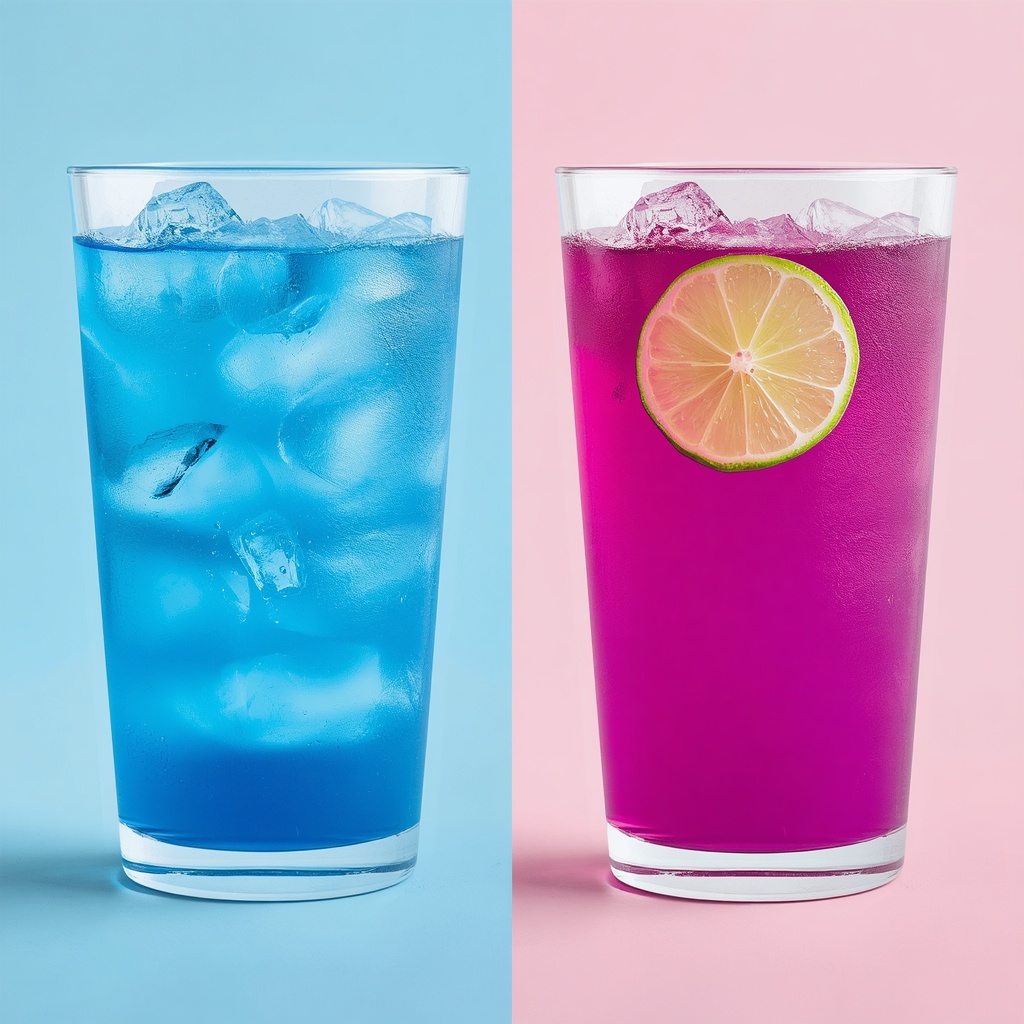
Every now and then, the culinary world uncovers a botanical gem that completely alters how we look at our food and drink. Right now, that spotlight belongs to butterfly pea flower (Clitoria ternatea). Go to any modern tea shop, craft cocktail bar, or wellness feed, and you are bound to see drinks boasting an intense, supernatural cobalt blue hue that turns a deep, royal purple with a splash of fresh citrus.
But while its theatrical, shape-shifting nature has earned it modern internet fame, this remarkable flower is far from a temporary gimmick.
For centuries, butterfly pea flower has been woven into Southeast Asian culture as a medicinal herb, a culinary staple, and a natural textile dye. It bridges the gap between historical holistic medicine and modern food art.
Whether you are looking to boost your cellular wellness, spice up your home bartending skills, or understand the fascinating science behind this natural mood ring, this is your complete manual to the benefits, uses, and best recipes for butterfly pea flower.

What is Butterfly Pea Flower?
Native to the warm, tropical climates of Southeast Asia, butterfly pea flower is a striking, climbing vine belonging to the pea family. It produces delicate, trumpet-like blossoms of an incredibly rich indigo-blue.
Historically, communities in Thailand, Vietnam, Malaysia, and Bali have harvested these blossoms by hand, sun-drying them to preserve their vivid pigments. The resulting herbal infusion is completely caffeine-free, presenting a very mild, clean, and earthy flavor profile that is highly adaptable to both sweet and savory applications.
The Science of the Shift: Why It Changes Color
To appreciate this plant, you have to understand the natural chemistry happening inside your cup. The intense blue pigment is driven by a high concentration of anthocyanins—the exact same class of powerful antioxidants that give blueberries, dark grapes, and purple sweet potatoes their rich hues.
These specific anthocyanins are incredibly sensitive to changes in acidity (pH levels).
When you steep the dried petals in neutral water (pH ~7), you get a pure, deep sapphire blue. But when you alter the liquid’s chemical environment, a visual chain reaction occurs:
- Drop the pH (Add Acids): Introducing citrus juices like lemon or lime drops the pH level. The acid alters the structural bonds of the pigments, instantly transforming the liquid into a gorgeous royal purple or brilliant violet.
- Raise the pH (Add Alkalines): If you introduce an alkaline ingredient—such as a tiny pinch of baking soda—the pH rises, shifting the color matrix into a subtle, earthy green.

3 Core Health Benefits of the Blue Botanical
Beyond its obvious visual charm, butterfly pea flower contains an impressive array of bioactive compounds that support a healthy lifestyle.
1. Elite Antioxidant Defense
The anthocyanins responsible for the tea’s color are incredibly potent antioxidants. They protect the body from oxidative stress by scavenging free radicals—unstable molecules that damage healthy cells and accelerate chronic inflammation and aging. Drinking the tea provides systemic defense against everyday environmental stressors.
2. Natural Skin and Hair Support
Butterfly pea flower has earned a valued position in the “beauty-from-within” wellness sector. The flavonoids found within the petals help stimulate the natural synthesis of collagen and elastin, the critical structural proteins that keep skin looking plump, firm, and youthful. Furthermore, it contains bioflavonoids that increase microcirculation to hair follicles, promoting stronger, healthier hair growth.
3. Stress Relief and Brain Optimization
In traditional Ayurvedic medicine, the flower is classified as a Medhya Rasayana—a rejuvenating herb that sharpens memory and cognitive function. Studies suggest that the plant can help regulate acetylcholine levels, an essential neurotransmitter for focus and memory. Simultaneously, it serves as a gentle adaptogen, helping to soothe the nervous system and manage minor daily anxiety.
Creative Culinary Uses: Beyond the Teacup
While brewing a simple cup of hot blue tea is a lovely ritual, the kitchen applications for this plant stretch far wider:
- Natural Food Dye: You can use a highly concentrated brew of the tea to color white rice (a staple technique in the Malaysian dish Nasi Kerabu), pasta dough, puddings, agar jellies, and frostings without using artificial chemicals or affecting the flavor.
- Ice Art: Freeze the blue tea into ice cubes. As they melt in a glass of traditional lemonade or a clear cocktail, they slowly release their pigment, creating a slow-motion, color-changing gradient.
- Creative Baking: Use the ground flower powder to make striking blue sourdough bread, pancakes, or sugar cookies that turn purple if you glaze them with a lemon-juice icing.
Master the Recipes: 2 Stunning Drinks to Make at Home
Ready to experiment? Here are two foolproof, highly visual recipes to bring the magic of the butterfly pea flower into your kitchen.
Recipe 1: The Galactic Layered Mocktail
This drink uses sugar density to create distinct, beautiful color bands that sit perfectly on top of one another.
- Step 1: Steep 1 tablespoon of dried flowers in 1/2 cup of hot water for 8 minutes to make a strong blue concentrate. Let it cool completely.
- Step 2: In a tall glass, pour 2 tablespoons of simple syrup or honey at the very bottom.
- Step 3: Pack the glass tightly to the top with crushed ice.
- Step 4: Slowly pour 3 ounces of fresh, tart lemonade directly over the ice. The heavy sugar syrup at the bottom will stay separate from the acidic lemon juice layer.
- Step 5: Gently float your cooled blue tea right on top using the back of a spoon. You will instantly get a striking multi-colored drink: a clear bottom layer, a purple middle layer (where the lemon meets the blue tea), and an electric blue top layer!
Recipe 2: The Velvet Blue Vanilla Iced Latte
A soothing, completely caffeine-free evening alternative to a traditional iced latte.
- Step 1: Steep 1 tablespoon of dried flowers in 1/3 cup of hot water for 7 minutes. Strain and mix in 1 tablespoon of pure maple syrup and a dash of vanilla extract.
- Step 2: Fill a glass with large ice cubes and pour in 3/4 cup of your favorite creamy milk (oat milk works beautifully here).
- Step 3: Slowly pour the sweetened blue tea directly over the iced milk. The blue indigo layers will slowly ribbon downward into the white milk, creating a gorgeous, cloudy marble effect.
Related Post: