
Tag: Chinese tea
-
How Modern Pu-erh Tea Is Made: A Guide to Yunnan’s Most Prized Drink
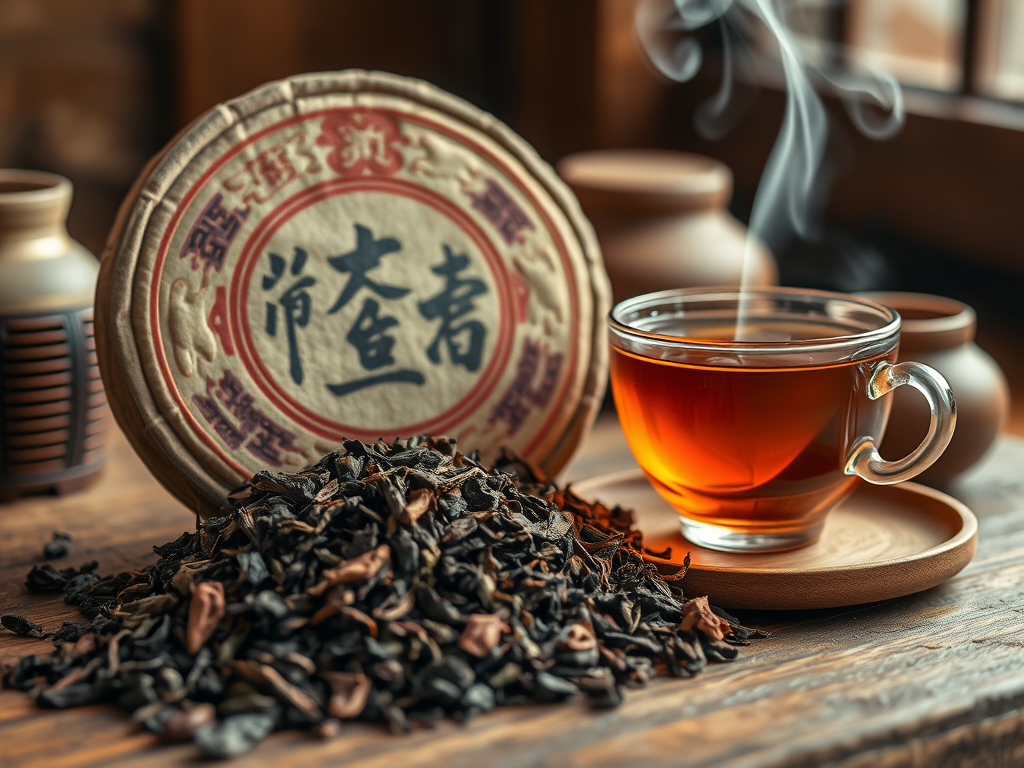
Pu-erh tea is no ordinary brew. From handpicked ancient trees to detailed fermentation methods, explore how modern Pu-erh is crafted in the heart of Yunnan. Read more
-
Best Gaiwans for Beginners: How to Choose the Right One and Start Brewing Like a Pro

New to gongfu tea? Overwhelmed by choices? This guide breaks down everything beginners need to know: from porcelain vs. clay gaiwans to ideal sizes and trusted brands. Start brewing authentic Chinese tea with confidence! Read more
-
The Truth About Long Jing Tea: Wellness, Flavor & Side Effects
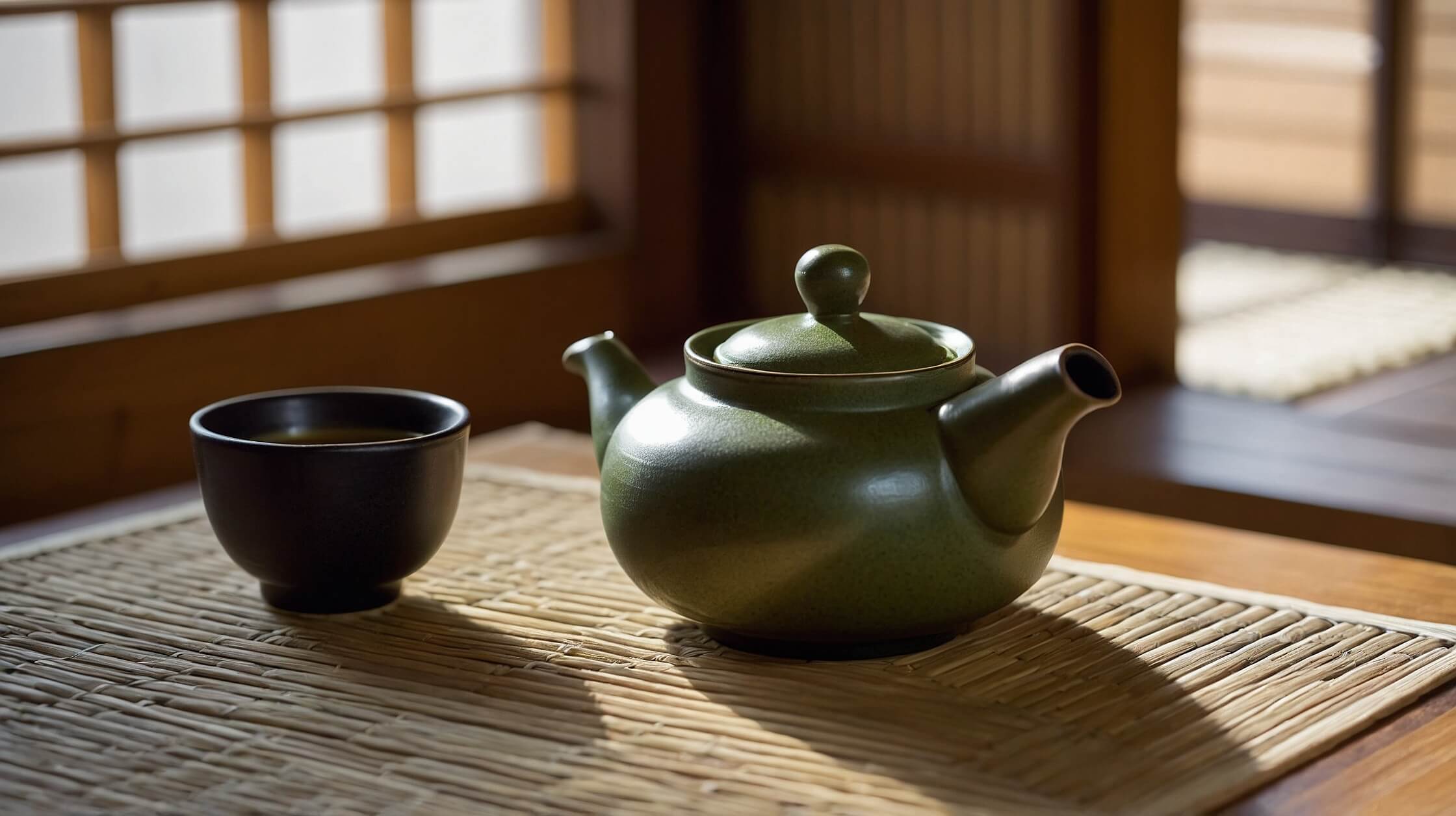
Long Jing, or Dragon Well tea, is more than just a prized Chinese green tea—it’s a health-boosting elixir packed with antioxidants, heart-supporting compounds, and stress-reducing amino acids. In this guide, learn its many health benefits, brewing tips, and possible side effects. Read more
-
Pu-erh Tea: The Ancient Brew That Gets Better With Age – A Complete Guide
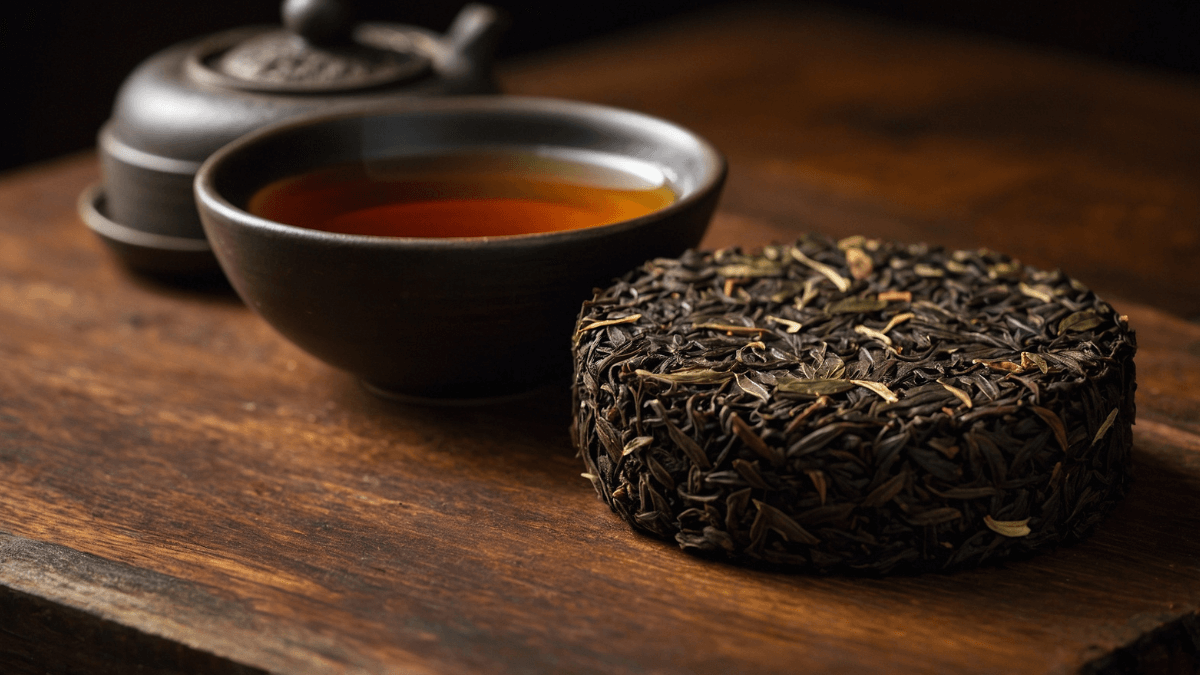
Imagine a tea that evolves like fine wine, deepening in flavor and value as the years pass. Pu-erh tea (普洱茶), hailing from Yunnan, China, is one of the world’s most enigmatic brews—a fermented marvel cherished for its earthy richness, cultural heritage, and remarkable aging potential. Whether you’re a tea novice or a seasoned sipper, this… Read more
-
Oolong Tea: 20 Health Benefits, How to Brew It, and Why You Should Try It Today
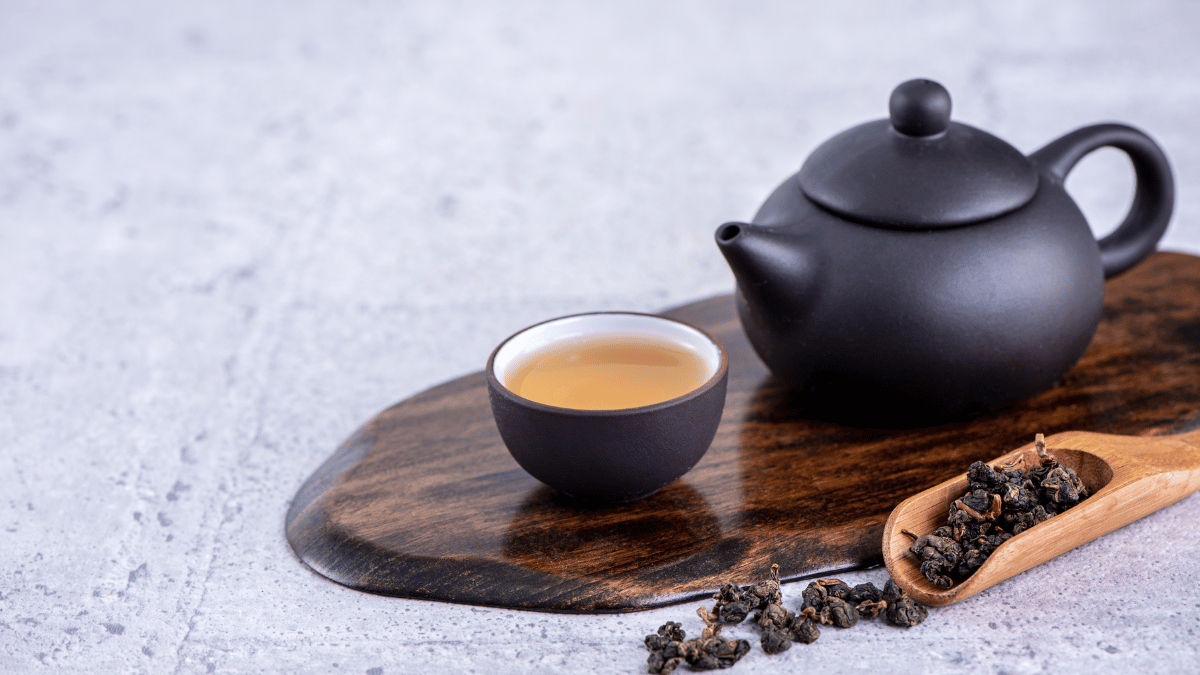
Oolong tea comes from the Camellia sinensis plant—the same plant responsible for black, green, and white teas. What sets it apart is the level of oxidation, which ranges from 8% to 80%, placing Oolong between green (unoxidized) and black (fully oxidized) tea. Read more
-
Japanese vs Chinese green tea: The Ultimate Guide to Japanese and Chinese Green Tea Differences
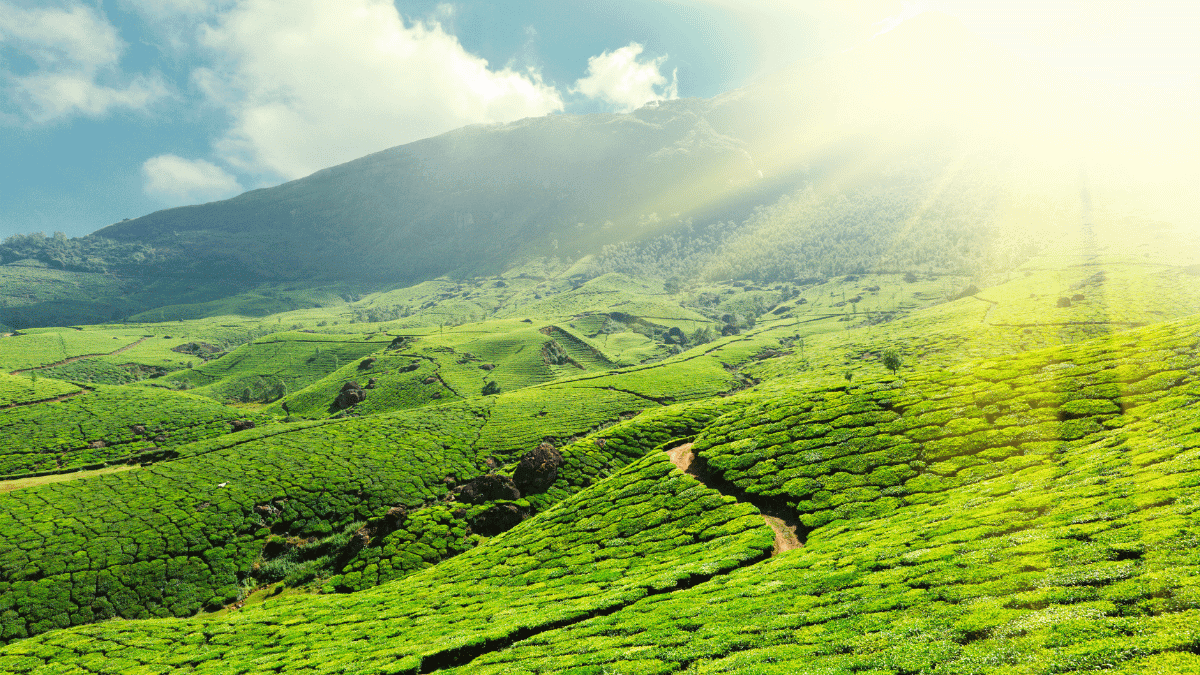
Chinese Tea vs Japanese Tea Read more
-
Yellow Tea (Lightly Oxidized) – China’s Rare, Stomach-Soothing Treasure
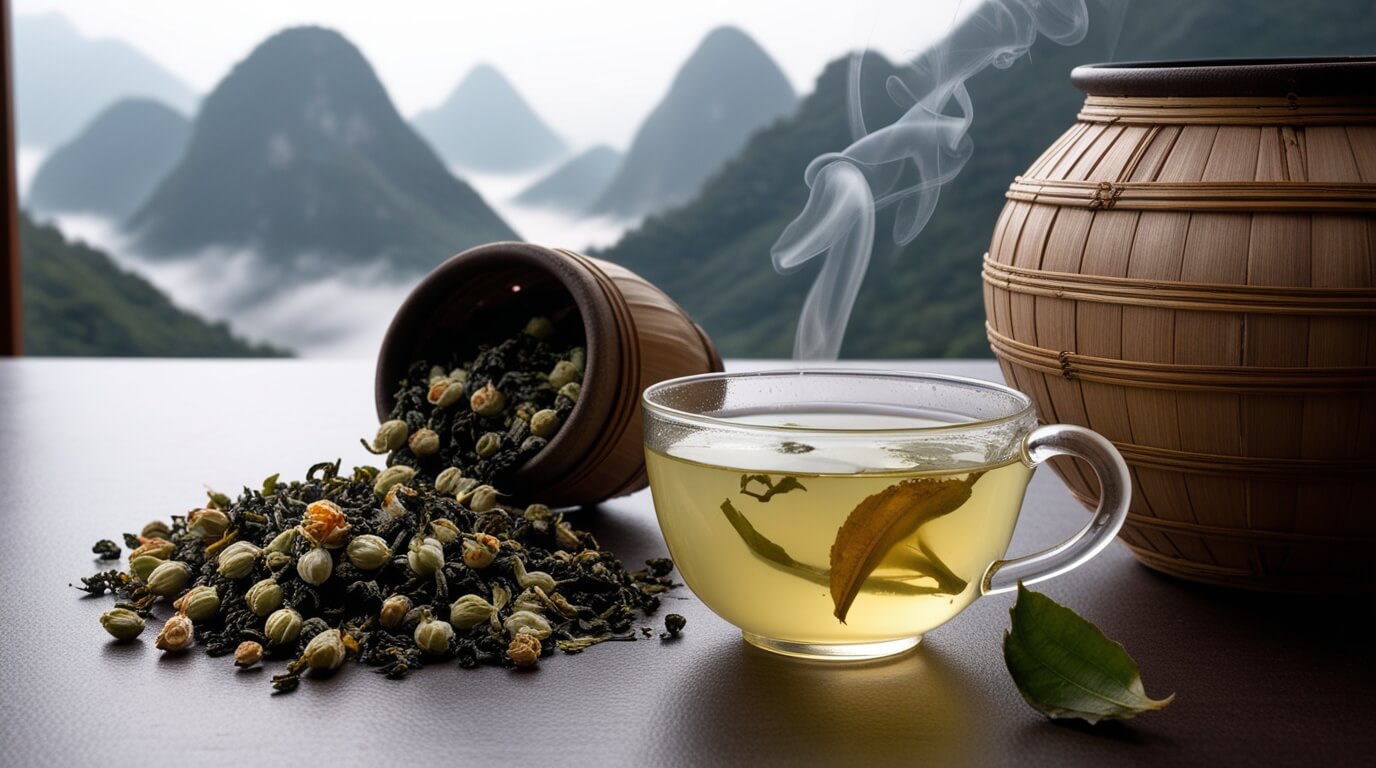
Prized for centuries yet often overshadowed, yellow tea is rarer than most Chinese teas, with only a few legendary varieties—like the dancing buds of Junshan Yinzhen or Huoshan Huangya’s floral, pan-fired leaves—remaining in production. Read more